


There is something special about seeing Dr. Martin Luther King Jr. Day in Annapolis, Maryland. The city, which is full of history, comes to life in the middle of winter with events that show how far civil rights have come. Annapolis has a rich history and has been a cultural and political hub.
The city changes on this day as people come together to remember and respect Dr. King’s life and work. The city’s brick streets, colonial structures, and rich African American history remind us of the ongoing fight for equality and justice. Annapolis brings Dr. King’s ideas to life through ceremonies, thoughts, and lively parades. These events make people think about how far we have come and how far we still need to go.
The celebration of Dr. Martin Luther King Jr. Day in Annapolis has a great significance. One important idea behind this holiday is that it is not just a day off from work or school, but also a “day on” for doing good things in the community.
This way of thinking supports Dr. King’s belief in the power of working together for social good by encouraging people to spend their time helping others. Local Annapolis residents participate for neighborhood clean-ups and charity work, demonstrating the day’s genuine spirit of unity and giving back.
Annapolis celebrates Dr. Martin Luther King Jr. with a parade, educational displays, and community service events that show the city’s rich African American past. These events are a powerful reminder of how Dr. King’s ideas about justice and equality are still relevant today. They have inspired people in the city to honor his memory through action and thought.
Let’s explore fun things to do in Annapolis’s Dr. Martin Luther King Jr. Day with Zavros Place!

The Annual MLK Parade & African Diaspora Festival
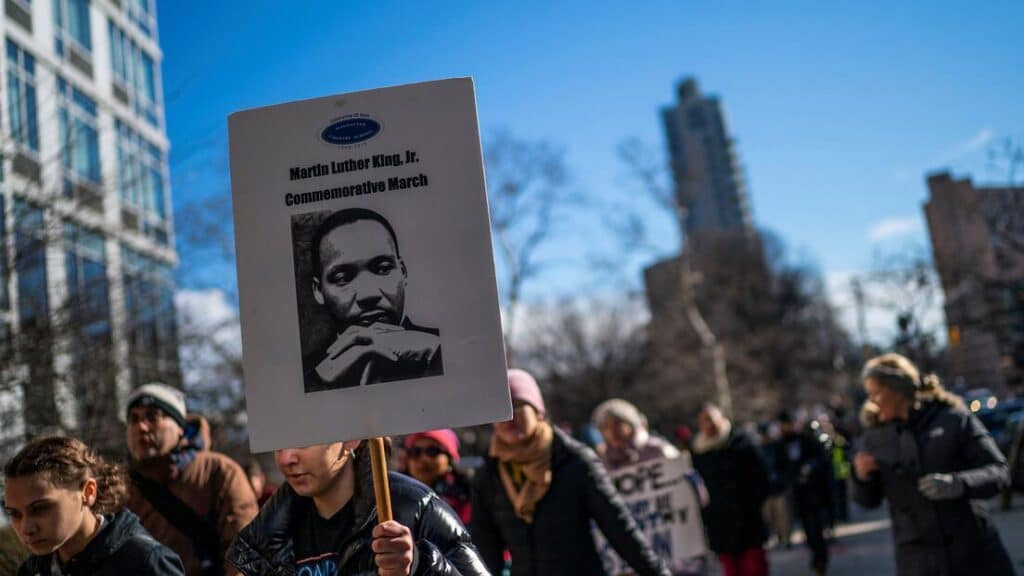
The most important thing about Dr. Martin Luther King Jr. Day in Annapolis is the time for the yearly parade and the African Diaspora Festival that follows. People all over the city come together to celebrate African American history and the ongoing fight for civil rights through this tradition, which is a live memorial.
History & Evolution
- Importance: Annapolis has one of the largest and oldest Martin Luther King Jr. parades in Chesapeake Bay. People come from all over Maryland to celebrate Dr. King’s “I Have a Dream” speech through music, dance, and community involvement.
- A Note on Timing: The parade usually happens in January, but in recent years it has sometimes moved to the spring months (April or May) to avoid bad winter weather and get more people in the community to participate. The Museum of Historic Annapolis and other local groups will hold MLK Day events on Monday, January 19, 2026, which is the official holiday. People who want to see the bigger street parade should check the city’s official schedule closer to the event.
The Parade Route
There is a significant path that the parade takes through the heart of the “Ancient City”:
- Where it starts: The parade usually starts at 11 a.m. from where West Street and Amos Garrett Boulevard meet.
- The “Clockwise” Tradition: As a unique local tradition, the parade goes around Church Circle counterclockwise, going against the normal flow of traffic so that people in the historic area can see it better.
- The last stretch: runners should turn left onto Northwest Street and then right onto Calvert Street.
The route ends at People’s Park, which is at the corner of Calvert and Clay Streets. This is where the mood changes from a procession to a community festival.
Key Participants
The parade is a lively show of local talent and pride in the community, with:
- Marching bands: these are high school and college bands, like the famous Annapolis Drum & Bugle Corps.
- Step Teams and Dance Groups: These are local youth groups that do complicated dance moves and choreography.
- Civic Leaders: The Grand Marshals, who are usually local organizers or teachers, lead the way along with the NAACP and other social justice groups.
The African Diaspora Festival at People’s Park
The party goes on at People’s Park and along Calvert Street after the parade until early evening.
- Vendor Spotlights: There are a lot of vendors selling a wide range of goods at the festival, with a lot of them being Black-owned companies. Unique art and jewelry made by hand are just a few of the things that people can find.
- Culinary Heritage: One of the best things about the area is the soul food, which includes classics like Chesapeake-style seafood, slow-cooked veggies, and traditional barbecue.
- Live Performances: Gospel choirs, spoken word artists reading Dr. King’s words, and other cultural acts from across the African Diaspora are still performing on the festival stage.
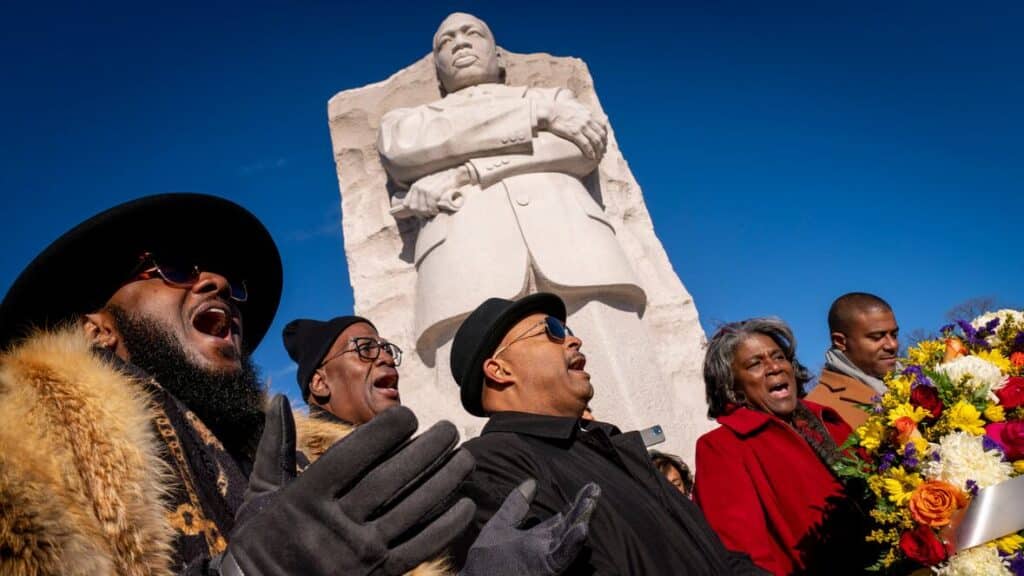
Community Honors: The MLK Memorial Breakfast
Dr. Martin Luther King Jr. Memorial Breakfast is a place for deep reflection and the official recognition of local leaders. The parade is a public show of celebration. In its 45th year, this esteemed event has become one of Maryland’s largest, uniting the community through faith, service, and civic involvement on MLK Day.
The Tradition: A Multi-Generational Gathering
- The atmosphere: The breakfast is a real “meeting of the minds” where politicians, pastors, teachers, and residents of the area come together to recommit to Dr. King’s vision.
- Fundraising for Impact: The event is not just a meal; it is also often a key way to raise money for community places like youth programs or community centers. This supports the idea of real community support.
- Youth Involvement: The tradition includes the next generation through Gospel choir performances and student writings.
The Awards: Honoring Modern-Day Peacemakers
Several high-profile awards are given out at the breakfast to celebrate people who are living “The Dream” through action:
- Peacemaker Awards: Honor local individuals and groups dedicated to non-violence, social justice, and developing a “loving community” in Anne Arundel County.
- The Essence of Humanity and Humanitarian Awards: These awards recognize people who have gone above and beyond in their efforts to make the world a better place.
- Scholarships for Anne Arundel County Youth: The group gives several MLK Memorial Scholarships to high school seniors to help them become future leaders.
- Selected recipients commit to human rights, civil rights, and social justice activism in their schools or neighborhoods.
- Scholarship values vary, but often range from $1,000 to multi-year awards for students studying social work, criminal justice, or political science.
Keynote Themes: A Roadmap for the Present
At the breakfast every year, a well-known main speaker, often a historian, theologian, or civil rights veteran, talks about the problems we face now. Some of the most common topics talked about in the Annapolis circuit are:
- Discussing legislative success and the remaining problems in the fight for fairness in Maryland is part of the social justice topic.
- Closing the Wealth Gap means addressing economic inequality and the “hard past” that has led to today’s systemic injustices.
- Educational equity means giving all kids, no matter where they live, the tools they need to do well in school.
“The Dream Demands More” is a call that keeps coming up to go beyond words and into “spiritual resistance” and community-centered leadership.
Educational Opportunities & Museum Events
Dr. King’s impact is not only talked about in speeches in Annapolis; it is also a big part of the city’s schools. Many museums and monuments in Maryland’s capital city offer immersive experiences that link his work on a national level to the civil rights battles that happened in that city.
Museum of Historic Annapolis (99 Main Street)
This museum is the place to be on Martin Luther King Jr. Day because it has events planned for the day starting at 11:00 a.m. to 3:00 p.m.
- The “Race and Rights” Guided Tour is a 50-minute event led by historians that looks at how important African American community leaders were in Annapolis. It talks about important court cases and laws that changed the way the city tried to be fair.
- Exhibits for Reflection: Annapolis: An American Story offers a 400-year history of enslaved and free African Americans’ experiences.
- Community Gallery: The Civil Rights Act of 1964 and how people in Annapolis fought for its implementation are the topic of a special section in the gallery called “Annapolis Activism.”
- Activities for the whole family: The Freedom Bell Craft: Kids can make their own meaningful “Freedom Bell” through hands-on art projects.
The Public Library Book Nook has a carefully chosen collection of children’s books about Dr. King that families can read together in a quiet place to think.
This building often has themed events because it is Maryland’s official museum of African American history. As the theme for 2026, “Instruments for Change,” many regional centers are focusing on how the arts and social justice can work together.
- Creative Activism: Look for events that include “Strokes of Freedom” workshops and panel talks with visionary artists about how creative practices in the present day promote justice.
- Film Screenings: To get younger people interested in the history of the movement, the museum often shows civil rights movies or educational films like Our Friend, Martin, and Rustin.
The Kunta Kinte-Alex Haley Memorial (City Dock)
This memorial is an important stop on a self-guided MLK Day journey. It is at the corner of Compromise and Main Street.
- Triumphal Symbolism: The site marks the spot where Kunta Kinte came in chains in 1767, which is a strong contrast to Dr. King’s message of freedom.
- The Story Wall: Along the Leonard A. Blackshear Walkway, ten sculpted bronze plaques talk about how to heal from the effects of slavery and racial hate.
- The Sculpture Group: The memorial has a life-size bronze statue of author Alex Haley reading to three kids from different racial backgrounds. The statue visually reflects the “Beloved Community” that Dr. King wanted future generations to have.
Ways to Honor Through Service (The “Day On”)
Many service projects happen in Annapolis and Anne Arundel County on Dr. King’s holiday, which fits with the national idea that it should be a “day on, not a day off.” These opportunities give locals the chance to help solve important problems in their communities by volunteering.
Volunteer Opportunities
Community members can participate in several social improvement projects, such as:
- Beautification and Environmental Projects:
- Many individuals volunteer to clean up Truxtun Park and other protected areas.
- Typical duties include picking up trash along nature trails and controlling invasive species to protect the natural beauty of the area.
- Food Security Initiatives:
- The Anne Arundel County Food Bank and its partners host food drives and sorting events.
- People can help make “Million Meal Packs” or sort non-perishable food for needy families.
- Kit-Packing for Local Shelters:
- “Blessing Bags” are something that people do every day. These kits have basic hygiene items, toiletries, and food that do not go bad quickly.
- These kits are put together by businesses, schools, and religious groups in the area and then sent straight to shelters and community groups in the area.
Faith-Based and Interdenominational Services
Annapolis’s religious groups are very important when it comes to remembering Dr. King’s spiritual foundation:
- Celebration Services: Many of the ancient churches on West Street and in the downtown area hold services with a focus on “Faith, Hope, and Action.”
- Prayer breakfasts and forums: Events like the 31st Annual Rev. Dr. Martin Luther King, Jr. The NAACP often hosts prayer breakfasts that bring people together and encourage them to do good things in their communities.
- At these events, there is often Gospel music, prayers for unity, and discussions about modern issues of social justice.
- Symbolic Marches: Some congregations hold memorial marches from local sites to government buildings, which is in line with Dr. King’s ideas about peaceful protest.
The Local Context: MLK’s Legacy in Maryland
Dr. King’s birthday party in Annapolis has a lot to do with his time in Maryland and the state’s own important civil rights history. He visited the region strategically to inspire local activists and change key legislation.
Dr. King’s Presence in Maryland
- Speeches and Strategy: Dr. King talked on civil rights, economic equality, and non-violent resistance in Baltimore throughout the 1960s.
- A Call to Excellence: Dr. King’s commencement speech at Morgan State College (now Morgan State University) in 1958 was one of his most powerful speeches in the area. Without notes, he pushed graduates to excel despite difficulty, saying that “social development is never certain” but requires consistent effort.
- Dr. King’s work with national and state leaders led to the 1964 Civil Rights Act and 1965 Voting Rights Act, demonstrating his legislative influence. After his death, his family and friends pressured Congress to approve the Fair Housing Act of 1968.
Maryland Activism: The Student-Led Movement
Annapolis was an important part of the chain of grassroots activity that made the era what it was:
- The Sit-In Movement: By late February 1960, the peaceful Greensboro sit-in movement had moved to Maryland.
- Annapolis and nearby black students and residents participated in civil disobedience by waiting at segregated lunch counters and refusing to leave until served or arrested.
- Emmett Till Generation: The “Emmett Till generation,” youthful activists who chose “prison, not bail” to call national attention to Jim Crow laws, wanted swift reform.
Modern Challenges: Connecting the Dream to 2026
In 2026, Annapolis honors Dr. King’s “Dream” by addressing fundamental inequities in housing and the economy.
- Initiatives for Affordable Housing: In its Fiscal Year 2026 Action Plan, Anne Arundel County has set aside about $61.8 million for housing and community development. This includes $7.46 million for the local Affordable Housing Trust to create and repair multifamily rental units.
- Stopping evictions: To fight the “infection of poverty” that Dr. King talked about, the county is using $1.3 million in local funds to work with government programs that stop evictions and keep families from becoming homeless.
- Social Justice and Reentry: In honor of Dr. King’s second chances concept, the city is funding a $1.5 million Reentry and Rehabilitation Initiative to provide transitional housing, vocational training, and mental health assistance to former prisoners.
Visitor Logistics & Planning
For a successful MLK Day celebration, expect significant traffic in the historic neighborhood and regular winter weather.
- Parking & Transit:
- City Garages: The Hillman, Gotts Court, and Knighton garages are the easiest places to park.
- Free Shuttle Service: The city’s “Magenta Shuttle” often offers free rides between the garages and the downtown fair areas during big events like the parade.
- What to Wear: Come prepared for unexpected weather in Maryland in January with thermal layers and waterproof footwear for walking the old brick streets.
- People who want to watch the parade from the curb often bring portable heaters or blankets.
- Safety and Coordination: The Annapolis Police Department has asked for money to build a new Mobile Command Unit in 2026 so that they can better manage the safety of big events and emergencies.
Conclusion
Dr. Martin Luther King Jr. Day in Annapolis is a call to do more than just relax. It is a “day on” of meaningful work. The city offers many ways to participate in the fight for equity, from the marching bands at People’s Park to the peaceful introspection at the Kunta Kinte-Alex Haley Memorial.
Rewarding the city’s “hard, relentless effort of equity” in modern housing and social justice is better than parades or brunches. Dr. King told the class of 1958 that freedom is never won by things just happening automatically. Instead, it is won by a community working together to get justice.