

On Thursday, February 12, 2026, Annapolis’ historic streets will host Maryland Arts Day. This event is the state’s largest annual creative economy collective action, drawing over 500 artists, educators, and advocates to the State House.
Imagine the stiff, chilly winds from the Chesapeake Bay meeting the “warmth” of hundreds of advocates at the Maryland General Assembly. Annapolis’ peaceful, colonial architecture suddenly pulsates with a community ready to establish that the arts define Maryland.
Maryland Arts Day (MAD) is the leading creative-policy bridge. It connects volunteers and trustees from every legislative district with cultural funding lawmakers to amplify the “creative voice” where it matters most.
Maryland faces fiscal issues, including a projected $2.95 billion General Fund shortfall, making 2026 important. In this context, St. John’s College activism is crucial. Advocates are arguing that the arts can boost economic recovery, local revival, and social equity, not simply a budget.
Maryland Arts Day is its cultural heart. It sets a national example for how the arts may become legal necessities by combining real economic evidence with strong personal storytelling.
Let’s explore fun and interesting things to do in Annapolis Maryland Arts Day 2026 with Zavros Place!

The Organization Behind the Movement: Maryland Citizens for the Arts (MCA)
The statewide advocacy leader Maryland Citizens for the Arts (MCA) has been advocating for the arts in the legislature for over 40 years, powering Maryland Arts Day.
Mission and Vision: One Voice for the Arts
For Maryland’s creative community, MCA is “One Voice”. Their mission has three objectives:
- Public Investment: Advocated for increased public funding for the nonprofit arts sector with state politicians.
- Economic Vitality: Arts drive a $12.8 billion sector and support over 80,000 employment in the state.
- Lifelong Learning: Art access improves quality of life and education for all Marylanders, promoting lifelong learning.
The Partnership Network
MCA does not work alone. It advocates on behalf of a huge government-community network:
- Maryland State Arts Council (MSAC): MSAC is a state organization that provides grants, while MCA is a nonprofit that campaigns for grant funding to the Governor and General Assembly.
- County-Level Agencies: MCA collaborates with the Community Arts Alliance of Maryland (CAAM) to represent all 24 local arts councils, including the smallest rural counties.
- Education Partners: Prioritize student and teacher needs in the state budget through collaboration with Arts Education in Maryland Schools (AEMS).
Historical Legacy: From $475k to a National Leader
Maryland’s arts financing success is due to MCA’s long-term approach.
- Founding: Founded in 1977 by Judge Francis Murnaghan, Jr., the organization aimed to unify artistic groups into a political force.
- Funding Growth: State arts financing was under $500k in the 1970s. Regular financing now totals $30.5 million.
- Top-Tier Ranking: Maryland frequently ranks among the top states in per capita state spending on the arts because of MCA’s hard lobbying, typically ranking 2nd or 3rd nationally.
- Key Fact: MCA helped pass the 1994 Arts Budget Stabilization Bill, which established a more predictable and secure arts funding formula.
Logistical Deep Dive: Planning the Day
Understanding the schedule and geography is essential for enjoying Maryland Arts Day. Timing is crucial for this high-stakes advocacy event.
Date and Time: Mark Your Calendar
- When: Thursday, February 12, 2026.
- Event duration: 8:00 AM to 2:00 PM.
- Early Arrival: Reach early to check-in and attend the networking breakfast.
Primary Venue: St. John’s College
The day begins at St. John’s College, 60 College Avenue, Annapolis, MD 21401.
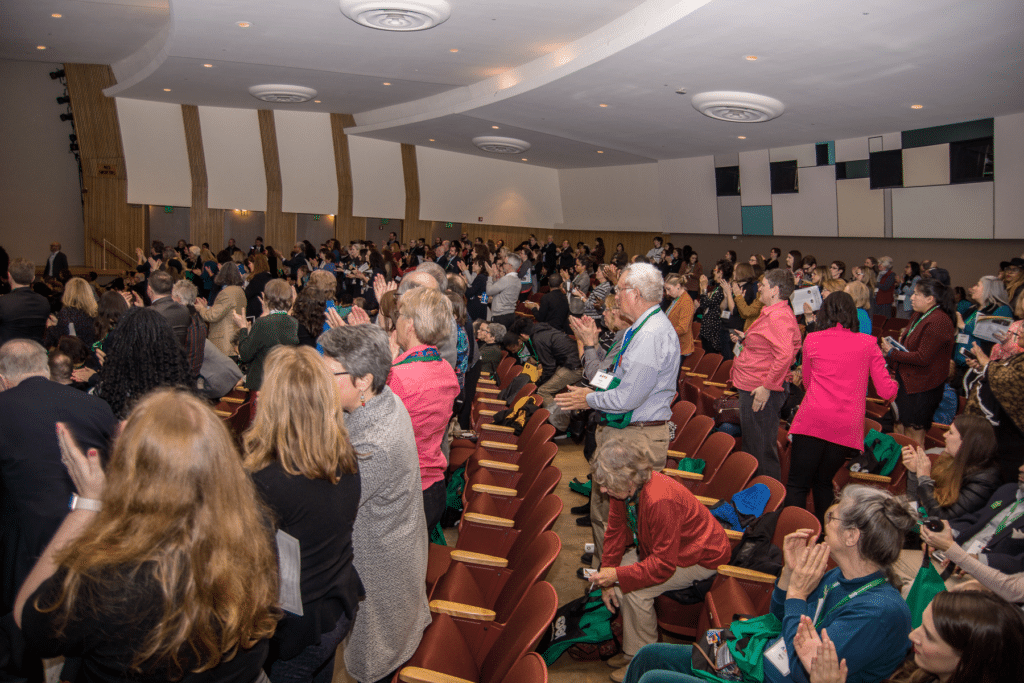
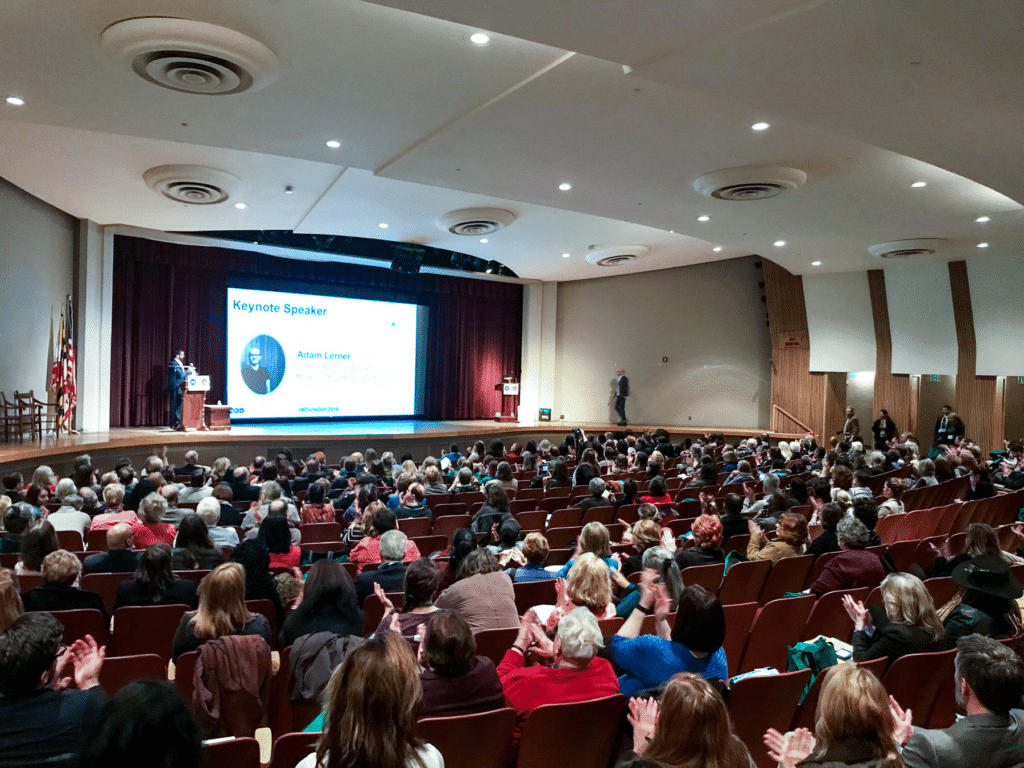
- The Hub: Activities take place in the Francis Scott Key Auditorium.
- The Purpose: The location is the “launchpad” for receiving legislative briefings, listening to keynote speakers, and coordinating with county delegations before visiting the State House.
The “Annapolis Walk”: Moving to the State House
The group leaves the college campus for the city’s legislative district at 10:30 AM.
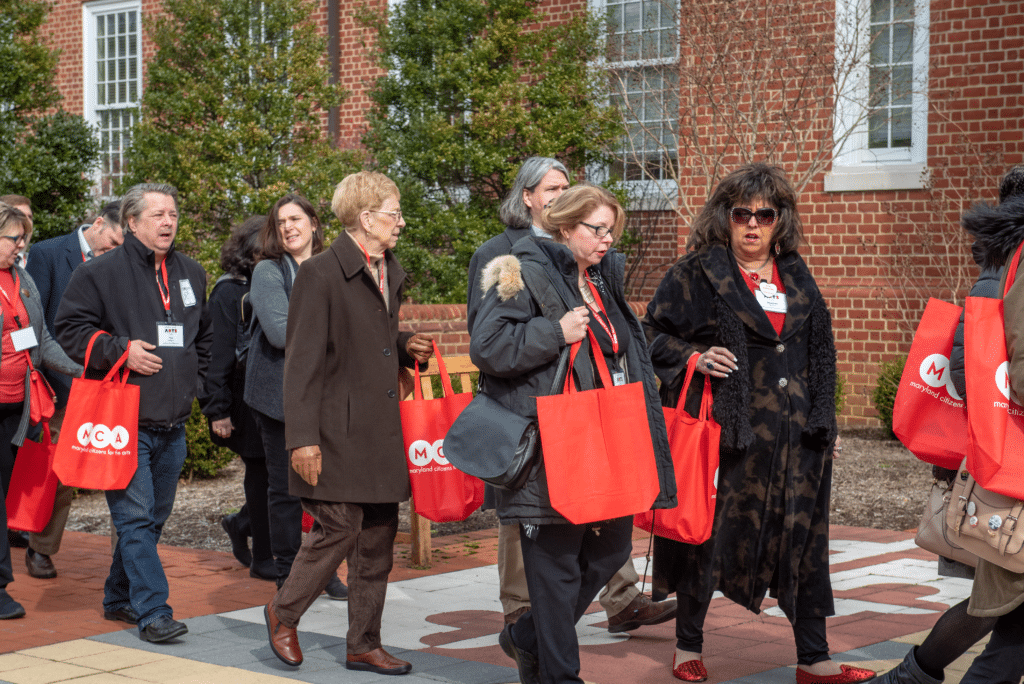
- The Destination: Advocates stroll to Maryland General Assembly office buildings.
- Legislative Meetings: During Legislative Meetings, visit your Senators and Delegates’ offices to deliver your arts funding request (11:30 AM-12:30 PM).
- Visual Impact: The mass walk through ancient Annapolis reminds legislators of the state’s large and enthusiastic creative population.
Registration Essentials: Getting Started
Registration is required through Maryland Citizens for the Arts.
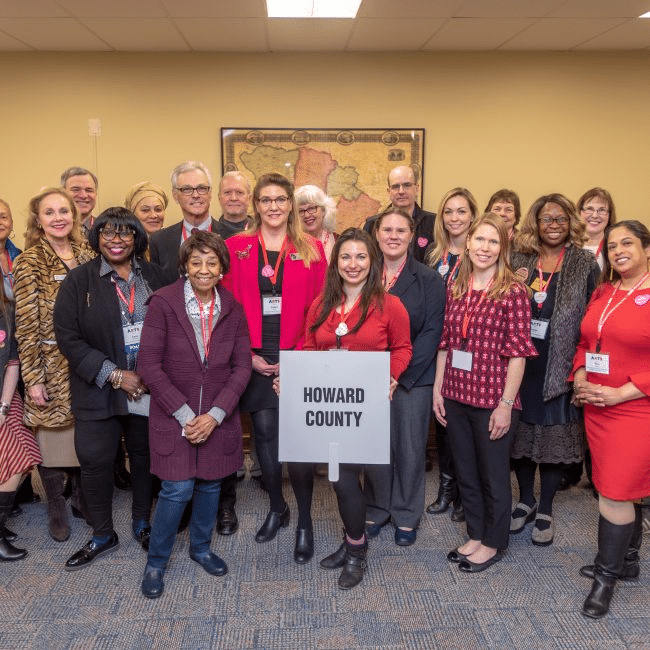
- County-Specific Process: Registration must be based on your county of residence or work. This places you in the right County Delegation so you can meet with your legislature members.
- What’s Included: Registration normally includes advocacy toolkit (talking points, data sheets), networking breakfast, and packed lunch (available at Maryland Hall for the Creative Arts between 12:00 PM and 2:00 PM).
The Morning Plenary: Inspiration and Strategy
The morning plenary powers Maryland Arts Day. It provides inspiration and facts to turn passionate artists into successful political champions.
Networking Breakfast (8:00 AM – 9:00 AM)
- Fuel for the Day: Coffee and light breakfast at St. John’s College.
- The Power of Connection: The ideal moment for “unstructured” networking. Before meetings, Garrett County artists chat with Eastern Shore gallery owners to form a unified front.
Opening and Greetings (9:00 AM – 9:30 AM)
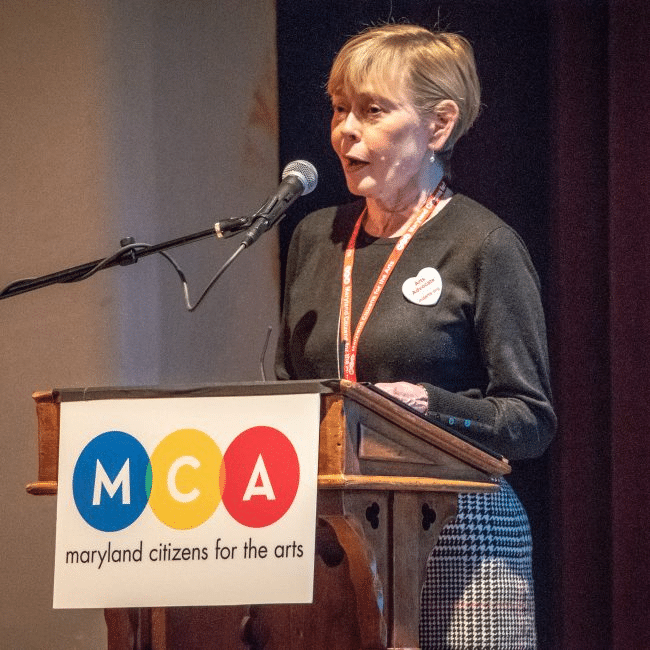
- Political Presence: High-ranking elected figures greet attendees at the Francis Scott Key Auditorium where the session commences.
- Building Bridges: Speakers, such as Maryland General Assembly members who support the arts, foster collaboration at afternoon meetings.
Keynote Address and Special Awards (9:30 AM – 10:10 AM)
- The Keynote Speaker: In 2026, Sue Malone, a notable arts community voice, will be the Keynote Speaker. Her speeches often discuss the “Arts Ecosystem” and how individual creativity benefits the state’s social and economic wellbeing.
- Sue Hess Legacy Arts Advocate of the Year Award: Honors an individual for their exceptional dedication to the arts.
- Significance: The MCA’s first Chair’s award honors a community advocate who has greatly boosted public awareness of the arts in Maryland.
- Previous Inspiration: Previous winners, such as Pamela Simonson Parker (2025) and Lorna Green (2024), demonstrate the power of individual voices to drive statewide change.
- Legislative Briefing and the “Budget Ask” (10:10 AM – 10:30 AM)
- The Strategy Session: Led by MCA Executive Director Nicholas Cohen, prepares you for legislative visits.
- Clear Talking Points: Receive a compact review of the state budget and the annual “ask”
- Navigating the Shortfall: Critical briefing on Maryland’s estimated $2.95 billion gap in 2026. Highlighting that the arts generate significant tax income and support over 80,000 employment will help you demonstrate that they are an investment.
The Heart of the Event: Legislative Advocacy
Maryland Arts Day enthusiasm flows from the auditorium to power after the morning briefing. This is the most important part of the day, speaking directly to state budget lawmakers.
Navigating the State House Complex
Advocates go together from St. John’s College to the legislature.
- Entry and Security: Use the Miller Senate Building or Lowe House Office Building on Bladen Street.
- What to Bring: Take a photo ID (e.g., driver’s license) to pass through security. Avoid big backpacks to speed things up.
- “County Delegation” Model: Do not be alone. You will be with advocates from your district. Often, a local arts council director will help your group obtain offices.
The “Budget Ask” for 2026
Maryland’s 2026 budget deficit is $2.95 billion. Your visit is more vital than ever. You want to preserve MSAC funding.
- Mandated Funding: Remind lawmakers that the arts budget must rise with the state’s general fund by law.
- Economic Return: Share that investing in the arts returns roughly $2 in local economic activity for every $1 from the state.
- Jobs and Tourism: Arts sustain over 80,000 employment and attract over 5 million visitors to Maryland annually.
Legislative Etiquette: How to Be Effective
Quick 5- to 15-minute meetings are common in Annapolis.
- Be Brief and Precise: Introduce yourself, specify your request, and provide a brief personal narrative about how the arts benefited your community.
- Use Proper Titles: Properly address lawmakers as “Senator [Last Name]” or “Delegate [Last Name]”.
- Listen and Offer Help: Respond to concerns of lawmakers by listening and providing assistance. You can not answer a data question? Say you will find out and follow up.
- The “Thank You” Rule: Advocacy continues beyond work hours. Never forget to thank the legislator and staff in writing or email.
- Remember: Lawmakers are people! They want to know how their decisions influence local voters. A local student or mural narrative sticks with them longer than a spreadsheet.
The “Human Element”: Why Stories Matter More Than Data
Advocates use facts and budgets, but personal stories make lawmakers listen. By “putting a face” to legislative issues on Maryland Arts Day, abstract data becomes tangible.
The Artist’s Role: Translating Creativity into Impact
Lawmakers prioritize “public benefit” and “jobs.” To be effective, put your artistic work into community-value language:
- Arts as Essential Service: Use the arts to address local issues, such as student engagement or downtown revitalization.
- Connecting as a Constituent: As a voter and neighbor, you are more than just a “artist” while meeting a politician. A personal story on how state funds affected your family or business is stronger than a standard letter.
Case Studies: From Small Grants to Big Changes
Small state interventions often transform communities:
- Revitalization Success: Demonstrate revitalization success by highlighting how state finances supported programs that reached thousands of youngsters or redeveloped local neighborhoods.
- Maryland State Arts Council (MSAC) Impact: The Maryland State Arts Council’s community art projects generate $1.86 per dollar in economic activity.
Youth Voice: The Future of Advocacy
Arts Education in Maryland Schools joins with 2026 Maryland Arts Day to highlight youth.
- A Student’s Perspective: Student testimonials on a media arts or music program’s sense of belonging can be more persuasive than spreadsheets.
- Arts as a Civil Right: AEMS promotes arts education as a civil right, leading to a well-rounded education that prepares students for careers and civic engagement.
- Equitable Access: Advocacy for equitable access to high-quality arts teaching in historically under-resourced communities makes “equity” a reality for all Maryland students.
- Politicians survive on personal connections. Using a “real-life story”, like how a neighborhood gallery helped seniors or a youth program boosted literacy, humanizes and makes your message memorable.
Beyond the Meetings: The Arts Day Experience
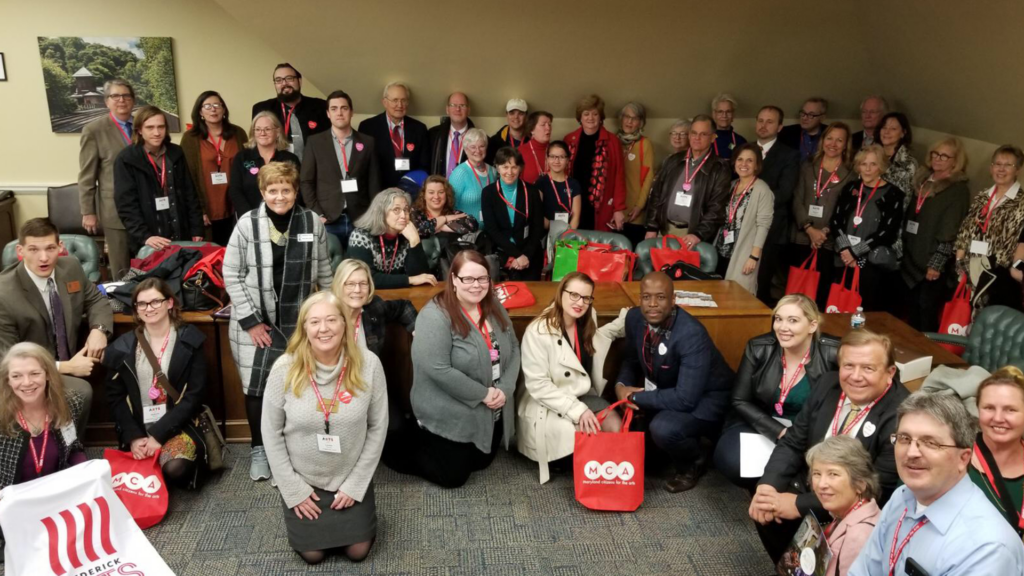
Maryland Arts Day transforms Annapolis into a “gallery of advocacy.” It establishes a cohesive visual and cultural presence that politicians cannot ignore.
The Advocate’s Toolkit
At St. John’s College, participants receive a “Grab Bag.” This toolkit includes:
- Data-Driven Bookmarks: Promote Maryland’s $12.8 billion arts economy with compact cards.
- Legislative Talking Points: A 2026 “cheat sheet” for the $30.5 million MSAC spending request.
- District Fact Sheets: Localized data on state grants’ impact on your neighborhood.
Visual and Cultural Impact
The State House hallways and tunnels are filled with hundreds of individuals wearing bright “Arts Advocate” stickers and buttons, indicating a well-organized community. This day features “live evidence” of state-funded talent through pop-up performances from traveling musicians to youth showcases.
Networking and Reflection
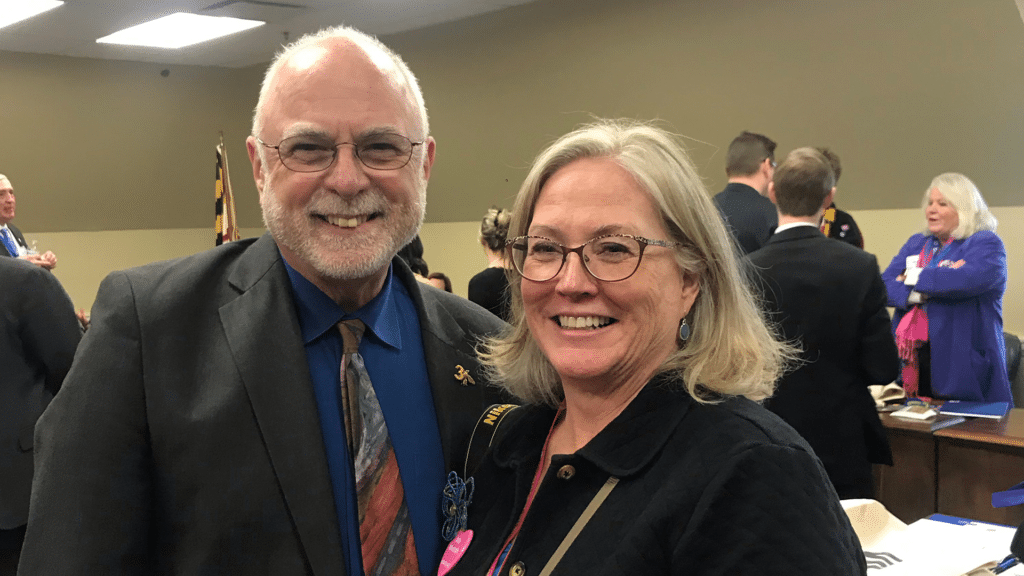
The event starts with an 8:00 AM networking breakfast and ends with a 12:00–2:00 PM community lunch pick-up at Maryland Hall. This lets county delegations share triumphs and strengthen year-round movement relationships.
Strategic Impacts: What Happens After February 12th?
Marathon advocacy, not sprint. Maryland Arts Day on February 12, 2026, sparks energy, but the real “victory” comes in the weeks after as the state budget is finally drafted.
Immediate Follow-Up
Effective advocacy means staying on lawmakers’ radar after Annapolis.
- Thank-You Notes: Upon meeting delegates, send a personalized thank-you note within 48 hours. Appreciate their time and repeat your main request about the $34.2 million MSAC budget.
- Social Media Momentum: Post meeting images with official hashtags. Tagging representatives shows their artistic involvement.
Tracking the 2026 Session
Maryland Citizens for the Arts (MCA) monitors the budget until April.
- The “Mandate” Battle: Protecting the 1994 Arts Stabilization Act is a top priority for 2026. Advocates must be ready for “action alerts” if politicians try to eliminate this essential funding formula during budget reconciliations.
- Year-Round Engagement: Invite legislators to local gallery openings or rehearsals to transition from “visitor” to “partner” year-round. Seeing the work in person is the best way to verify state funding promotes the $12.8 billion creative sector and sustains over 80,000 employment.
Challenges and the Future of Advocacy
The 2026 advocacy landscape is about stability during a historic budgetary crisis. Advocates must adjust to economic changes while keeping the arts inclusive and resilient.
The $2.95 Billion Budget Deficit
A projected $2.95 billion state budget gap is the biggest 2026 challenge.
- The “Mandate” Battle: Governor Moore’s government proposes abolishing the 1994 Arts Stabilization Act. The arts budget grows alongside the state’s general fund under this 30-year-old model. Without this obligation, arts financing would be subject to annual political changes.
- Level Funding Goals: Advocacy aims to retain “level funding” of $34.2 million for the Maryland State Arts Council (MSAC). In a deficit year, avoiding cuts is a big win.
Advancing Equity and Inclusion
More than financing, Maryland’s cultural sector needs equitable distribution.
- Breaking Barriers: Maryland Nonprofits aims to break down barriers by ensuring diverse leadership and funding for their communities.
- Support for Underserved Artists: New projects aim to empower justice-impacted individuals, rural artists, and communities of color to flourish in the competitive creative industry.
Digital and Business Resilience
Beyond 2026, the sector is professionalizing advocacy:
- Digital Literacy: Advocates emphasize “business-ready” skills like IP protection and digital marketing.
- Collaborative Action: Aim to integrate the arts into all governmental priorities, from public safety to education, using a proactive “Advocacy 365” strategy, moving away from reactive lobbying.
Conclusion: The Final Encore
Maryland Arts Day 2026 is that time when the creative community ensures its future. On February 12, 2026, over 500 advocates in Annapolis showed that the arts are vital to Maryland’s identity and economy.
Your participation sends a powerful message to the State House, defending the $34.2 million MSAC budget and the 1994 Arts Stabilization Act, which protects long-term support during significant fiscal difficulties. By supporting a $12.9 billion industry that employs 80,000 people, you convince politicians that “the arts mean business.”
As the sun sets over Annapolis docks, the actual job begins. Continue building relationships by inviting politicians to local gallery openings or plays. Join the Maryland Citizens for the Arts (MCA) mailing list to receive urgent “Action Alerts” as the budget nears its April deadline. For a prosperous Maryland, the arts are essential. We appreciate your voice that keeps our state’s creativity alive. So register today, buy your tickets now!