


People often praise Annapolis for its royal charm, but the streets made of red bricks tell a much more important story: one of survival, leadership, and a fight for freedom that lasted hundreds of years. Annapolis was the capital of Maryland and a major royal port in the past. It was also a main route for thousands of slaves coming from West Africa and the Caribbean. Because of its complicated past, it is an important topic for Black History Month (BHM).
A Century of Commemoration
The theme for Black History Month across the country in 2026 is “A Century of Black History Commemorations.” This event marks the exact 100th anniversary of the start of “Negro History Week” by Dr. Carter G. Woodson in 1926. This theme hits home very strongly in Annapolis, which thinks back to its own 100-year attempts to record and keep alive African American stories that were once left out of mainstream stories.
A Hub for African American Leadership
There is a lot more to the city than just being a port of entry. At least a third of the city’s people have been of African descent since the 18th century. Annapolis has always been a center for Black intellectual and community power. In the 1800s, “free persons of color” owned land on Duke of Gloucester Street, and today’s political leaders live and work there.
What to Expect in February 2026
During the month, people can explore:
- The Kunta Kinte-Alex Haley Memorial is a strong place at City Dock that remembers when Kunta Kinte came to America in 1767.
- The Banneker-Douglass-Tubman Museum is the official state archive for African American history in Maryland.
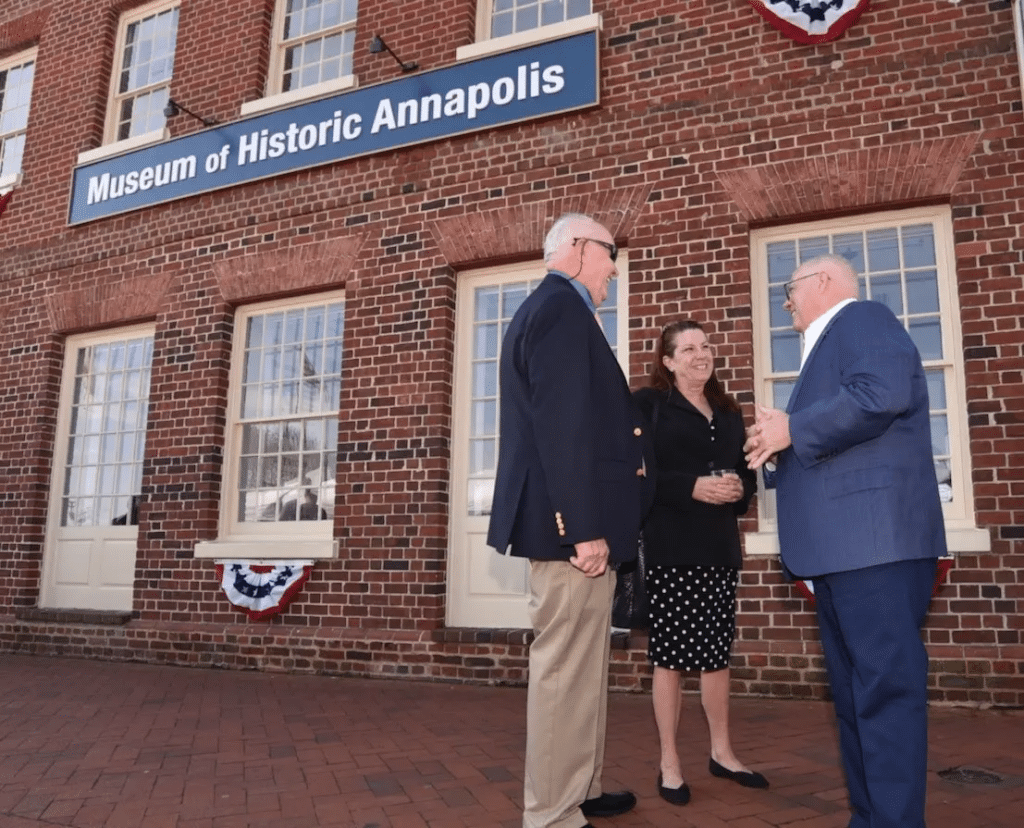
- Living history events include special “Super Saturday” shows at the Museum of Historic Annapolis that show people acting like civil rights campaigners.
Zavros Place will help you find your way to the 2026 season’s events, museum shows, historic tours, and other things to do in Annapolis, so you can live the history you are learning about.
Landmark Commemorations at City Dock
The Annapolis City Dock is more than just a pretty spot on the water; it is also an important place for African Americans to remember and think about their history. In February 2026, it is a place where people can gather to have quiet conversations and hold community events.
Kunta Kinte-Alex Haley Memorial
This memorial stands at the base of Main Street on the spot where Kunta Kinte was brought ashore as a slave in 1767.
- The Sculpture Group: Made a bronze statue of Roots author Alex Haley reading to three kids as part of the tribute. Only one memorial in the country remembers an enslaved African’s name and site of arrival.
- 2026 Maryland Day Preview: In February, people can go to early preview events at the memorial to see how the city is getting ready for its big Maryland Day celebration in March.
- A Place to Reflect: The memorial’s “Compass Rose” provides a calm space for daily thought, linking visitors to the “Roots” story and the general past of the African Diaspora.
The African American Heritage Tour
This award-winning walking tour gives you a deep understanding of the city’s rich past.
- The Experience: This tour, led by guides dressed in clothes from the time period, looks at the real journey of African Americans in Maryland. It tells the stories of specific people who fought back against slavery and managed to escape.
- “Race and Rights” Guided Tour: On Saturday, February 7, 2026, the Museum of Historic Annapolis will teach a special 50-minute tour about race and rights.
- Time: At 11 a.m. and 2 p.m. (highly suggested to register ahead of time).
- Focus: It discusses important civil rights laws, important court cases, and how Black community leaders have changed the city.
- Important Stops: The tour goes beyond the memorial to see spots like the Thurgood Marshall Memorial and places where people used to sit down at lunch counters and protest.
Living History and Interactive Learning
There will be events at the Museum of Historic Annapolis at 99 Main Street on February 7, 2026.
- Meet a Living Historian: From noon to two o’clock, visitors can meet a living historian who is playing Marita Carroll, a Black Civil Rights fighter who took part in the 1960s Annapolis lunch counter sit-ins.
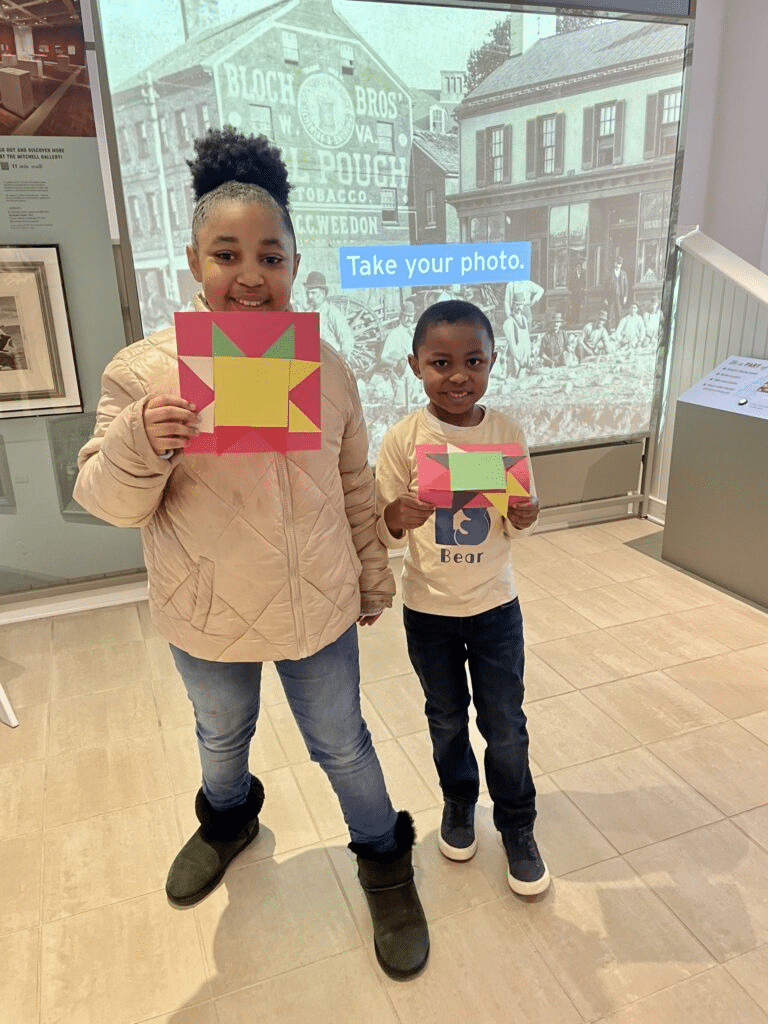
- Family Activities: There will be a treasure hunt throughout the museum and a special “Book Nook” with children’s books about African American history.
Museum Highlights and Special Exhibitions
There are some of the best places in Annapolis to learn about and maintain African American history. These museums have planned special events for February 2026 that include everything from modern art to deep dives into ancient artifacts.
1. Banneker-Douglass-Tubman Museum (BDTM)
The BDTM is the main place where Black History Month events happen because it is Maryland’s official state museum for African American history.
- “She Speaks” Exhibition (Opening Feb. 7): On Saturday, February 7, 2026, from 10:00 AM to 4:00 PM, there will be a public reception for the opening of the big new exhibition She Speaks: Black Women Artists and the Power of Historical Memory.
- A New Perspective: This show looks at the United States’ 250-year past through the lens of Black feminism. It includes works by well-known artists such as Faith Ringgold and Elizabeth Catlett.
- Permanent Legacy: The museum is a historic place because it is in the building that used to be the Mount Moriah African Methodist Episcopal Church [built in 1874]. It celebrates Benjamin Banneker, Frederick Douglass, and Harriet Tubman, who were all important people in Maryland.
2. Museum of Historic Annapolis (99 Main Street)
During its “Super Saturday” event, this museum lets you learn about history by doing.
- On February 7, 2026, Super Saturday, families can drop in for activities that honor Black cultural history from 11:00 AM to 3:00 PM.
- New “Race and Rights” Tour: This 50-minute guided tour, which leaves at 11 AM and 2 PM, looks at how important African American court cases and community leaders have changed the city.
- Logistics: Adults pay $7 to enter, but kids under 7 enter for free. The museum is also a part of “Museums for All,” which lets people with SNAP or WIC cards in for free.
3. Annapolis Maritime Museum (AMM)
The AMM’s popular Winter Lecture Series looks at the history of African Americans in the sea and in their communities every Thursday night in February.
- The Ben Ross Homeplace (Feb. 12): Dr. Julie Schablitsky, an archaeologist, talks about finding the site of Harriet Tubman’s father’s home on Maryland’s Eastern Shore.
- Columbia Beach: “Gem of the Bay” (Feb. 19): This discussion is about the past of one of the historic waterfront towns on the Chesapeake’s “Black Coast.”
- How to Attend: Lectures happen at 7:00 PM on the museum’s Eastport site. Tickets for everyone else are $10, and you have to sign up ahead of time because space is restricted.
4. Sacred Ground: Cemetery Preservation
Virtual Workshop: The BDTM holds “Sacred Ground” classes from time to time as part of its work to preserve local history. Volunteers learn how to take care of and protect ancient Black cemeteries that hold family stories from generations past.
Academic and Literary Events
The annual genealogy conference “Our Stories Will Continue To Be Told” is one of the greatest of the season.
- Event Date: The event will take place on Saturday, February 7, 2026, from 10 a.m. to 5:30 p.m.
- Keynote Speaker: The inaugural remark will be by Maryland State Archives Legacy of Slavery Program manager Chris Haley.
- Core Topics: Use of modern tools to help people track their own lineage is the point of the sessions. Some important classes are:
- Using DNA to find out about your family tree.
- Using full-text search and artificial intelligence (AI) in sites like FamilySearch.
- Taking care of and recording historic cemeteries.
- A Beginner’s Workshop is offered for beginning genealogists, but limited to 30 participants and requires advance registration.
Literary and Educational Programming at St. John’s College
St. John’s College includes Black intellectual history in its curriculum and sponsors student-led activities.
- Casual Seminars: The Black Student Union (BSU) holds discussion groups with teachers to look at the writings of W.E.B. Du Bois, Toni Morrison, and James Baldwin in a casual setting.
- Art & Literature Showcase: In February, BSU hosts a gallery of Black American art and literature.
- Great Books Focus: As part of the curriculum for the whole school, students read in depth Supreme Court cases about equality as well as speeches by Frederick Douglass and Dr. Martin Luther King Jr.
Anne Arundel County Public Library (AACPL) Events
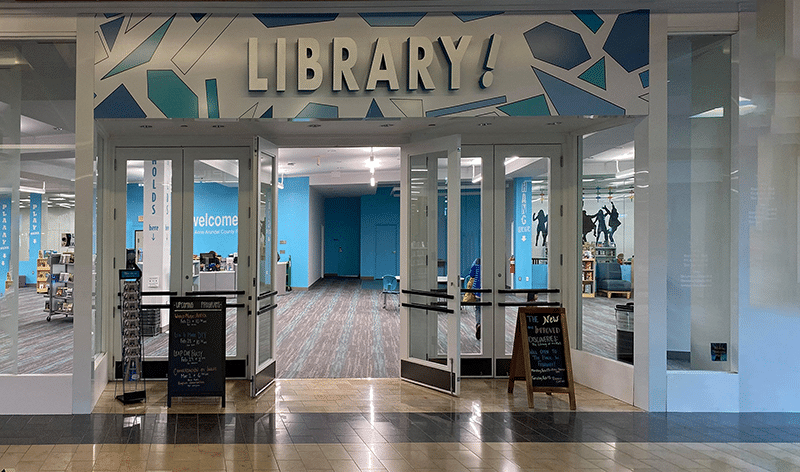
There are literature events for people of all ages at the Busch Annapolis Library and other nearby sites.
- Empowered, Brilliant & Brave (Feb. 10) is a theatrical and literary club for kids and teens (ages 8–13) that introduces them to strong Black women from history.
- Maryland State Archives Collaboration (Feb 21): A special event at the library called “Crownsville Through the Ages” looks at local oral histories and how to keep records for the historic Crownsville site (Feb. 21) as part of the Maryland State Archives Collaboration.
- The “Book Nook” at Historic Annapolis: On February 7, the library will have a collection of children’s books honoring African American history available at 99 Main Street for a “reading break.”
Self-Guided “Off the Beaten Path” History
While formal events are interesting, you can really get into Annapolis’s Black history by taking your time and exploring the city’s quiet corners and residential streets. You can connect with the local environment and the people who changed it on these self-guided routes.
The “Footsteps of Frederick Douglass” Route
Frederick Douglass, the famous abolitionist and speaker, had strong ties to Annapolis throughout his life.
- The Old Senate Chamber: Go to the Maryland State House to see where Douglass stood in June 1874 to remember George Washington’s retirement speech.
- New Sculptures: Inside the State House, you can see life-sized bronze statues of Frederick Douglass and Harriet Tubman that show how they really looked when they lived in the city.
- Beyond the City: If you have a car, you can turn this into a driving trip that goes from Annapolis to the Eastern Shore, where Douglass was born, and to Baltimore, where he later worked.
The “Annapolis Harlem”: Exploring the Old Fourth Ward
It was more than a hundred years ago that the city’s African American people lived in and around West Street, in an area known as the “Old Fourth Ward.”
- Historical Significance: Early 1900s residents called this neighborhood “Annapolis Harlem” because of its vibrant music culture and community centers.
- People’s Park: This park on West Street is a memorial to the people who had to leave their homes because of urban development in the middle of the 20th century. There are markers there that tell you about the religious and social sites that used to be there.
- Architectural Gems: As you walk, keep an eye out for the Maynard-Burgess House on Duke of Gloucester Street. Free African Americans owned this house in the middle of the 1800s. It is one of the few examples of Black people owning property in the colonial city.
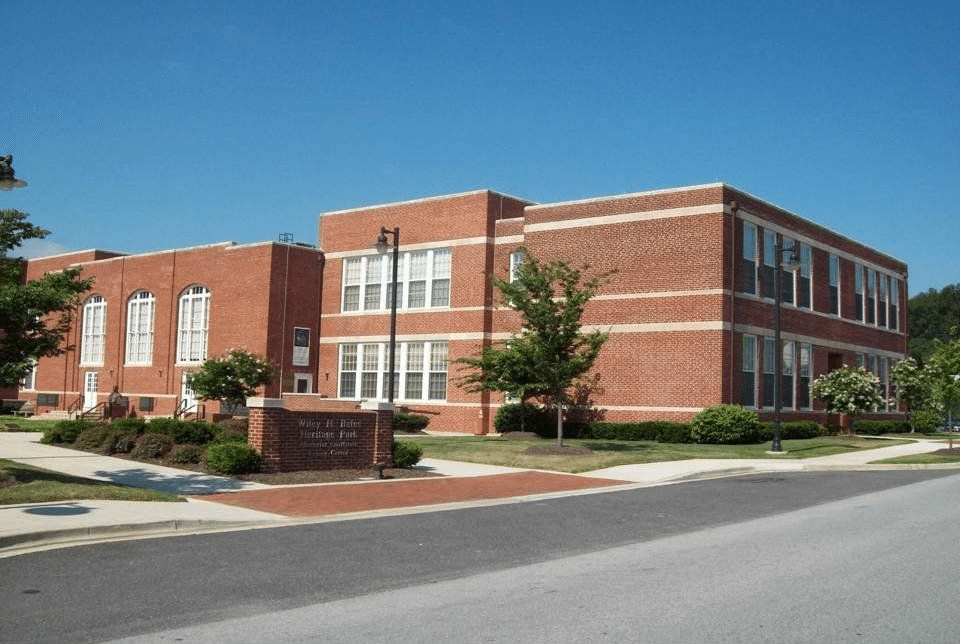
Wiley H. Bates Legacy Center
- The Original School: The Wiley H. Bates High School opened in 1932 and was the only high school in Anne Arundel County for African American students for more than 30 years.
- The Legacy Museum: The museum uses historical data and collections to preserve the school’s past.
- Memorial Courtyard: This calm “Sacred Place” lets visitors and alumni contemplate the school’s “Center of Excellence.”
- Visiting: If you want to visit, the center is ADA-accessible and has free parking. This 30-minute event is crucial for Civil Rights and equal education enthusiasts.
How to Navigate
To find your way to these places, you can use the NPS App or the Chesapeake Gateways page. Another fantastic self-paced option is the 1.3-mile “Underground Railroad Walking Tour,” which connects several of these locations.
The Culinary Heritage of Black Annapolis
African American sailors, farmers, and cooks made Annapolis’s Chesapeake Bay cuisine unique. During Black History Month in 2026, you can learn about this past and enjoy local food at the same time.
The Legacy of the Watermen
African Americans were the backbone of the seafood business in the area for hundreds of years.
- The Black Jacks: Black Jacks, both enslaved and free Black sailors, were some of the first skilled shipbuilders and oyster harvesters on the Bay.
- Grading the Catch: Did you know that Frederick Jewett, a Black business partner in the famous Coulbourne & Jewett Seafood Packing Company, came up with the normal way to grade crab meat (back fin, claw, lump, etc.)?
- Historic Gathering Places: Carr’s Beach and Sparrow’s Beach, which were once popular vacation spots for African Americans during segregation, were known for their fish boils and local food.
Where to Dine in 2026
If you want to support the modern “Black Business Legacy” while enjoying real flavors, try these neighborhood favorites:
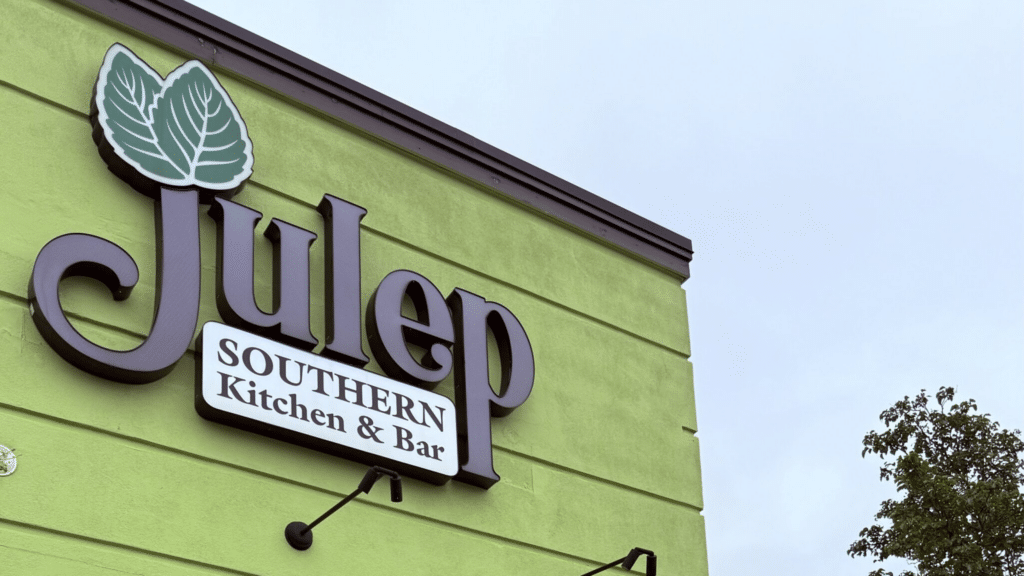
- Julep Kitchen & Bar: This restaurant is famous for its big biscuits and modern take on Southern “low-country” comfort food. It is just outside the historic area.
- West Street and Clay Street Corridor: Wander around the historic Fourth Ward to find a variety of restaurants and cafes run by Black people that keep the tradition of dining with the community in mind.
- Special BHM Tastings: Black Business Legacy in Annapolis on February 27, 2026, will feature BHM tastings. Local African American chefs will make small meals for the event.
Practical Planning and Logistics
Do these things ahead of time to get the most out of your visit during the 2026 celebrations.
Getting Around
- Parking: You can get to the Hillman Garage from either Main Street or Duke of Gloucester Street. From there, it is easy to walk to the City Dock and the Museum of Historic Annapolis.
- The Magenta Shuttle: This free shuttle frequently runs from park-and-ride areas to downtown, eliminating the need for street parking.
Visitor Tips
- Advance Registration: It is highly suggested that you purchase tickets online ahead of time for popular events such as the “Race and Rights” Guided Tour (Feb. 7) or the Winter Lecture Series at the Maritime Museum.
- Dress for the Weather: The Kunta Kinte-Alex Haley Memorial is one of many famous places that are outside. In February, the wind from the Severn River can be cold, so it is important to wear clothes.
- Accessibility: The Banneker-Douglass-Tubman Museum and the Wiley H. Bates Legacy Center are two of the most important places that are ADA-accessible.
Conclusion: A History to Carry Forward
Annapolis’ Black History Month is not just a time to learn about the past; it is also a chance to learn about how African American culture and leadership still shape the city today. By visiting these venues and supporting these events, you help preserve these vital American stories.