


If you are making plans to see the Annapolis Symphony Orchestra (ASO) in 2025–2026, the “Legends” show is one of the most important events of Season 64. This event is the seasonal peak of “orchestral storytelling.” Under the direction of Maestro José-Luis Novo, now in his 21st year as Artistic Director, it explores how music brings ancient myths and modern history to life.
“Legends” is about three things: the fanciful mythologies of Europe, the rough tales of the American frontier, and the fact that the evening’s guest artist is a “living legend.” In this series, the ASO welcomes Christine Goerke, a world-famous dramatic soprano with an unmatched reputation around the world, who is replacing Angel Blue. Bringing such a talented performer to the Annapolis stage shows that the ASO is still dedicated to bringing world-class art to the people who live in Annapolis.
This concert will deepen your understanding of human legacy, whether you prefer legendary faun flute songs or Wild West brass. Let’s explore fun and interesting things to do in Annapolis Symphony Orchestra “LEGENDS” Concert at Zavros Place!
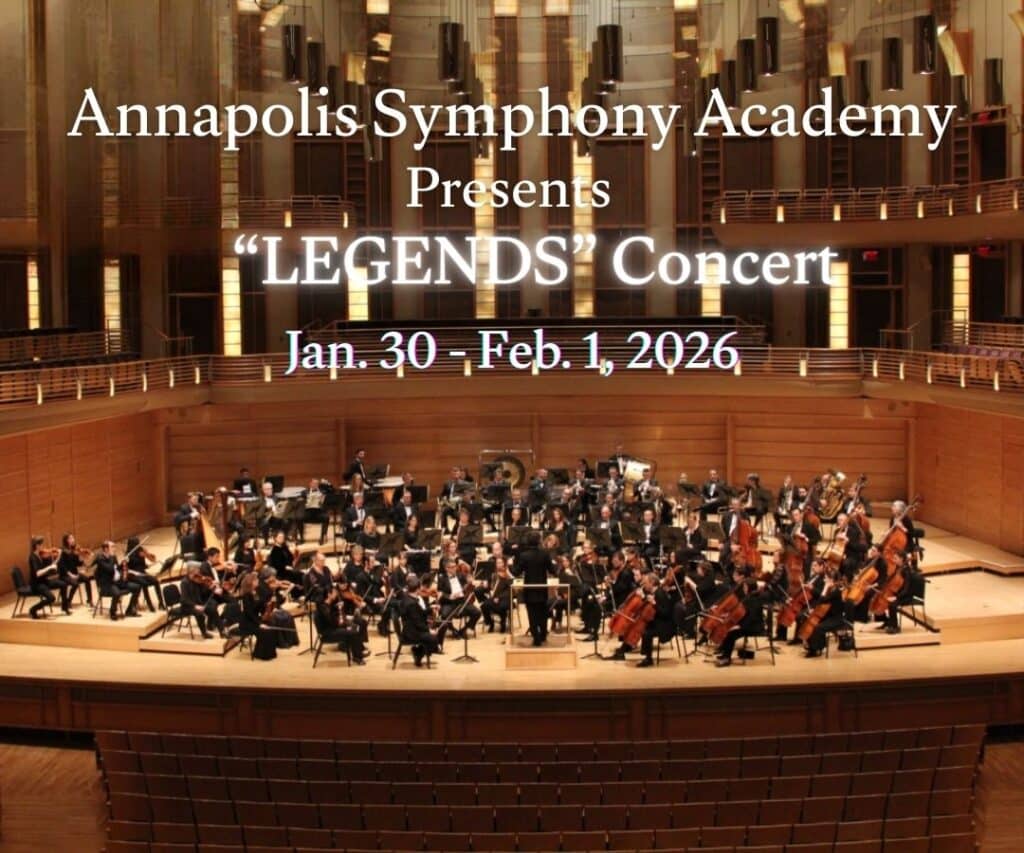
The Event Details: Venue and Atmosphere
The Annapolis Symphony Orchestra (ASO) offers two “Legends” environments, each with a distinctive acoustic and social perspective on the repertoire, to help you navigate.
Maryland Hall: The Historic Heart of the ASO
Only the Maryland Hall for the Creative Arts in Annapolis offers a more intimate and classic symphony experience.
- Performance Schedule: On Friday, January 30, and Saturday, January 31, 2026, at 7:30 p.m., you can see the events.
- The atmosphere: The ASO has been using this old high school hall for a long time and fills the 725-seat theater with a strong, direct sound. Due to the venue’s modest size, every guest can see the musicians and Maestro Novo’s delicate interaction.
The Music Center at Strathmore: Grandeur and Precision
For a world-class concert hall with loud sound, visit the ASO’s Sunday event on February 1, 2026, at 3:00 PM.
- A Second Home: The 2,000-seat Music Center at Strathmore in North Bethesda is very different from the small-scale atmosphere of Annapolis.
- Pitch-Perfect Acoustics: Warm wood walls and customizable symphonic music acoustic technology will produce “pitch-perfect” sound. With its massive musical noises, this setting suits Strauss’s Don Juan.
Pre-Concert Enrichment: Arrive Early
We strongly advise that you attend the pre-concert talk to get the most out of your ticket.
- Expert Insights: Jonathan Palevsky leads these discussions at 6:30 PM at Maryland Hall, which usually happen before the Strathmore matinee.
- Why it matters: Maryland’s classical music culture loves Palevsky, who simplifies complex works into stories. These sessions provide information on the “Legends” subject so you can understand the music’s history before the performance.
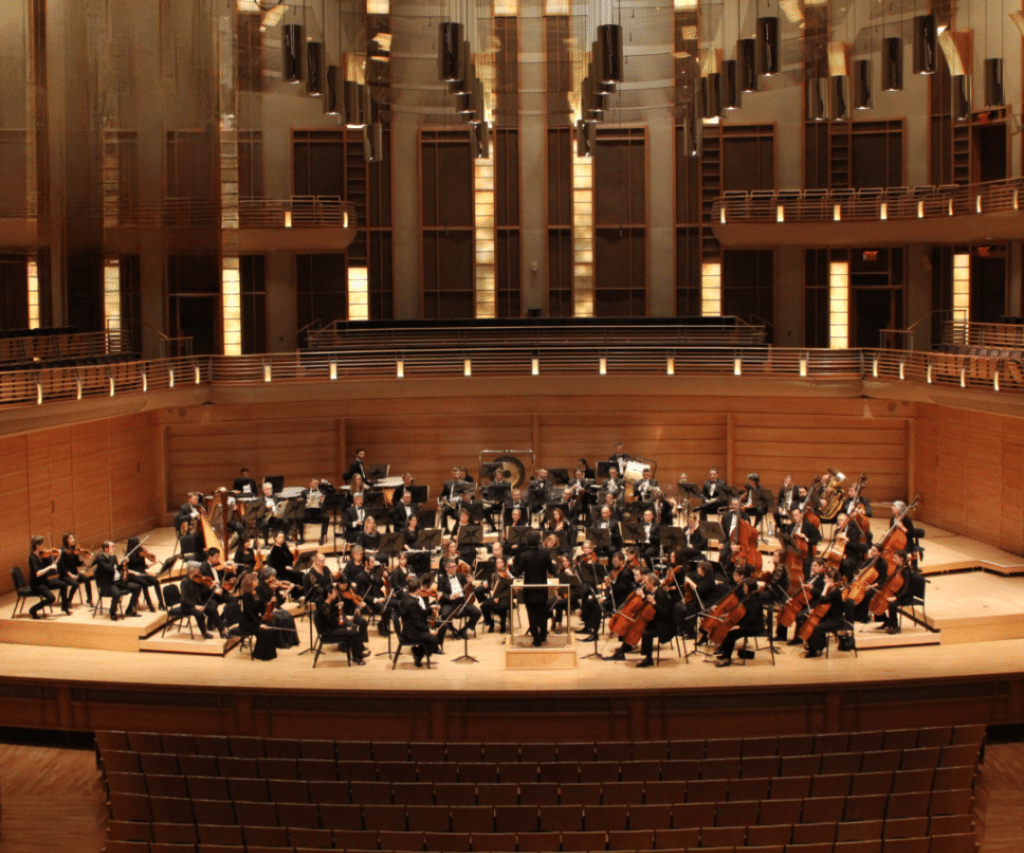
The Performers
The “Legends” program relies on Maestro José-Luis Novo’s experience, guest singer Christine Goerke’s drama, and the orchestra’s brilliance.
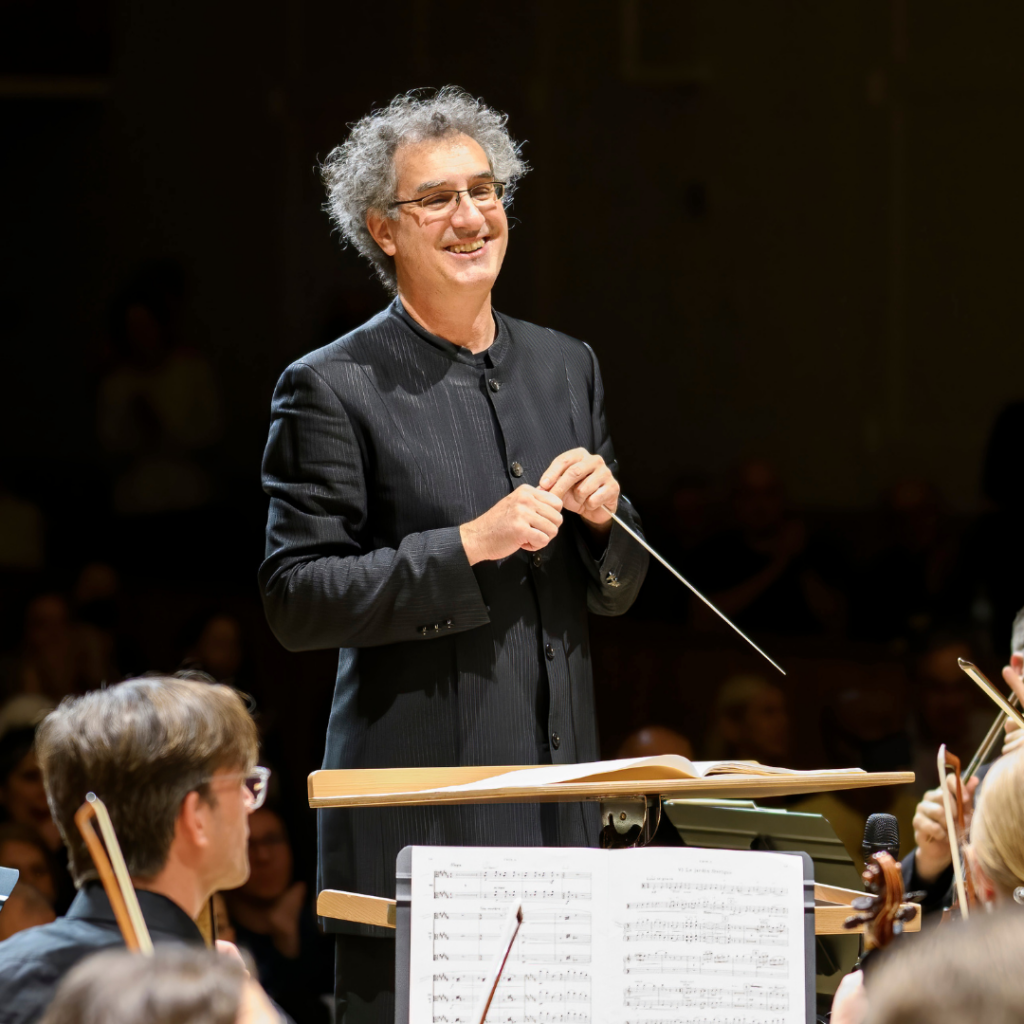
Maestro José-Luis Novo: Artistic Visionary
José-Luis Novo, the Annapolis Symphony Orchestra’s longest-serving music director, enters his 21st season as Artistic Director and Conductor. The ASO has grown from a regional group to a professional “powerhouse,” garnering national attention on NPR’s Performance Today and international recognition during their 2022 tour of Spain.
Novo is particularly regarded for his:
- Conducting Style: He is known for being able to combine great technical skill with deep emotional depth. He is also a “keen instructor” and a supporter of both new and old music.
- Curatorial Skill: He seamlessly blends “Modern” and “Romantic” works, balancing Debussy’s Impressionist cloud with Copland’s percussive Americana.
Soprano Christine Goerke: The Dramatic Legend
Christine Goerke, a legendary dramatic soprano, performs in Annapolis. At the Metropolitan Opera, La Scala, and the Royal Opera House, Goerke has played Strauss and Wagner’s complex, forceful heroines.
Richard Strauss’s Four Last Songs are a perfect fit for her singing for the “Legends” concert:
- Vocal Range and Power: Goerke is one of the few singers who can project over a full Romantic orchestra while still retaining “richness, power, and subtlety” in quieter sections.
- Interpretive Depth: Her performance should catch the “poetic transcendence” of Strauss’s last songs, which need a voice that can sing both the joy of spring and the peaceful acceptance of life’s sunset.
The Orchestra: Professional Excellence and Soloist Spotlight
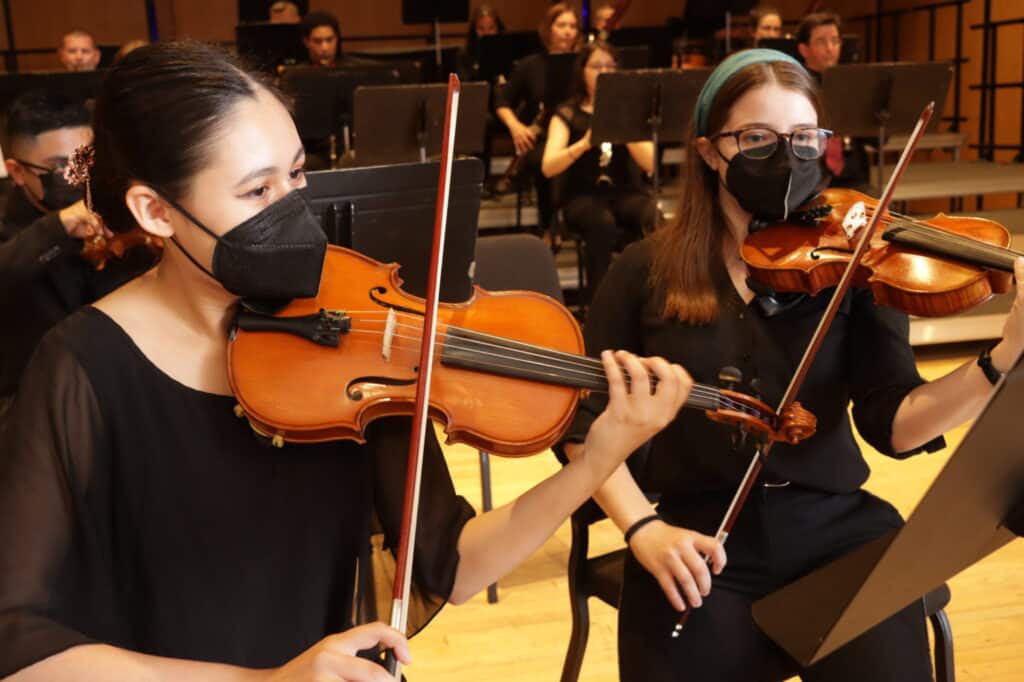
The ASO has 70 skilled musicians who can play Strauss’s Don Juan.
- Focus on Kimberly Valerio (Flute): Valerio is the Principal Flutist for the ASO, and her performance is a key part of the evening’s beginning. She has to play the famous chromatic solo that starts Debussy’s Prélude à l’après-midi d’un faune. This part requires a lot of breath control and color in the tone.
- The Powerhouse String Section: An example of a great symphony performance is Strauss’s Don Juan. In order to play the piece’s famous, soaring opening and its intricate, fast-paced sections, the ASO’s string section must act as the fiery engine that moves the tale of the insatiable lover.

Program Analysis: Part I – The Ethereal and the Eternal
Claude Debussy: Prélude à l’après-midi d’un faune
The concert begins with Claude Debussy’s 1894 masterpiece, the first Impressionist piece of music.
- The Mythological Source: The song is based on a Symbolist poem by Stéphane Mallarmé. A half-man, half-goat faun wakes up in a sunlit forest in the middle of the day. He drifts back into a deep, “drowsy” sleep after recalling a sensual experience with passing nymphs.
- The Iconic Opening: The piece is defined by the groundbreaking flute solo that opens it, played by ASO Principal Kimberly Valerio. The melodies are chromatic and tonally unclear. They span a “tritone” interval that sounds like the faun’s panpipes and gives the whole piece a dreamy, improvisatory feel.
- Harmonic Innovation: Instead of using standard symphonic structures, Debussy uses “hazy” textures and non-functional harmonies to give his music “color” instead of a clear storyline.
Richard Strauss: Vier letzte Lieder (Four Last Songs)
The concert then moves on to Richard Strauss’s deep, sunset thoughts after the faun’s ethereal dreams.
- Historical and Personal Context: These songs were written by Strauss when he was 84 years old, after World War II, when many of Germany’s cultural sites had been destroyed. They are a peaceful “fall harvest” and his last musical work before he died in 1949.
- The Four Movements:
- “Frühling” (Spring) is a beautiful, rising song about nature waking up, seen through the lens of memory.
- “September” is a sad song about the garden at the end of summer, with a haunting horn solo that honors Strauss’s father.
- “When Falling Asleep” (Beim Schlafengehen): This piece marks the change from day to night. A long, lyrical violin solo symbolizes the soul’s “free flight” into slumber, making it famous.
- “Im Abendrot” (At Sunset) is the emotional center of the cycle; it shows an old couple who have reached the end of their trip. “Is this perhaps death?” asks the singer. Strauss reads from his early tone poem Death and Transfiguration as two flutes play larks rising.
- The Goerke Interpretation: These large, post-Romantic vocal lines are for guest singer Christine Goerke to handle. Her performance must blend the “ardent yearning” of the early parts with the “calm acceptance” of the conclusion, demonstrating the ASO’s ability to offer a beautiful, supportive orchestral tapestry for a magnificent voice.
Program Analysis: Part II – The Fire and the Frontier
Richard Strauss: Don Juan, Op. 20
The orchestra comes back after the break with a piece that has a lot of “swagger” and “swashbuckling” energy. Strauss wrote Don Juan when he was only 24 years old. It is very different from his Four Last Songs, which are very calm.
- The Legend of the Idealist: Strauss’s Don Juan is based on Nikolaus Lenau’s literary retelling of the story, not on traditional versions of the character. In this case, the Don is not just a bad guy; he is an optimist looking for the “perfect woman,” and when his search fails, he gives up and becomes sad.
- Orchestral Brilliance: The piece needs an “orchestra of virtuosos” to show off every part of the ASO.
- The Heroic Theme: The most famous part is the rising “Don Juan” theme, which is a loud, upward-sweeping roar played by four horns at the same time.
- The Oboe Solo: During a peaceful moment, a soft oboe solo hints at a deeper emotional connection. This shows the expressive range of the ASO woodwinds before the music returns to its “storm of happiness.”
- High Stakes: Because of its fast-paced string sections and difficult brass interjections, Don Juan is still one of the most feared audition pieces for professional musicians. Its selection shows how technically advanced the ASO has become under Maestro Novo.
Aaron Copland: Billy the Kid Suite
At the end of the show, the sounds of American folklore replace the sounds of European story.
- “The Soundscape of the West”: Copland’s famous score used open fifths and wide intervals to create the “Western” sound, which he said reflected the “huge openness” of the American plains.
- The Suite’s Movements: The Open Prairie: The music starts and ends with a calm, wide-open theme that represents the land before people changed it.
- Street in a Frontier Town is a lively mix of cowboy songs, such as “Great Granddad” and “Git Along, Little Doggies.”
- o The Gun Battle: a dramatic percussion section where the timpani plays the role of the law and the high-pitched snare drum plays the part of Billy.
- Folk Legends and Symbolism: Copland used real folk tunes like “The Old Chisholm Trail” and “Goodbye Old Paint” all over the piece. The piece portrays how people regarded the “Wild West,” where Billy becomes a tragic frontier tale.
- Meaning in the Finale: When the “Open Prairie” theme comes back at the end, it means that even though Billy’s story has ended, the spirit of the land lives on.
Cultural Impact and Legacy
The ASO in the Community: A Mission of Excellence
The “Legends” concert is a great example of the ASO’s goal to inspire, educate, and enrich lives through great music as it goes through its 64th Season. The orchestra’s heritage is based on its dedication to making great music available to everyone.
- A Wide Range of Music: The season includes both well-known classics and new pieces by authors such as Gabriela Ortiz and William Dawson, who has been Maestro José-Luis Novo’s boss for 21 years.
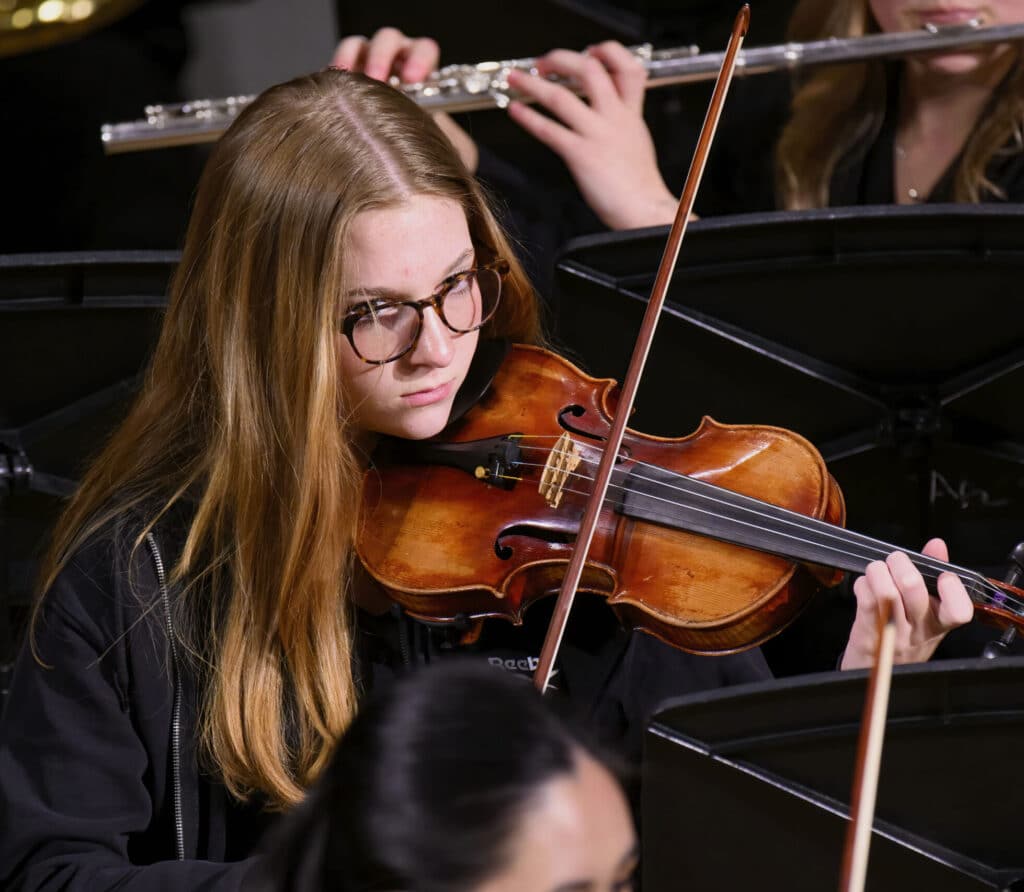
- Education for All: The Annapolis Symphony Academy (ASA) is significant to the symphony. It offers high-quality music instruction to kids of all backgrounds and incomes and typically awards scholarships to top students.
- Helping the Area: Annually, almost 27,000 people attend ASO performances in Annapolis, North Bethesda, and Baltimore. This benefits local hotels, restaurants, and other businesses.
Sponsorship and Support: How the Music Happens
It takes a lot of teamwork and money to bring a popular star like Christine Goerke to the stage.
- Grants from the Maryland State Arts Council (MSAC) and the Arts Council of Anne Arundel County (ACAAC) make this show possible.
- Sponsoring a Musician: People who attend the ASO can “sponsor” a musician’s chair, which helps the organization get and keep the best paid musicians in the country.
- Community Partners: The ASO also works with groups and brands in the area. The “Made for the Maestro” project with a local shoe brand is a new example of this. It brought more money and attention to the symphony.
Audience Experience and Logistics
The Annapolis Symphony Orchestra (ASO) wants everyone to feel comfortable, regardless of age.
Ticket Information
The ASO has different price ranges so that more people can enjoy the music.
- • Maryland Hall in Annapolis: Tickets here range in price from $25 to $110.
- Ticket prices for shows at The Music Center at Strathmore (North Bethesda) range from $3 to $69.
Bringing the Community Together
The ASO’s goal is to bring “More Music to More People.” This means they put in a lot of work to make sure the symphony is for everyone in the community, not just a small group.
Accessibility for All
The ASO makes sure that everyone at the show is at ease:
- If you have never been to an ASO event before, they offer helpful information and pre-concert talks that will help you understand the music.
- Season ticket holders: Long-time fans enjoy the high-quality shows they have come to expect, along with new information and different seating choices.
Conclusion
It is a musical journey through some of the best stories ever told at the “Legends” show. It begins with Debussy’s peaceful faun, then Strauss’s devastating farewell, and closes with Copland’s Billy the Kid’s thrilling American West.
The ASO proves “legends” are real by pairing guest soprano Christine Goerke with local professionals. They are the strong emotions and stories that bring us all together through music. As the show ends, audiences feel the lasting impact of live music on their lives and the community. Buy tickets here!