


Have you ever wanted to discover a place brimming with natural beauty? Imagine a vast area where water and land meet in perfect harmony. This incredible location is the Jug Bay Wetlands Sanctuary. It offers you a peaceful and exciting escape into the wild. The sanctuary is a protected space located right on the Patuxent River in Maryland. It is a place where you can connect with nature in a profound way.
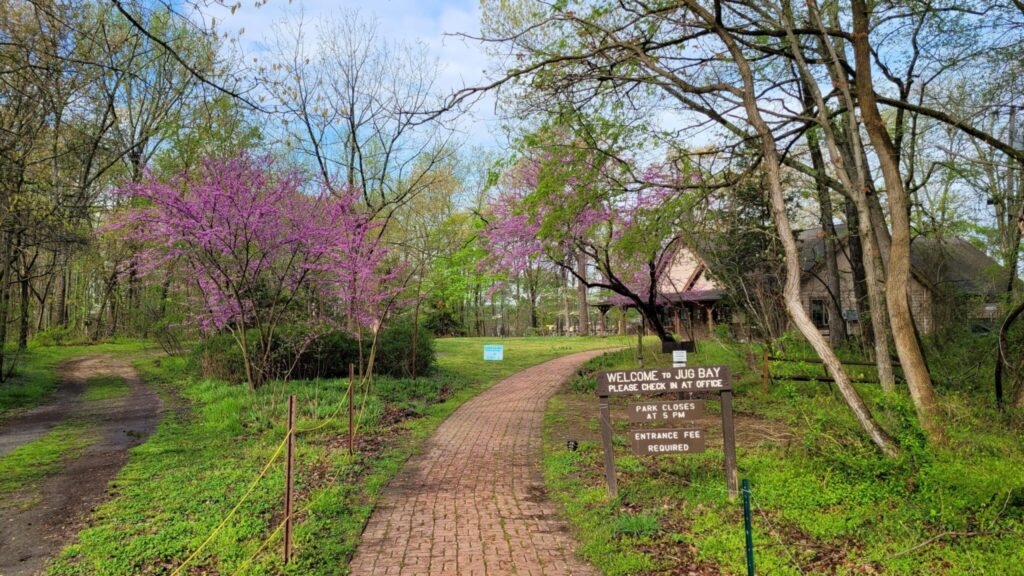
The “sanctuary” name means it is a safe place for wildlife. Many creatures make their home in these wetlands. From tall birds to small fish, life is everywhere. The Jug Bay Wetlands Sanctuary is their protected home. It ensures these animals have a future for generations. This makes your visit more than just a simple walk. You become part of a large conservation effort.
A Unique Tidal Freshwater Wetland
This special area is a habitat known as a tidal freshwater wetland. This means the water level rises and falls with the tides. However, the water itself is fresh, not salty. This unique combination creates a home for a wide variety of plants and animals. The Jug Bay Wetlands Sanctuary is dedicated to preserving this amazing environment. It ensures that the wildlife and their habitats remain safe for years to come.
When you visit, you are stepping into one of the most important ecosystems. The sanctuary protects a huge area of this precious wetland. It is a critical part of the local environment. The health of the Patuxent River and the nearby Chesapeake Bay depends on it. Your exploration of this beautiful place supports its ongoing protection. You become a part of the effort to keep this natural wonder thriving.
A Paradise for Bird Watchers
The Jug Bay Wetlands Sanctuary is truly a haven for an incredible amount of wildlife. It is especially famous among bird watchers for its diverse bird population. You can see majestic bald eagles flying high overhead. Watch for the great blue heron standing still in the water, hunting for fish. Ospreys are another common sight, known for their dramatic dives to catch prey. More than 270 different kinds of birds have been recorded here throughout the year.
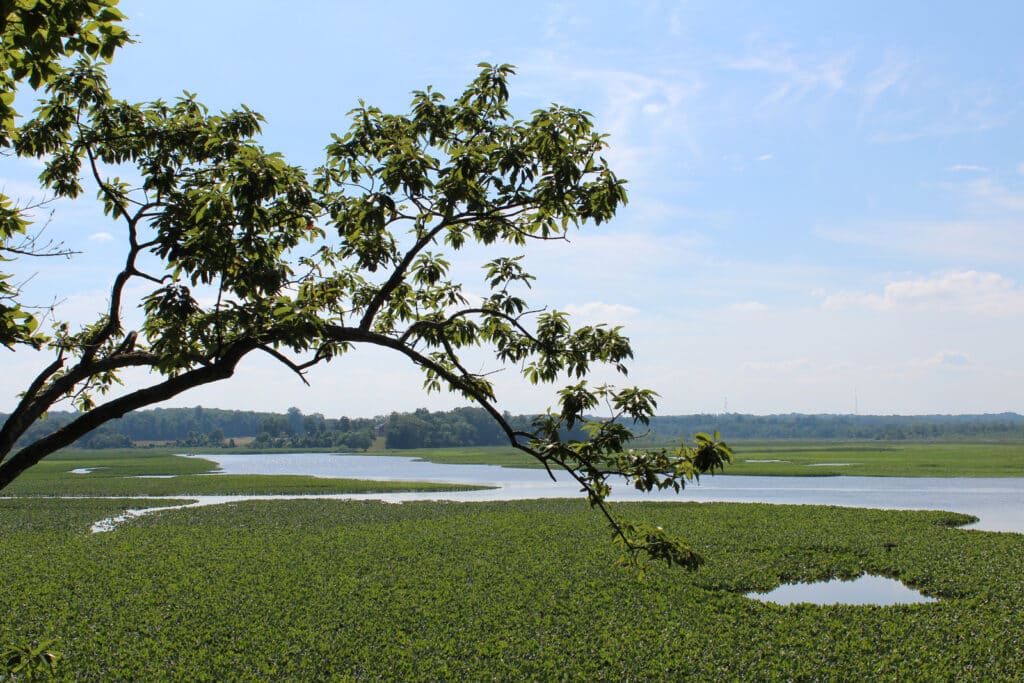
This location is a critical stop for many migratory birds. During spring and fall, the wetlands fill with traveling species. You might see various ducks, swans, and warblers resting here. The sanctuary provides the food and shelter they need for their long journeys. This makes it an exciting place to visit in any season. Every visit offers a chance to see different feathered friends.
Mammals of the Marsh and Forest
Birds are not the only residents you will meet. Look closely along the trails for other animals. You might spot a white-tailed deer peeking through trees. Playful river otters are sometimes seen near the water, especially in the morning. Beavers are also active here, building dams that help shape the wetland. Their engineering work creates new pools and channels for other species.
Smaller mammals also find a safe home in the sanctuary. You may catch a glimpse of a red fox trotting along a path. Raccoons and muskrats are common near the water’s edge. These animals all rely on the protected space that the Jug Bay Wetlands Sanctuary provides. It is a safe home where they can feed, raise their young, and thrive.
Reptiles and Amphibians in a Wet World
The life here extends to reptiles and amphibians as well. The wet, marshy environment is perfect for these creatures. On sunny days, you can see turtles basking on logs along the river. Many different species, like the eastern painted turtle, call this place home. Northern water snakes are often seen swimming gracefully through the marshes. They are harmless and interesting to observe from a distance.
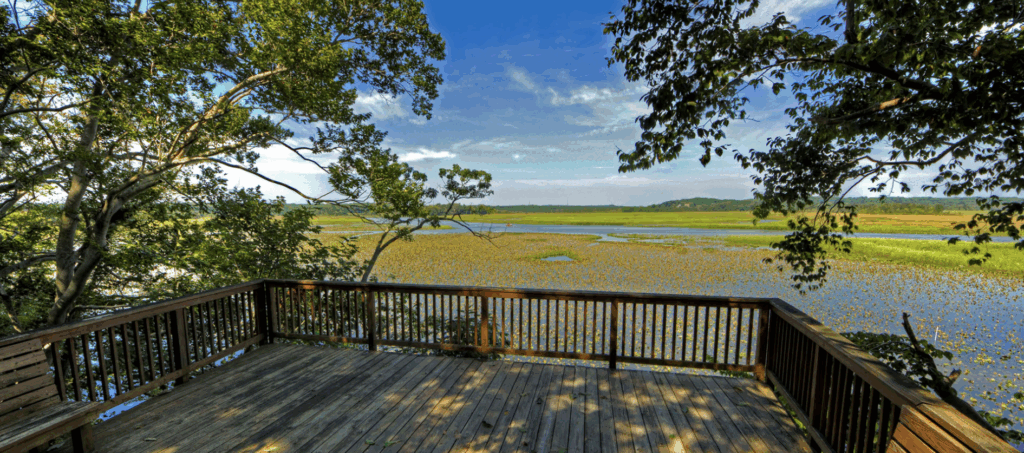
Listen for the sounds of the wetlands, especially after rain. The calls of different frogs and salamanders fill the air. The American bullfrog has a deep, booming call you can hear from far away. These small creatures are a vital part of the food web. They show that the wetland is a healthy and balanced system.
A Living Laboratory for Science
This location is also a very important center for scientific research. It is a component of the Chesapeake Bay National Estuarine Research Reserve System. Scientists from all over come here to study the wetland ecosystem. They monitor water quality, track animal populations, and study the plants. This research helps us better understand how wetlands work. It provides valuable information for conservation efforts everywhere.
The knowledge gained at Jug Bay Wetlands Sanctuary helps protect similar habitats globally. When you walk the trails, you are walking through a research site. You might see scientific instruments placed in the marsh. These tools collect data on water levels, salinity, and temperature. This adds a unique educational part to your trip. You can see science in action.
Exploring the Sanctuary’s Trails
Getting close to nature is easy at the Jug Bay Wetlands Sanctuary. The park has miles of trails for you to explore. These paths take you through different habitats, from forests to marshes. A main feature is the wonderful boardwalk that goes out over the water. This allows you to walk above the marsh without disturbing it. You can get amazing views of the river and see wildlife up close.
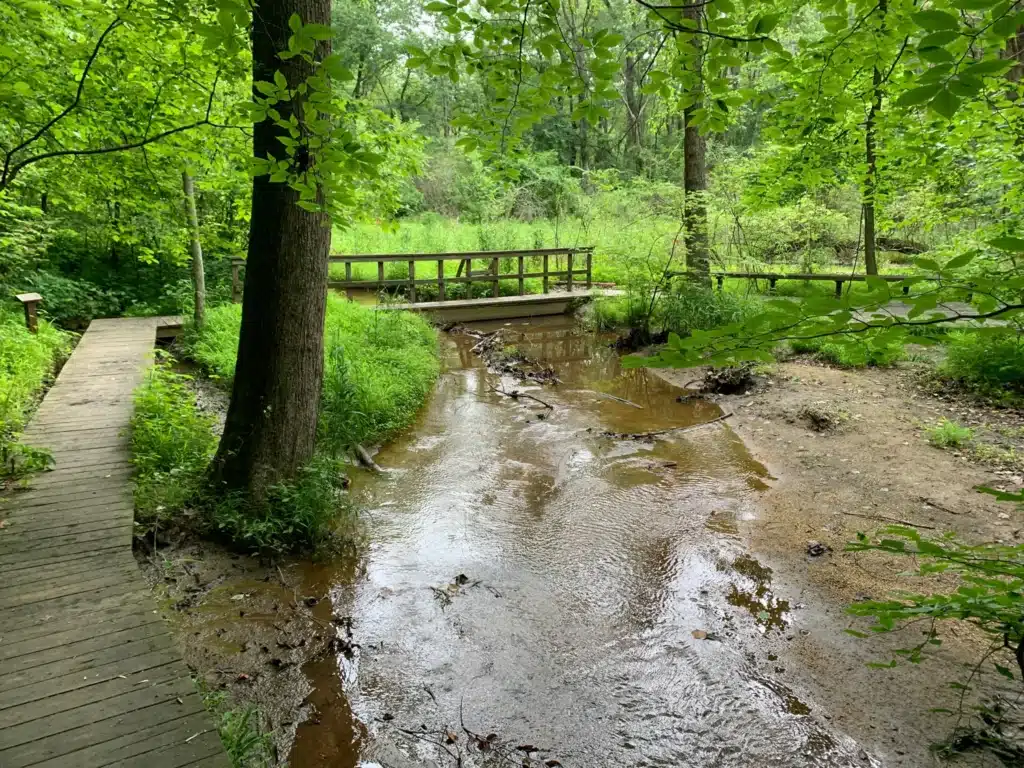
The trails are well-marked and suitable for all ages. They offer a relaxing walk through a beautiful landscape. Benches are placed along the way for you to rest. You can sit and listen to the sounds of nature around you. The sanctuary also has an observation tower. Climbing it gives you a stunning panoramic view of the entire wetland area.