

You should visit the Annapolis maritime museum and park in case you are interested in history or nature or any other form of getting to know the rich history of the Chesapeake Bay. This cultural gem is located on a beautiful waterfront and lets people learn about the area’s maritime history while also recognizing its ecological importance. The museum is very informative to both the young and the older generations who may be either learning about the boats, watermen, harvesting of the oyster or the fragile ecosystem of the Chesapeake Bay.
The museum merges technology and tradition with award-winning exhibitions and interactive displays. Virtual reality, hands-on activities, and narrative strongly depict the traditions and struggles that shaped this historic region. The Annapolis Maritime Museum and Park is a unique opportunity that allows families, lovers of history, and environmentally concerned people to experience the past and the present in a very exciting and educative way.
Let’s get deep insights into interesting and educational things to do in Annapolis Maritime Museum with Zavros Place!

One Museum, Two Campuses: Know Before You Go
There are two different campuses that make up the Annapolis Maritime Museum & Park. Each one offers guests a different experience:
Museum Campus
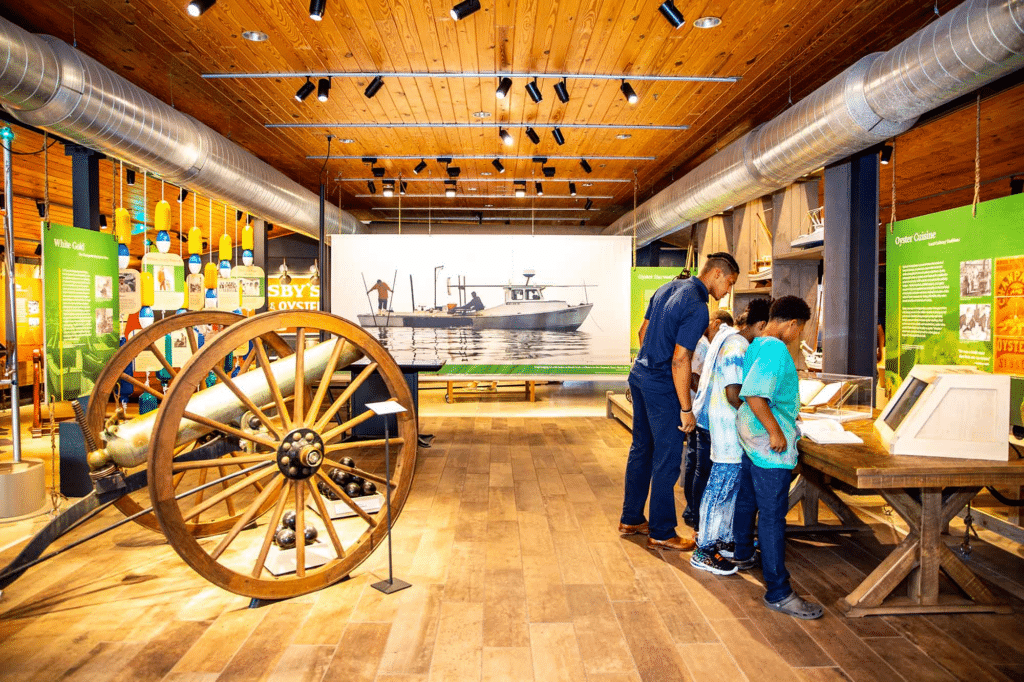
There are a lot of indoor exhibits at 723 Second Street, which is where the Museum Campus is. This campus contains the latest virtual reality elements, permanent maritime exhibitions, and interactive galleries that bring tourists to the history of the Chesapeake Bay and its ecological significance. You can learn about the history of the water in this area, from the legacy of the watermen to the Bay’s role in the economy and ecology of the area.
If you want to learn more about Bay history, the museum’s objects, models, and old photos can teach you about how life in the Chesapeake changed over time.
Park Campus
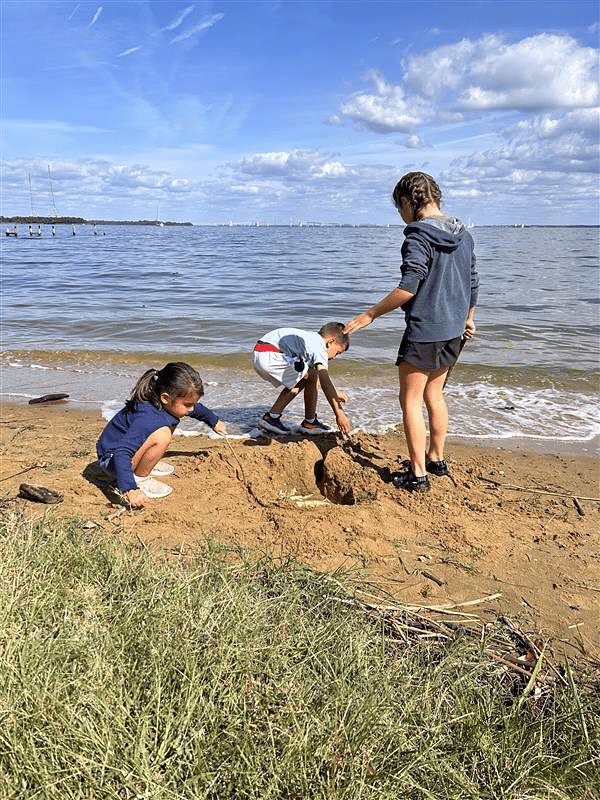
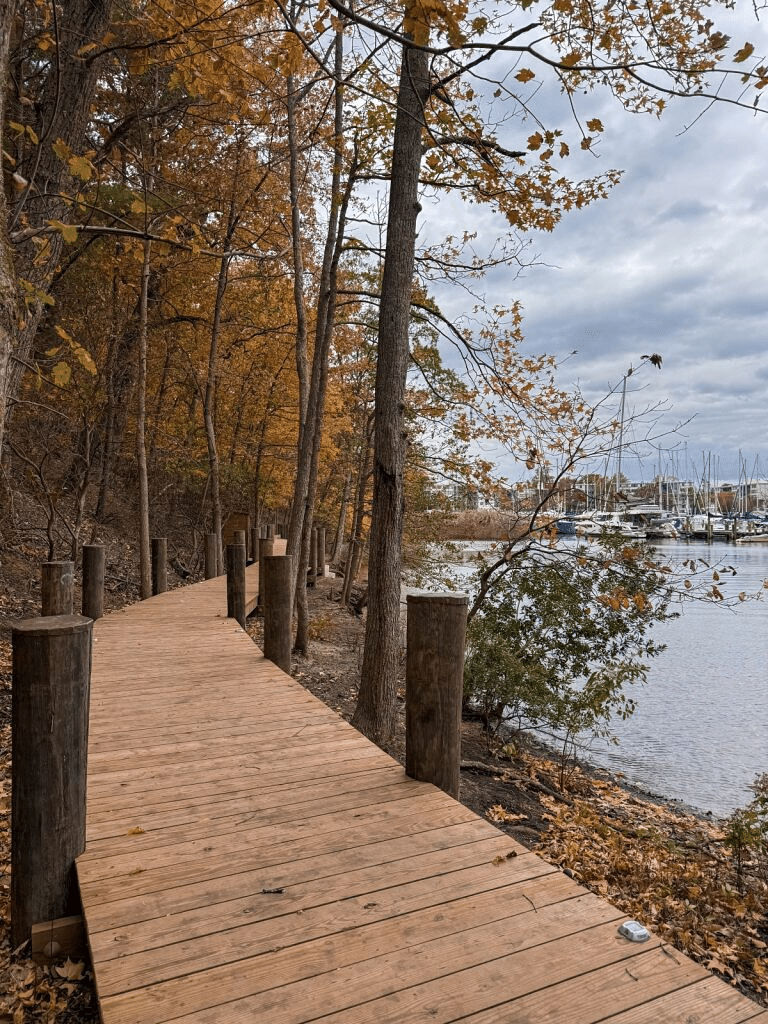
The Park Campus, which is at 7300 Edgewood Road, is a great place to learn and explore outside. This area lets people get close to the natural environment of the Chesapeake Bay through beautiful waterfront walks, educational outdoor areas, and a living shoreline. You can take a walk on the trails, have a picnic by the water, or take part in environmental projects that you can do with your hands.
You can also connect with nature on the Park Campus by swimming or going on nature walks during certain times of the year.
Hours, Admission, and Accessibility
- The Maritime Museum Annapolis is open from 10 a.m. to 3 p.m., Tuesday through Sunday, but check ahead of time in case the hours change with the seasons.
- Museum members can enter for free, and most of the time, admission is cheap and good for families, with information available for those interested in Annapolis Maritime Museum jobs.
- There is parking on both sites, and both are accessible to people with disabilities.
Must See Exhibits: Where Tech Meets Tradition
Modern technology and marine history are mixed together in a way that makes the Annapolis Maritime Museum a unique and educational place for people of all ages. People can view and participate in exhibitions that show how important the Chesapeake Bay and its surroundings are to culture and the environment.
Interactive Permanent Exhibits
This permanent exhibition brings the Bay’s history to life with over 2,500 square feet of high-tech interactive exhibits, including VR. These fascinating exhibits allow the visitors to engage themselves with the maritime history of the area. Here are some of the main points:
- Watermen and Fishing Traditions: Find out about the daily lives and habits of the watermen who have been fishing in the Bay for generations.
- Oyster Harvesting & Ecological Impact: Learn about the past of Chesapeake oysters and how they affect both local economies and the fragile ecosystem of the Bay.
- Tools, Nets, and Historic Watercraft: Get a closer look at the equipment, nets and historic boats that watermen work with such as nets and dredges. There are also models of historic boats that have been sailing the Bay for hundreds of years.
For anyone interested in Chesapeake Bay customs and ecology, this interactive exhibit is ideal.
Collections & Research Corner
- For more historical exploration, the Michael F. Miron Oral History Collection gives firsthand stories from local watermen and Bay mariners. These stories highlight the lives of those who shaped Annapolis’s maritime history.
- The museum also has a research library with historical documents, Bay maps, old photos, and community records that can help you learn more about the history of the area. This library is a great place to learn about the history of the Chesapeake Bay for students, teachers, and anyone else who wants to.
Special Art Exhibits
The museum has both history exhibitions and rotating art shows that look at how maritime life and Chesapeake Bay culture are connected. The artists in these exhibitions are from the Bay Area and capture its beauty, difficulties, and history.
The museum makes sure that its exhibitions change with the artistic spirit of the community by working with local artists and community groups. These art shows, which include paintings, sculptures, and photos, help people see the Bay in fresh and interesting ways.
On the Water: Skipjacks, Lighthouses & Kayaks
The Annapolis Maritime Museum & Park offers a wide range of marine activities on land and in the water. There are many fun and interesting ways to explore the Chesapeake Bay and its waterways, such as the area’s famous historic boats, lighthouses, and eco-friendly kayaking trips.
Skipjack Cruises — Wilma Lee
Among the best things about the museum is the historic skipjack Wilma Lee, which is a traditional oyster dredging boat that offers tourists the opportunity to actually experience the maritime culture of the Chesapeake Bay.
- During public sails, anyone can get on board and help dredge oysters while learning about the local ecosystem and how to control waterways.
- Each cruise includes live storytelling and Bay science education, so people of all ages can have a fun and educational time.
- These cruises happen from April to October, depending on the weather, and are a great way to spend time in the summer or fall.
- You should make reservations ahead of time, especially for weekend sails, which sell out quickly because of high demand.
Thomas Point Shoal Lighthouse
The museum highlights Annapolis’ marine past including the Thomas Point Shoal Lighthouse, which is not on its site.
- Since the late 1800s, this famous lighthouse on the Chesapeake Bay has been a key point of reference for sailors.
- Explore the famous lighthouse on the Bay through museum-organized boat tours or special activities.
- The lighthouse, which is still a symbol of maritime heritage, tells us a lot about the history of waterways in the area.
Kayak & Water Programs
The museum has guided kayaking trips through its Park Campus for people who want to see the Bay at their own pace.
- These eco-kayak tours let people enjoy a peaceful ride through Back Creek while getting a close look at the Bay’s many ecosystems.
- The tours are easy for people who have never been kayaking before. The guides teach basic paddling skills and talk about the wildlife and the ecological value of the Bay.
- These educational tours give people a unique look at the ecology of the Chesapeake Bay while also letting them enjoy its natural beauty from the water.
- Kayak tours are offered during certain times of the year. The museum’s website has information on how to book tours and when they will occur.
2026 Events & Seasonal Highlights
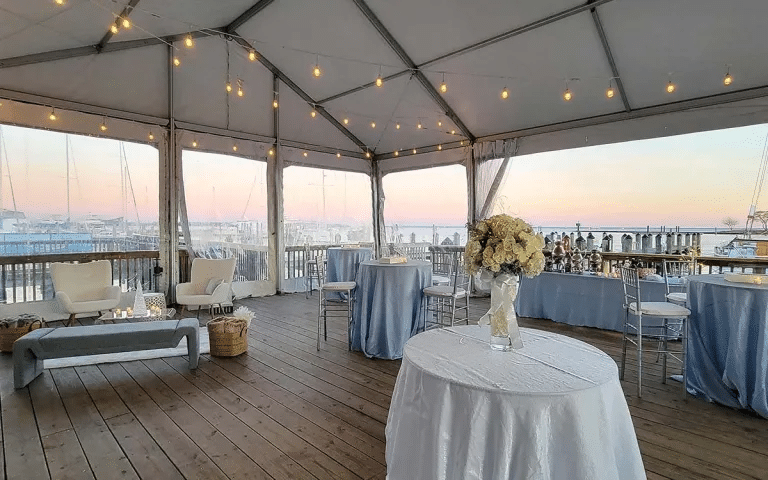
The Annapolis Maritime Museum & Park hosts year-round events that celebrate the city’s maritime heritage and vibrant community, and visitors often ask about Annapolis Maritime Museum wedding cost for private events. There is something for everyone, from lectures and cruises to festivals and hands-on activities in the great outdoors.
Annual & Seasonal Programs
- Winter Lecture Series: From January to March, this series hosts talks by historians, scientists, and maritime experts that cover Bay ecology, watermen’s customs, and the history of the Chesapeake Bay. In February 2026, one of these lectures will go into great detail about efforts to bring oysters back to the Bay.
- Spring and Summer Cruises: Between the month of April and October, the popular Wilma Lee skipjack takes the educational trips into Bay where individuals may get to know about oyster dredging and the unique atmosphere that is the Bay.
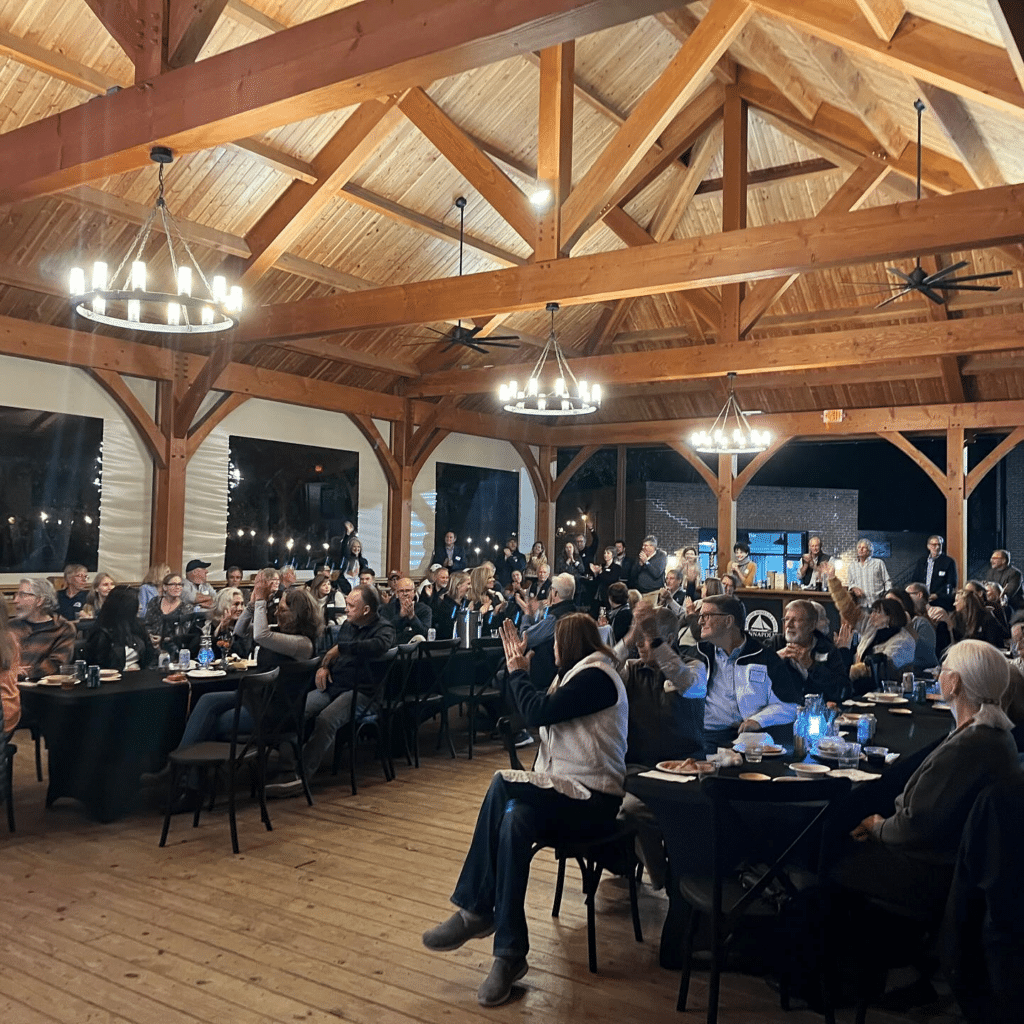
- Oyster Roast & Sock Burning Event: This event happens every winter to honor maritime traditions in the area. It includes music, community gatherings, and fresh oysters, and it marks the end of winter and the start of spring.
- Tides & Tunes, Boatyard Beach Bash, Chesapeake Catfish Cookoff: These are summer and fall community concerts and events with live music, local food, and fun outdoor activities that are great for families and visitors of all ages.
Park Campus Activities
- Spring Nature Walks: Environmental experts lead spring nature walks through the Park Campus. These walks are a great way to learn about the Chesapeake Bay ecosystem and see the live shoreline.
- Summer Camps: The museum has hands-on ecology programs for kids that let them learn about the world while having fun outside.
Best Time to Visit
- From early spring to early fall, when the weather is warm and the Bay is at its most inviting, these are the best times to enjoy the water-based Annapolis Maritime Museum events, like the skipjack cruises and kayak tours.
- Winter Lectures: The Winter Lecture Series is a great way to enjoy the museum’s educational offers without the crowds. It is perfect for people who would rather be inside and quiet.
Insider Tips for a Smooth Visit
Planning Your Time
To get the most out of your trip, you need to carefully plan your time:
- Museum Campus Exhibits: The museum’s permanent exhibitions cover local maritime history, ecology, and watermen customs, so allow one to two hours.
- Park Campus Activities and Water Programs: Return in a few hours for water sports like skipjack sailing or eco-kayaking. You feel more connected to the Bay with these activities.
Annapolis Maritime Museum Parking & Accessibility
- Free Onsite Parking: There are plenty of parking spots at both the Museum and Park sites.
- ADA Access: Both sites are wheelchair-accessible, and key areas have ADA-compliant paths and amenities to make sure that all guests have an easy time.
Weather Considerations
- Wear layers: Since it is near the water, the weather can be chilly. Especially if you are going in the fall or winter, it is smart to bring a jacket and wear layers.
- Outdoor Programs May Be Weather-Dependent: Tours like the Skipjack Sails and Kayak programs depend on the weather, so check the weather and make sure you can go before you leave.
Planning Your Trip (The Logistics)
Hours & Admission
- Annapolis Maritime Museum Hours: The Annapolis Maritime Museum & Park is open from 10:00 AM to 3:00 PM, Tuesday through Sunday. It is always a good idea to check the official website again to see if there have been any seasonal changes or holiday closings.
- Admission Fees: The entry fees are usually pretty low, and there are different fees for people and kids. Members normally enter for free or at a discount to certain events and programs.
Location & Directions
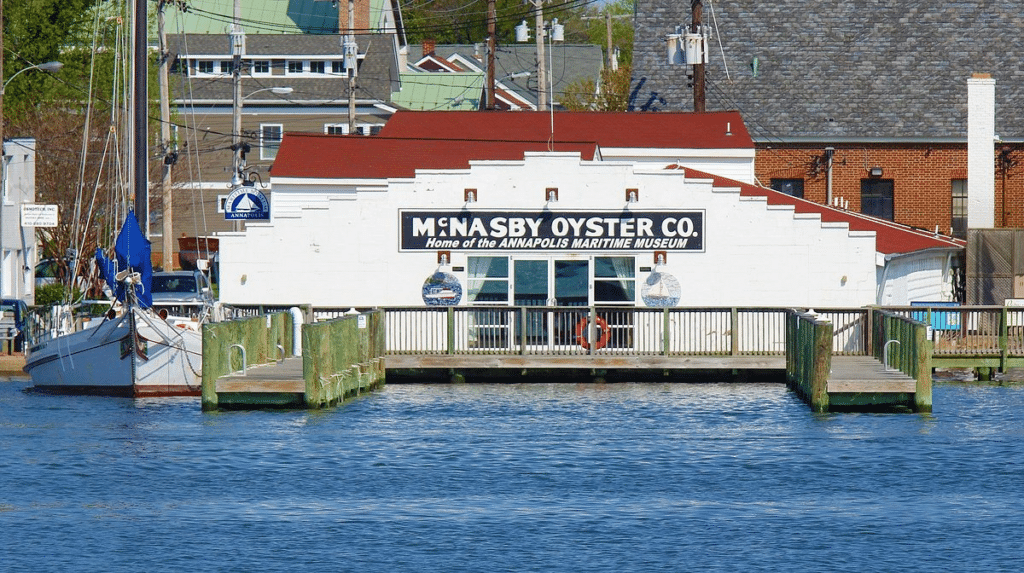
- Museum Campus: This is where all of the museum’s indoor exhibits and interactive displays are located. It can be found at 723 Second Street, Annapolis, MD 21403.
- Park Campus: Located at 7300 Edgewood Road, Annapolis, MD, the museum’s Park Campus gives visitors access to educational events and waterfront trails that take place outside.
Getting There
- The museum is close to the historic district and an easy drive from downtown Annapolis. This makes it handy for both locals and visitors.
- There is on-site parking at both the Museum and Park campuses. There are also public transportation choices close by, such as bus routes and, during busy times, shuttle services.
Nearby Amenities
- After your visit, you can walk to some of Annapolis’s best restaurants, which serve everything from seafood to relaxed food.
- There are also waterfront walks, the Annapolis City Dock, and other nearby sites. This makes it easy to spend an afternoon exploring downtown Annapolis after visiting the museum.
FAQs
Is the Annapolis Maritime Museum pet-friendly?
Animals are usually not allowed inside of museums. On the other hand, the museum’s Park Campus has open spaces where pets on leashes are allowed. This makes it easy to enjoy the nearby water with your pet. Even though Annapolis is mostly pet-friendly, it is still a good idea to check with each place you plan to visit before you go.
Can I launch my own kayak here?
The museum provides kayaking instruction, but Horn Point and Ellen O parks are preferable for public launches. Moyer Nature Park. With easy access to the water, these spots are great for kayaking by yourself.
Is it good for kids?
Yes! It is great for kids to visit the museum. Its hands-on displays, outdoor walks, interactive exhibits, and educational cruises keep kids entertained and learning.
The museum offers camps and educational programs for youngsters, making it an ideal family destination and a fun venue for an Annapolis maritime museum birthday party.
How long should I plan to stay?
It usually takes about an hour to two hours to look at all the exhibits at the Museum Campus. Nevertheless, you must give yourself three to five hours to enjoy all the things that the museum can offer to you in case you are engaging in any water-based activities such as sailboat tours or fishing.
Are skipjack tours included with admission?
No, skipjack tours are not part of normal admission. You need different Annapolis Maritime Museum tickets for these tours, which are only available during certain times of the year. For a great time on the water, make sure to check availability and book ahead of time.
Conclusion — A Maritime Journey Worth Taking
The Annapolis Maritime Museum & Park is an immersive experience of the Chesapeake Bay environment, maritime history, and living traditions. The museum provides activities for all ages, whether you are a history enthusiast, a family in search of an educational vacation, or a traveler seeking something different.
This is a water fun place with hands-on exhibits, which everyone will have something to do, and it is also known as a scenic venue for an Annapolis maritime museum wedding. Plan your trip, sail on the Bay, and discover why this waterfront jewel embodies Annapolis’ nautical spirit.