


Annapolis’s Historic District comes to life on cold January nights, full of the city’s charm. The narrow, brick-bordered streets, old buildings in the Federal and Georgian styles, and softly glowing lights make the area feel cozy. Woodsmoke and the sounds of winter activities along City Dock invite people to slow down and go back in time. In the winter, Annapolis feels like a scene from a different century, especially when the holiday lights are still up in early January.
For many Christians, Christmas lasts for twelve full days and does not end on December 25. It ends with Epiphany and Twelfth Night. Twelfth Night is celebrated on January 5th, the last night of the Twelve Days of Christmas and the night before Epiphany on January 6th. Epiphany celebrates the visit of the Three Wise Men to baby Jesus and other early events that showed Christ.
With its restored 18th-century architecture and bustling festive ambiance, ancient Annapolis is the perfect place to explore this underappreciated holiday season finale. From colorful lights and markets to illuminated historic tours and warm taverns, Annapolis celebrates Christmas through Epiphany in January with a sense of living history.
Let’s explore fun and exciting things to do in Annapolis Colonial Twelfth Night with Zavros Place!
A Deep Dive into History: Why the Colonists Partied Harder than Us
Social Order Upside Down
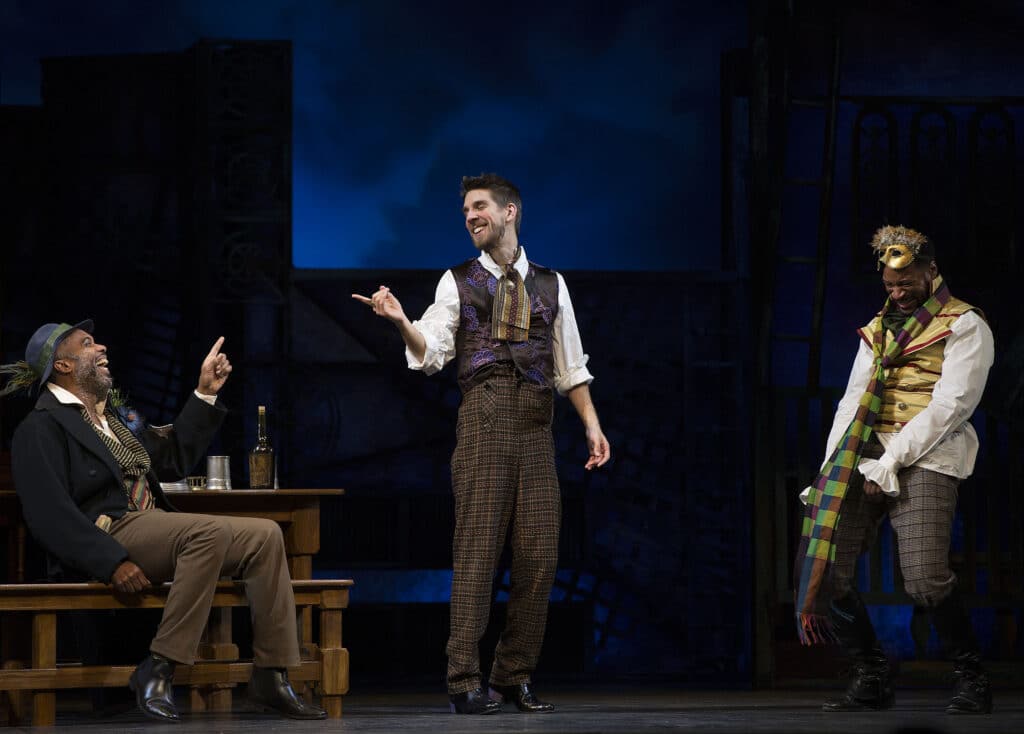
In England and some areas of colonial America, the Lord of Misrule was a time of crazy, chaotic fun on Twelfth Night, the last night of the Christmas season. During this fun tradition, someone (often chosen at random, like by finding a bean hidden in a special cake) would lead the celebrations and briefly turn the social order upside down.
Servants and young people could make decisions, lead songs, or call for games and mischief. This short change in social rules made a holiday that broke the strict class lines that usually controlled life in the 1700s.
The Marriage of Sacred and Profane
“Twelfth Night” combined religious significance with entertaining traditions. Epiphany, the feast day of the Three Wise Men’s visit to Jesus, followed the Twelve Days of Christmas.
Along with this holy practice, families and communities enjoyed feasts, wassails (song and drink sharing), special cakes, and sometimes music and dance. Twelfth Night was a time for spiritual reflection and partying. Over time, this quiet-loud celebration produced joy and criticism.
Maryland Specifics: The Elite of Annapolis
In colonial Annapolis, the Chase-Lloyd House, the Hammond-Harwood House, and other big houses were at the center of social life. These Georgian houses were built in the 1760s and 1770s and owned by important Maryland families with connections to politics, business, and society.
While Annapolis Twelfth Night party records are limited, evidence suggests that elite society used seasonal entertainments like balls, feasts, and gatherings for socializing, courtship, and cultural display. These events could strengthen connections and reflect status beyond holiday cheer.
Event Details: Planning Your 2026 Revelry
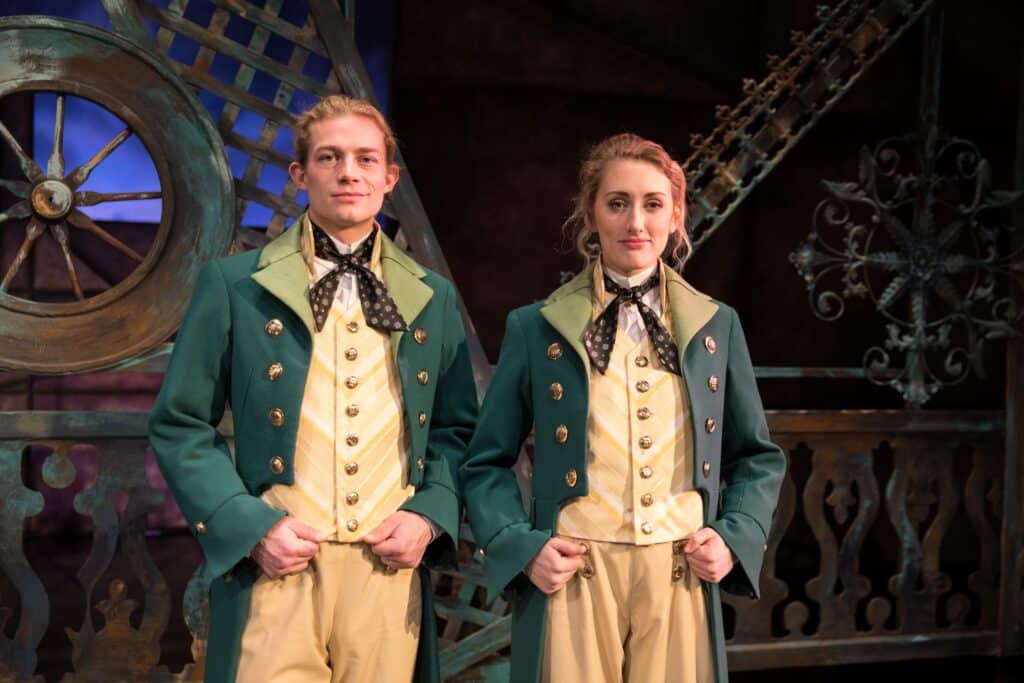
These events take place in fragile, nearly 250-year-old historic chambers, so space is limited and tickets sell out fast. Planning ahead will make your evening more enjoyable.
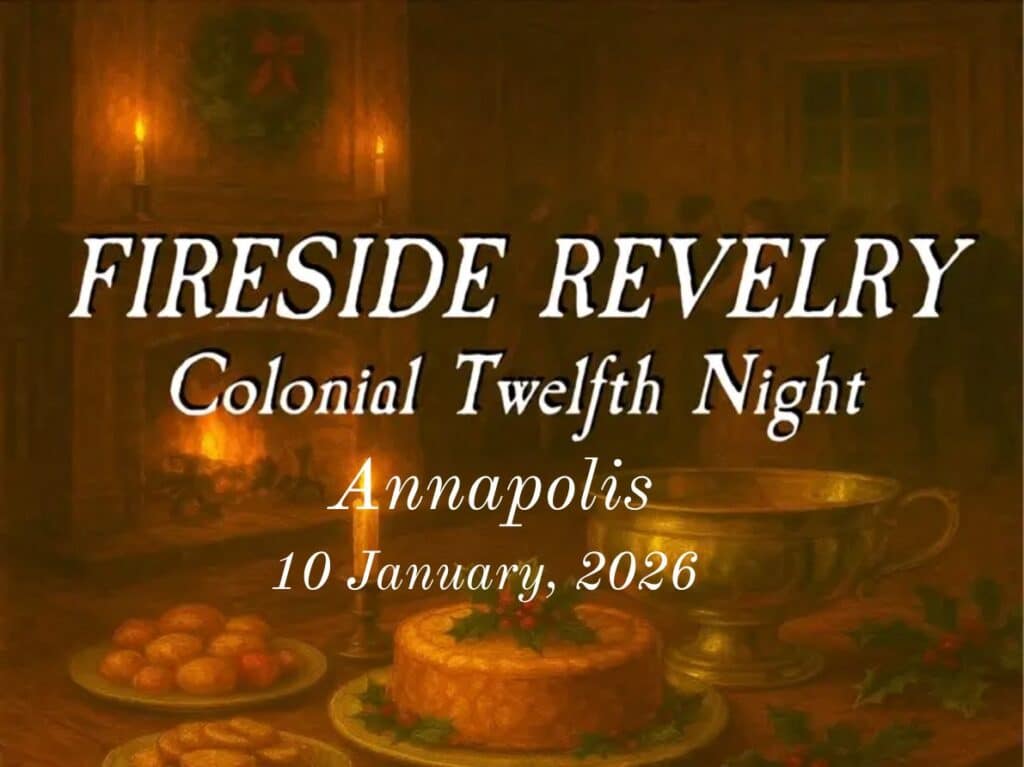
The “Fireside Revelry” show is the heart of the season. It is a candlelit musical experience that makes colonial Annapolis come to life inside the Hammond-Harwood House. This stunningly well-kept building from the 1700s is the right place for seasonal charm, music, and storytelling.
Date: 10 January 2026, Saturday
Performance Times:
To help you plan your visit, here are two show choices:
- Matinee Show: 5:00 PM – 6:00 PM: A shorter early evening event for first-timers or flexible schedulers. Buy Tickets from here!
- Evening Show: 7:00 PM – 9:00 PM: The most popular and highest-selling performance! Book this early if you want the full experience with a longer performance and candlelight. The tickets for this show have been sold out!
Location: The Hammond-Harwood House is located at 19 Maryland Avenue, Annapolis, MD.
Price: Ticket Prices: Usually $65 to $75
The Main Event: “Fireside Revelry” at Hammond-Harwood House
Join us for “Fireside Revelry” at the historic Hammond-Harwood House in Annapolis this year to make your Twelfth Night party unforgettable. In addition to the event, you get to experience one of the most elegant homes in colonial America.
Step Inside the Venue
The beautiful Georgian building of the Hammond-Harwood House, which was built in 1774 and has been carefully protected for more than 250 years, will welcome you when you arrive. For an evening of history and live art, the vast parlor and ballroom, once used for music and festivities, are the perfect backdrop. Many visitors call the house “one of the most magnificent doorways in America.”
The Performance You’ll Hear
You will be close enough to feel each sound as the Empressa Ensemble plays music that people in Annapolis in the late 18th century would have known.
- Music: Guests listen to a variety of colonial-era music, such as English glees from the 1700s, Scottish airs, and works by Francis Hopkinson, who was a famous American musician and signer of the Declaration of Independence. These compositions are based on the musical tastes of educated colonists. They mix formal writing with folk music.
- Spoken Word: Short reads of diary entries from the time and seasonal verses give background information between the music pieces. These excerpts from real colonial works help connect the music to the lives of people in the 1700s, which helps people today feel more connected to it.
The Atmosphere: Candlelight and Intimacy
The ballroom and parlor of Hammond-Harwood House make a warm, cozy space, unlike bigger concert rooms. The ambiance, complete with lights and old-fashioned decorations, is like how people might have heard this kind of music almost 250 years ago. Candlelight against wood paneling, delicate voices, and historically resonant music take guests to a time of sophisticated performance and comfortable, communal joy.
Culinary Stars: The Twelfth Night Cake & Wassail
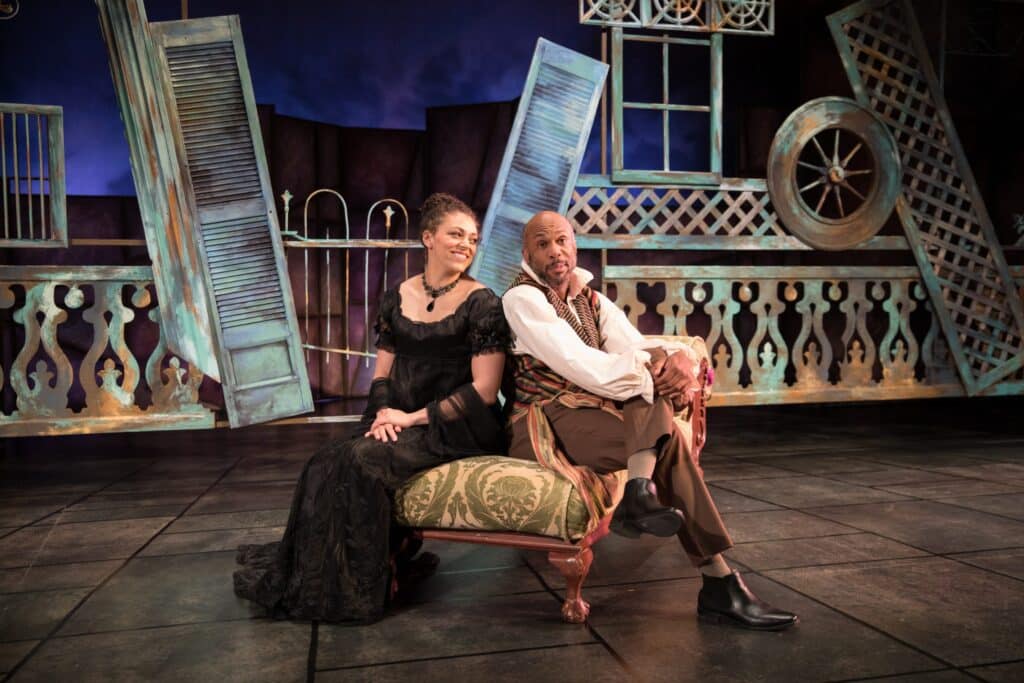
At a Twelfth Night party, the music and candlelight create an atmosphere that makes you feel a certain way, and the flavors create lasting memories. Twelfth Night cake and wassail are the two ancient treats that are most important. Here’s what you’ll taste and why it’s important.
The Legendary Cake
You will probably see a Twelfth Night cake that is rich and full of fruit. This cake is very similar to what we now think of as a standard fruitcake. In the past, these cakes were heavy and smelled spicy. They were often soaked in brandy or sherry.
Some of the American versions were based on recipes from Martha Washington’s family cookbook, which had dried fruit, orange peel, and warm spices. This cake is not just food when it comes to the table; it is part of a ceremony.
The Hidden Treasures Inside
The cake usually has two surprises:
- a bean to pick the King
- a pea to pick the Queen (or Lady/Lord of Misrule)
Anyone who finds one gets crowned for the night, and then there is laughter as the fun “rule-breaking” starts for the rest of the night.
Wassailing: A Toast to Health and Good Fortune
A warm mug of wassail might also be given to you with the cake. This ancient drink is made by mixing spiced cider, ale, or wine and heating them up with apples, citrus, nutmeg, cinnamon, and cloves. Friends would raise their cups and wish each other “waes hael,” meaning “be in good health.” Wassailing fostered singing, toasting, and cheer.
Bringing Tradition Home
If the evening makes you feel creative, you can easily make the same things at home with a simple fruit-filled “king cake” or a pot of spicy wassail cooking on the stovetop. Just like in the 1700s, it is not about being perfect; it is about sharing joy with people you love.
The “Topsy-Turvy” Traditions & Games
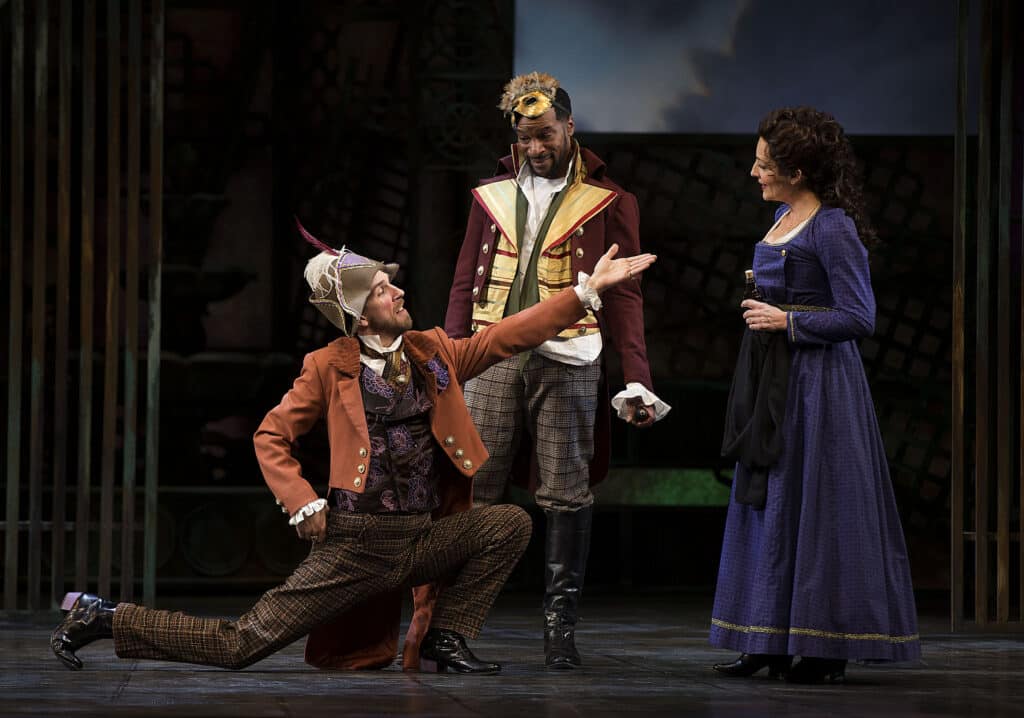
When you join the Twelfth Night festivities, you will find that part of the fun is not just tasting or listening, but also playing, laughing, and following practices that go back to colonial times. Three fun traditions stand out: character cards, the goodbye to holiday greenery, and dance.
Character Cards: Playful Roles for the Evening
The 18th-century character card custom is a historic game that you may come across. At some colonial parties for the twelfth night, guests drew cards that gave them a silly character to play for the night. The titles were caricatures like Signor Croakthroat and Madame Topnote aimed to make people laugh and play.
While you mix and mingle, you may hear people softly make fun of each other and stay “in character.” It is a memory that in the past, community celebrations included some fun and silly acting to make the longest winter nights more cheerful.
The End of the Greenery: Burning the Greens
In the past, the last day for Christmas festivities was Twelfth Night. In the colonies, this tradition was followed strictly. By Epiphany, all Christmas trees, wreaths, and banners had to be taken down, or bad luck was thought to follow. Some communities celebrated “burning the greens” to welcome the new year and make room for new things by removing winter decorations.
At today’s parties, you might hear references to this old custom. This is an interesting way to learn about how people used to celebrate the end and beginning of events with meaningful rituals.
Dancing: The Beat of the Ballrooms
In the 18th century, English country dancing was very important to social life and often came after games and dinner. Group dances with simple steps and fun music were open to everyone. Residents and visitors, young and elderly, participated. The event will teach you how these dances, like music and play in colonial Annapolis, united people of all ages and backgrounds.
Planning Your Visit: An Annapolis Twelfth Night Itinerary
Afternoon: Start with History at William Paca House & Garden
Start your day off with a walk at the William Paca House & Garden called “Holiday Traditions.” William Paca, who signed the Declaration of Independence, lived in this beautifully renovated 18th-century house.
The house often displays seasonal décor and anecdotes about colonial families’ winter festivals, providing background for the evening’s activities. The best way to start your history tour is to take this one in the afternoon.
Twilight: Walk around the grounds of the Maryland State House
As the day starts to fade, walk peacefully to the Maryland State House, the longest state capitol building in the US still being used for official purposes. Its beautiful roof and the colonial streets that go around it look and feel really nice at dusk. Think about the public spaces that shaped early American life before entering a historic evening event.
Evening: Attend the “Fireside Revelry” Concert
The Fireside Revelry at Hammond-Harwood House, your main event, will be the best part of the night. You will enjoy historically inspired music, readings about the season, and the close atmosphere of a colonial sitting room with candles lit here. When you arrive with the day’s history fresh in your thoughts, you feel more connected to the experience.
Dinner: Historic Flavors to Cap the Night
The colonial vibe continues with dinner at one of Annapolis’ historic taverns after the event. Middleton Tavern and Reynolds Tavern serve classic food in historic settings. Raise a glass to a day well spent, full of culture, custom, and community.
The Modern Legacy: Why We Still Celebrate
Before you go to Annapolis for Twelfth Night, think about why this kind of event is important today. These celebrations are more than just reenactments of historical events. They connect us with community, craft, and something timeless within ourselves.
Preservation of Craft
Attending activities at Hammond-Harwood House or the William Paca House supports these living museums. Public participation helps these historic homes retain architecture, music, and customs. You help take care of the places that tell America’s early stories when you join a performance or tour of Twelfth Night. Your presence brings life to these buildings and the art of the work they represent.
Connecting with the Past
Connecting with the Past: In today’s world, which moves very quickly, we almost never have time to slow down and be fully present. You are invited to do exactly that during Twelfth Night parties. By candlelight, listening to centuries-old music, or drinking wassail with pals, you may escape the hustle and discover something deeper.
A lot of psychologists talk about the benefits of “slow” routines. They help people think about things, connect with others, and feel like they are part of something bigger. When you follow these practices, you do not just see history, you feel it.
The 250th Anniversary Context: A Milestone Year
This year is an important one, as it is the 250th anniversary of important events in American history. This Semiquincentennial is being celebrated in events all over Maryland. The name means “250th anniversary,” and it marks the start of our country’s 250-year history. In this case, Twelfth Night turns into more than just a holiday celebration; it becomes part of a bigger story of memory and cultural history.
Conclusion: One Last Toast
As the candles burn down and the last music notes fade away, the feeling of a Twelfth Night party stays behind, not the history. There is warmth in the room’s glow, mischief in the laughter that accompanies a crowned “Lord of Misrule,” and quiet joy in knowing that humans gathered this way centuries ago. For one night, you are free to go to a place where custom, humor, and community meet over food, song, and story.
You can enjoy the magic of the night even if you do not know all the details about the history. All you need is to be open to the music, the people around you, and the easy joy of slowing down. Twelfth Night tells us that winter is not just cold and dark; it can also be bright and fun, with people celebrating together.
If this interests you, do not wait too long; events for Twelfth Night in Annapolis often sell out fast, especially the music and tours of houses. Plan ahead and ask a friend to join you for the evening. When you go home, light a candle, share a cake, toast, and let some mischief into your living room.
After all, custom lives on not because it is old, but because we choose to step into it again and again.