


People come from all over the East Coast to see the dramatic geology and enjoy the outdoors at Calvert Cliffs State Park in Lusby, Maryland. It is one of the most unique natural sites on the Chesapeake Bay. A long, rough shoreline with tall coastal cliffs formed between 10 and 20 million years ago when this region was immersed beneath a warm shallow sea is protected by the park. Wooded pathways and a sandy beach are also present.
What really makes Calvert Cliffs stand out is that it is a world-famous fossil hotspot. Scientists have found over 600 different types of fossils from the Miocene era. These fossils include old shark teeth, marine shells, and other prehistoric things that wash up on the shore. This is why fossil digging is the main reason many people come.
But Calvert Cliffs is not just about fossils; it is also a great place to hike through woods and wetlands, see wildlife, and enjoy beautiful views of the Bay. You will find out about the best places to look for shark teeth, hike, and plan your trip with these helpful facts by Zavros Place.
Let’s get deep insights into fun and interesting Calvert cliffs state park maryland things to do!
The Main Event: Fossil Hunting at Calvert Cliffs State Park
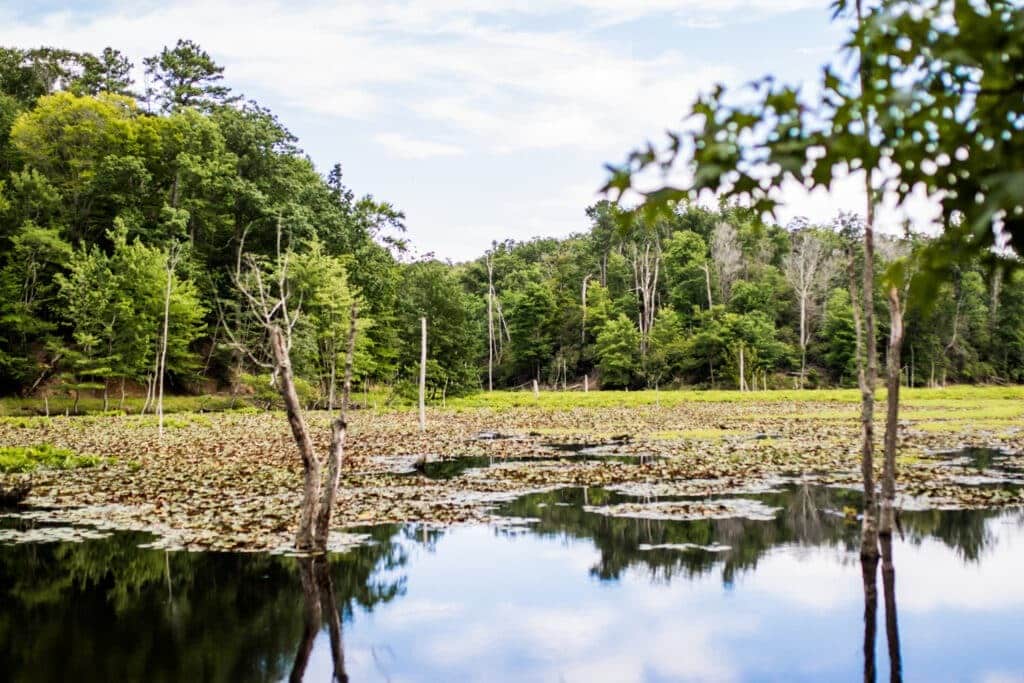
For many people, the main reason they go to Calvert Cliffs State Park in Lusby, Maryland, is to look for fossils. The Chesapeake Bay shoreline exposes sedimentary rock strata from the Miocene, a warm shallow sea rich in marine life, 15–18 million years ago. The erosion of these old deposits keeps revealing fossils of prehistoric animals. This makes it a great place for fossil hunters of all kinds.
What You Can Find
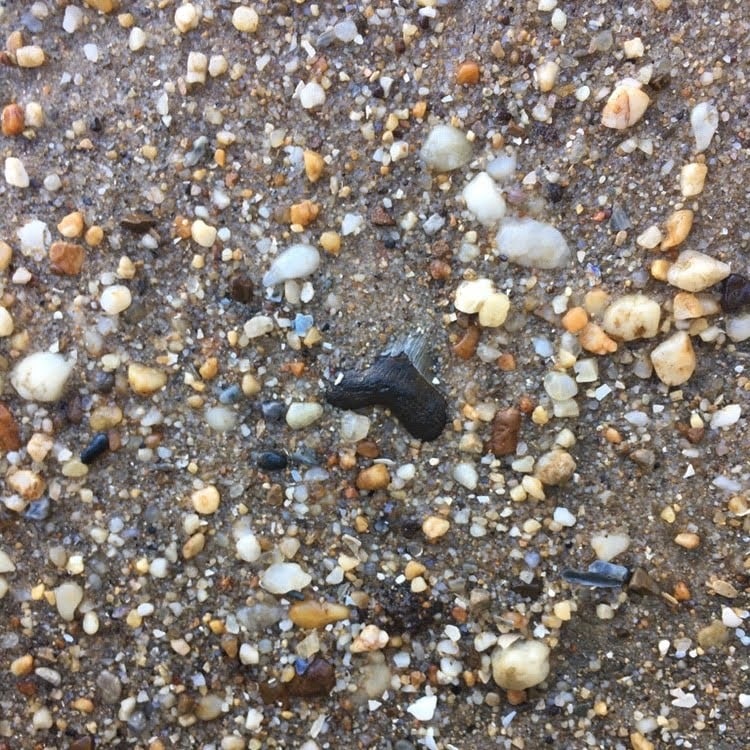
In addition to sand shark teeth, shark teeth from other extinct species are the most sought-after fossils at Calvert Cliffs. Smaller teeth are common, although visitors occasionally encounter larger teeth like Megalodon. You can find other Miocene fossils besides shark teeth, such as
- Miocene marine shells and mollusks
- Oyster and clam fossils
- Small vertebrate bones
These are among the 600+ fossil species found in the cliffs’ sedimentary deposits.
Where to Look—and What’s Allowed
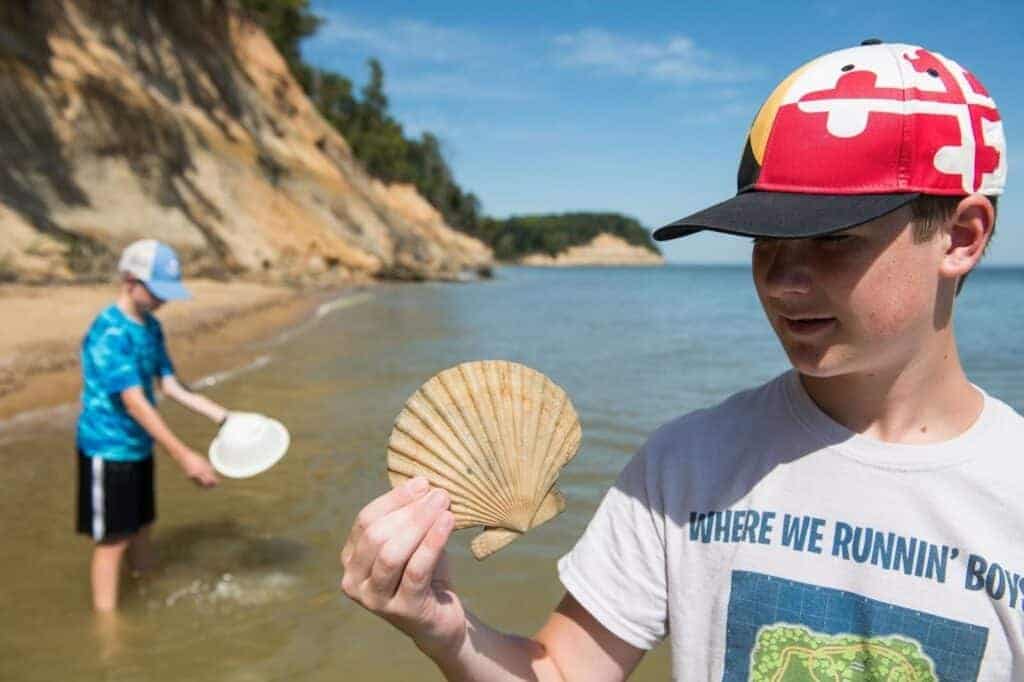
At Calvert Cliffs, people look for fossils on the beach, not on the rocks themselves. The Red Trail leads collectors to the shoreline. It is about a 1.8-mile walk from the main parking lot to the bayfront. Once you get to the beach, you can dig for fossils in the sand and the water, where the waves wash them up.
Important safety and legal notes:
- Do not climb up or down the hills. These places are off limits because of the risk of landfalls and erosion.
- It is against the law to dig into cliffs or bluff walls. You can only collect on the beach’s surface.
Fossil Hunting Tips
- Go there when the tide is low. From the shore, you can see more beaches and rocks along the wave line.
- Can be useful after storms. Unusual weather stirs up silt and reveals new material.
- Bring a small screen or sifter to help you look for tiny teeth in the sand and rocks.
- Calvert Cliffs lets fossil hunters of all levels explore Earth’s ancient past. For a safe, successful trek, follow park restrictions.
Calvert Cliffs State Park Maryland: Things to Do
Calvert Cliffs State Park is not just a place to look for fossils. This park on the Chesapeake Bay has a lot of different things to do, like hiking through forests, resting on a sandy beach, watching wildlife, having a family picnic, or enjoying Calvert cliffs state park maryland fishing along the shoreline.
Hiking Trails & Scenic Walks
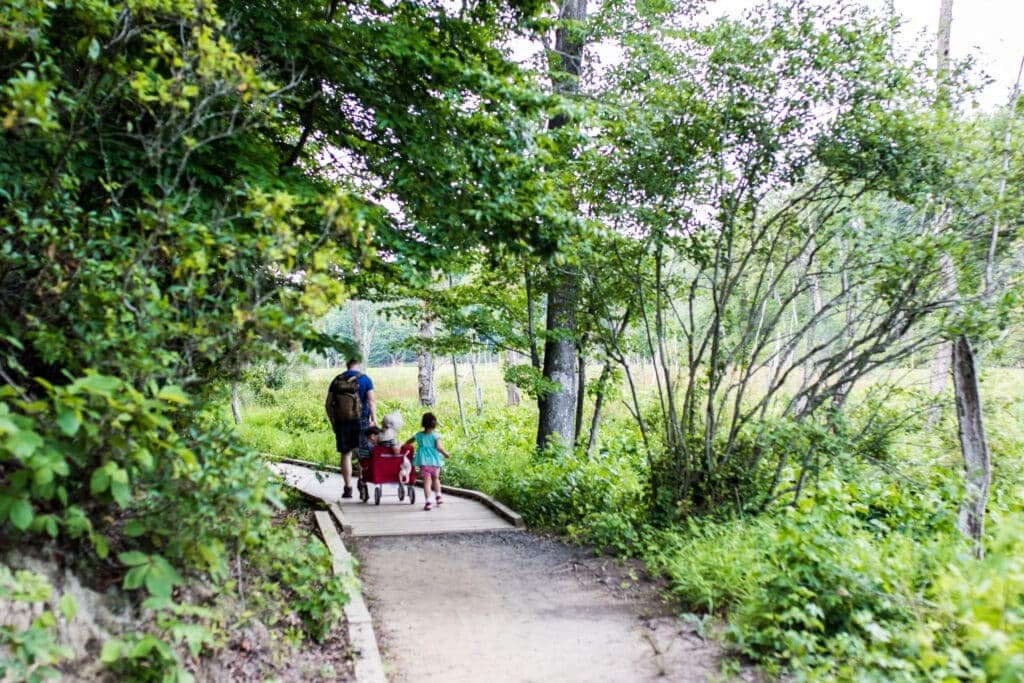
Walking through the park’s different areas is one of the best ways to see them. There are named hiking trails in Calvert Cliffs State Park that go through forests, wetlands, and creek valleys for about 13 miles. These trails are good for people of all skill levels. They range from short nature walks to longer loop hikes that show off the park’s natural beauty.
- Red Trail: This 1.8-mile path from the parking lot to the sandy beach on the Bay is the busiest route.
- Loop Options: For those who want a wider range of trails, the Red/Orange Loop and the Yellow/Blue/Red Loops are longer options.
When you go hiking, the conditions change with the seasons. Some trails can be rough or muddy, so make sure you have durable shoes.
Beach & Relaxation
There is a quarter-mile stretch of grassy beach at the end of the Red Trail where many people like to look for fossils, relax by the water, or swim in the Bay. You can swim, but there are not any lifeguards on duty, so do anything in the water at your own risk. Also, the beach is a great spot for taking pictures and enjoying the beach vibe.
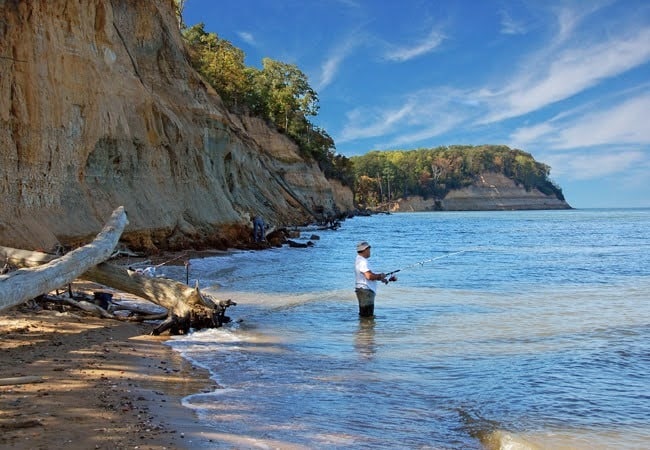
Picnicking & Family Areas
Picnic tables and a recycled tire playground are adjacent to the parking area, ideal for families and visitors seeking shade and refreshment. The park is a great place to go on a trip with family or friends because picnic shelters can often be reserved for large groups.
Nearby Natural Spots
Flag Ponds Nature Park, which is only a short drive south, has its own sandy beach, observation platforms, and more fossil hunting and beachcombing possibilities. It is a shorter walk to the beach, and it has more natural variety.
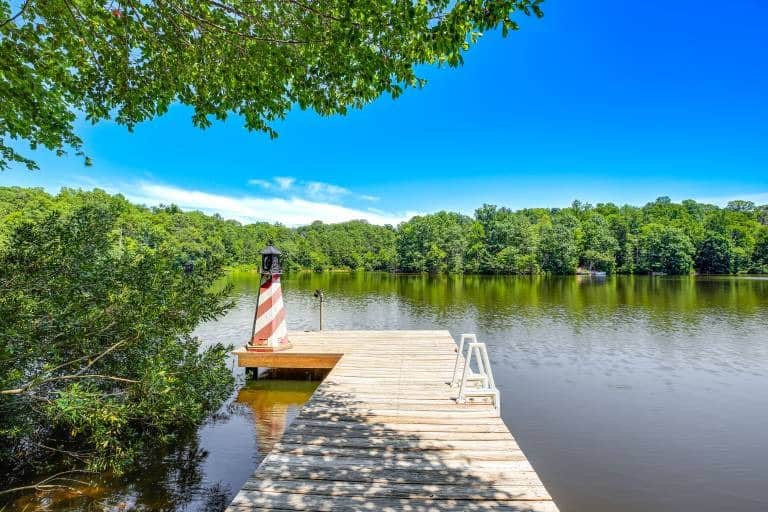
Wildlife Spotting & Park Photography at Calvert Cliffs State Park
Calvert Cliffs State Park is not just a fossil hunter’s dream, the park’s many habitats are home to an amazing range of animals and make it a great place to take pictures of nature and capture memorable calvert cliffs state park photos. The park’s more than 1,000 acres of forest, wetlands, marsh, and shoreline make for diverse habitats that are home to many species all year.
Birds & Wetland Wildlife
- Birdwatching: Visitors can see more than 160 different kinds of birds in the park. Along the beach and tidal marsh, birdwatchers may see great blue herons, egrets, ospreys, gulls, and migratory shorebirds.
- Wetland dwellers: Marshy boardwalks sometimes feature herons wading in cattail fringes or ducks resting in shallow water.
Forest & Marsh Creatures
- Small mammals: Beavers and muskrats inhabit wetter paths, while forested areas may hide squirrels and other woodland creatures.
- Reptiles and amphibians: Turtles enjoy logs, while frogs and dragonflies thrive in park ponds and marshes.
Photography Tips
- Golden hours: The bay and rocks get beautiful light at sunrise and sunset, which is great for taking pictures of landscapes.
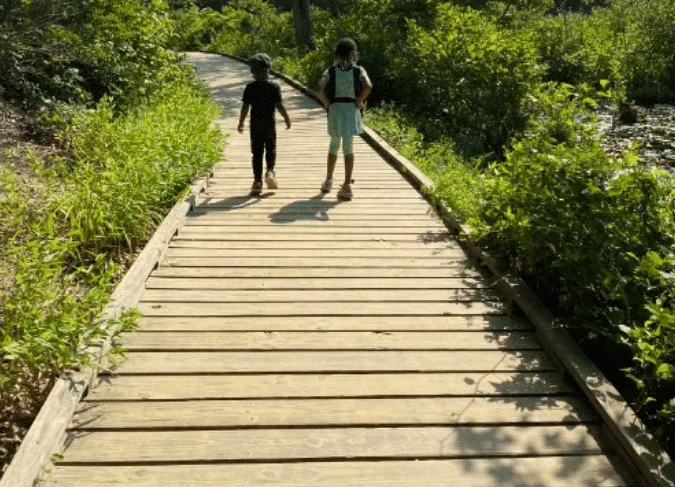
- Trail vantage points: Wooden paths in wetlands provide animal views without disrupting habitats.
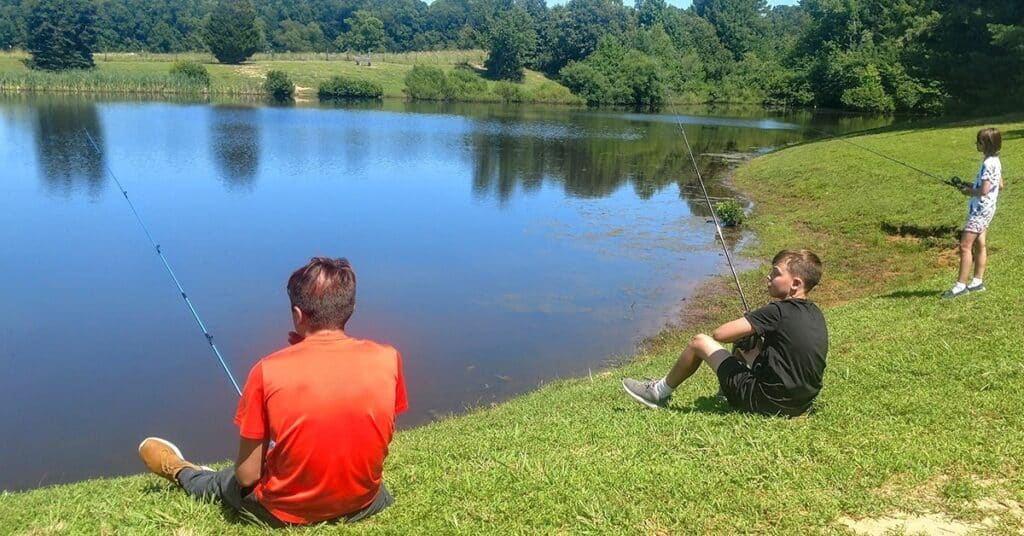
Logistics: Calvert Cliffs State Park Map & Access
It is easier to plan your trip to Calvert Cliff State Park if you know how to get there, how much it costs, what trails are there, and where to park. You can get there and make the most of your day with this clear plan.
Location & Hours
- Address: 10540 H.G. Trueman Rd, Lusby, MD 20657, in Calvert County on the western shore of the Chesapeake Bay.
- Hours: All year, the park is open every day from dawn until dusk.
Entry Fees & Reservations
- Day use fee: $5 per vehicle for Maryland residents and $2 per vehicle for tourists from other states. Usually, you can only pay cash at the park entrance box for fees.
- On busy weekends and holidays, you may need to make a reservation through the Maryland State Parks day use ticket system ahead of time.
Trails & Park Map
- It takes about 13 miles to walk around the park’s named trails. The Red Trail leads directly to the beach, and there are also several loop trails that go through forests and wetlands.
- You can get a free PDF of a full Calvert cliffs state park maryland map from the Maryland DNR website. This can help you plan hikes or find trailheads before you go.
Parking & Tips
There is parking near the trailheads, but spots can go quickly on weekends, especially when a lot of people are looking for fossils. Getting there early can help you find a spot before it gets crowded.
The Truth About Calvert Cliffs State Park Camping
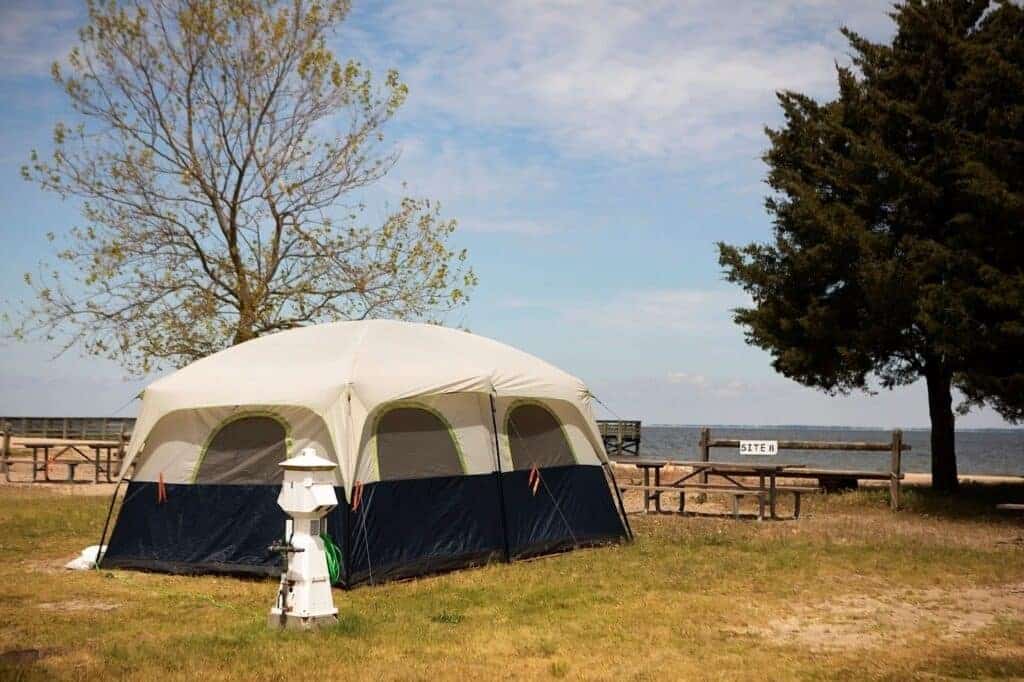
Before you plan your trip to Calvert Cliffs State Park, you should know that camping is not usually available as a normal campground for families or single guests. People can stay overnight in the park, but most people only visit during the day to hike, look for fossils, and explore the beach.
Official Camping Policies
- No standard public campground: Calvert Cliffs State Park does not offer normal tent or RV camping sites for visitors. In other words, there will not be normal campsites, hookups, or RV pads like at a lot of other state parks.
- Camping for youth groups: There is a small area inside the park for camping for youth groups with rustic sites that needs to be reserved and has a registered youth group pass. These sites are simple and are better for organized groups than for single camping.
Nearby Overnight Alternatives
If you would like to stay the night, here are some great choices near by:
- Breezy Point Beach & Campground: This campground has standard seasonal camping right on the Chesapeake Bay. There are sites with water views, bathrooms, and showers.
- Regional Cabins and Rentals: Matoaka Beach Cabins and other vacation rentals close to Lusby are nice places to stay that are close to Calvert Cliffs beaches and walks.
Calvert Cliffs State Park Reviews: What Visitors Say
Here are some real reviews of Calvert Cliffs State Park from people who have been there, including both good and bad things. This will help you decide what to expect before you go.
Positive Highlights
A lot of people who visit the park love its walks and scenic natural beauty:
- The Red Trail and other paths are well-kept, have trees for shade, and let hikers enjoy views of forests and marshes on their way to the beach.
- Reviewers also say that the beach and rocks are a peaceful place to spend a day in nature, and that the sounds and sights of the Chesapeake Bay often make the trip more enjoyable.
- Families and groups say it can be a great place for a relaxing outdoor trip because there are picnic tables, lots of open space, and beautiful views of nature.
Constructive Critiques & Things to Know
Not all visitor feedback is good, and it is helpful to know what the park can not do:
- It takes almost two miles to walk to the beach, which can be hard for some guests, especially those who have kids or pets.
- Several reviews talk about a small beach area that can get crowded during busy times and does not have much space to move around.
- A few users say they saw mosquitoes or flies near the water or trails, so in the summer, it is best to bring bug spray.
- Visitors may experience that shark teeth and fossils are scarcer than expected, making a “great find” doubtful.

FAQs
Can You Swim at Calvert Cliffs?
Yes, but you swim at your own risk because there are no lifeguards and no pools. It is better to wade or dip your feet in the water at this small beach.
When Is the Best Time to Find Shark Teeth?
The best times are when the tide is low and after a storm. You can also find new fossils in the winter and early spring, when bad weather brings them to the surface.
Are There Restrooms on the Beach?
If you need to use the restroom, there are facilities at the park’s gate and temporary toilets by the beach.