

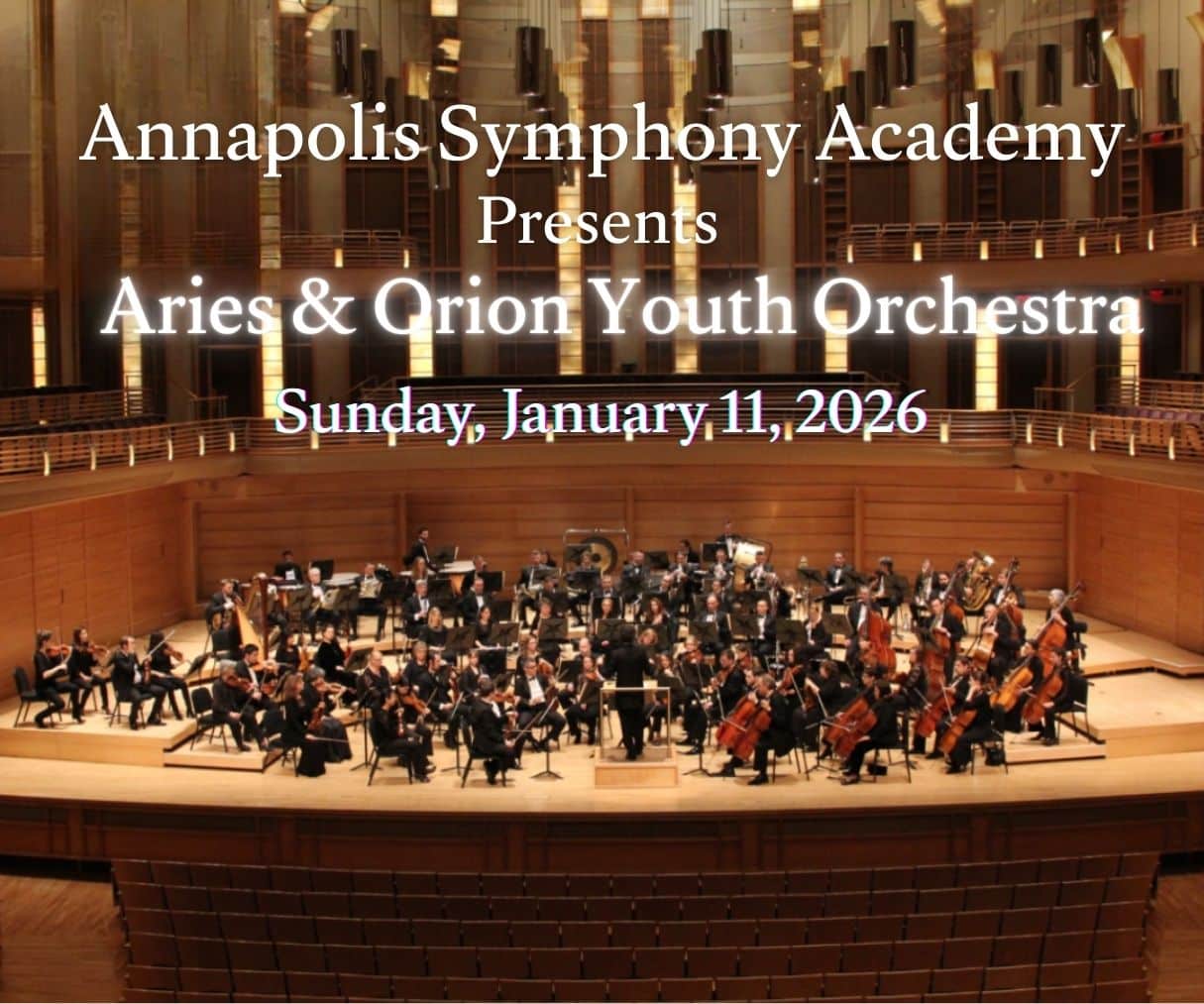
In winter, Annapolis has a special quietness. The cool air comes from the Chesapeake Bay, and the city moves from the holiday fun to a “season of practice,” which is like a quieter and reflective version of Christmas. The lights dim as the long nights of January settle in. During this calm, there is a certain feeling of excitement: students are tuning their instruments in rehearsal spaces, teachers are giving advice, and people in the crowd are moving with curiosity about what will happen next.
The Annapolis Symphony Academy (ASA), the best teaching part of the Annapolis Symphony Orchestra, is at the heart of this change in season. ASA offers a high-quality music education that focuses on community involvement, success, and inclusion to kids from early childhood through high school. Its goal is to change lives through music by providing group training, private lessons, workshops, and chances to perform.
These offerings show a dedication to helping artists of all cultural and economic backgrounds grow. Students can play symphony and chamber music all year round in the Academy’s groups, from beginner bands to the advanced Orion Youth Orchestra.
Many students work directly with professional ASO musicians, which gives them a unique look into how artists work and how professional musicians do their jobs. This system of mentorship builds a lively community of music lovers and teachers while helping young artists build their skills and confidence.
Let’s know more about fun things to do in Annapolis Symphony Academy Winter’s Aries & Orion Youth Orchestra Winter Concert event with Zavros Place!
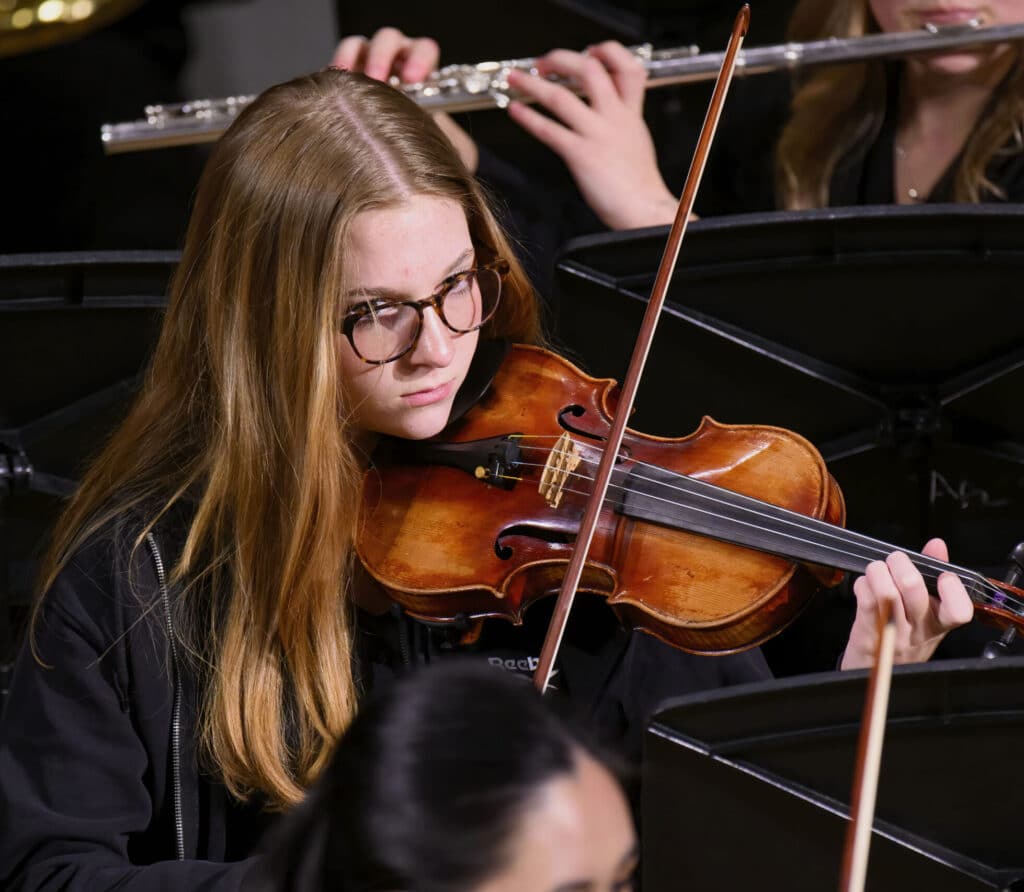
Event Details and Logistics – When and Where
Primary Event
Aries & Orion Youth Orchestra Winter Concert
- Date: Sunday, January 11, 2026
- Time: 5:00 PM
- Location: The event will be held at Maryland Hall for the Creative Arts, 801 Chase Street, Annapolis, MD.
The big event for this winter is an exciting orchestral concert at Maryland Hall, a well-known performance space in downtown Annapolis. The concert features two of ASA’s most advanced groups, the Aries Youth Chamber Orchestra and the Orion Youth Orchestra. With the help of skilled ASO musicians, these groups put together a dynamic program that shows off the Academy’s high level of training and musical success.
Cost and Ticketing: There is no charge and no passes are needed. This event is free and open to everyone, with general seating for first-come, first-served, which shows ASA’s dedication to making community arts available to everyone.
Secondary Events
Virtuoso Pathway Individual Recitals
This winter, ASA’s Virtuoso Pathway students, advanced performers who are working hard to improve their skills, will also have solo recitals during the season:
- Dates:
- January 25, 2026 (Sunday)
- February 8, 2026 (Sunday)
- Performance Times: at 3:30 PM and 6:45 PM on each date.
- Location: Temple Beth Shalom, 1461 Baltimore Annapolis Blvd, Arnold, MD
ASA students at various stages of development perform a variety of solo material in these recitals.
Free & Community-Focused: These recitals are free and open to everyone, just like the winter orchestra show. They help ASA reach its goal of getting the community involved and making music available to everyone. Apply here!
The Program & Repertoire
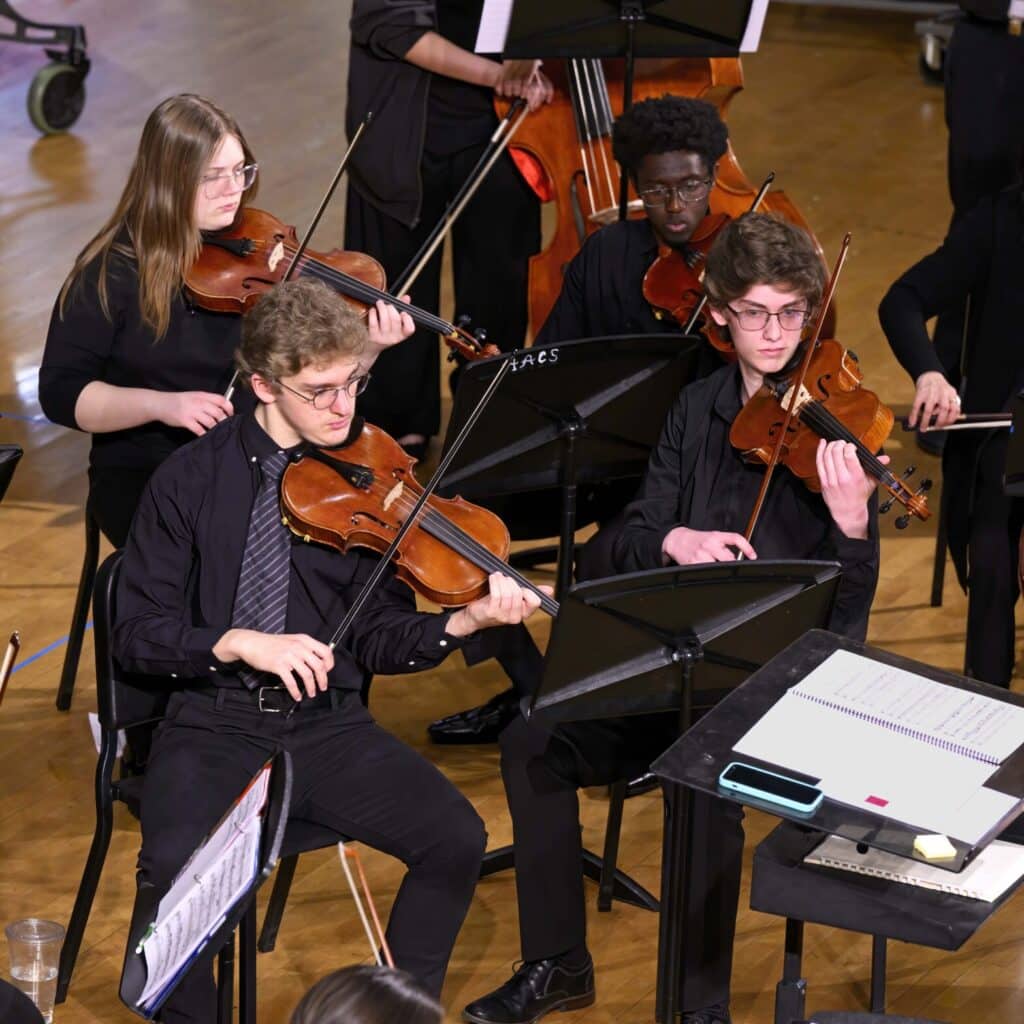
The Aries & Orion Youth Orchestra Winter Concert features a carefully planned program that shows off both technical skill and emotional depth in age-appropriate groups. Each work displays students’ musical growth and the Academy’s devotion to difficult repertoire that develops artistic maturity.
Orion Youth Orchestra — Advanced Ensemble
The Academy’s highest-level ensemble, the Orion Youth Orchestra, delivers symphonic repertoire with complicated frameworks, beautiful orchestration, and emotional depth.
Louise Farrenc — Overture No. 2 in E-flat Major, Op. 24
This lively opening starts the show off with a bang, giving it bright energy and a strong beat. Its classical clarity and Romantic expressiveness make a confident and interesting opening that gets the players and the audience ready for the deeper pieces later that night.
Franz Schubert — Symphony No. 4 in C minor, “Tragic”
Schubert’s Fourth Symphony combines classical styles with the feelings of the early Romantic era. This symphony, known as “Tragic” for its extreme contrasts and urgent themes, encourages students with its powerful thematic development, meticulous ensemble balance, and rich orchestral textures, improving orchestral technique and interpretive insight.
Pyotr Ilyich Tchaikovsky — Symphony No. 2 in C minor, Op. 17: Finale
The lively ending from Tchaikovsky’s Second Symphony makes for an exciting end to the evening. With its strong beats, full-orchestra writing, and big changes in volume, the composition encourages the group to play with fiery energy and accuracy. At the end of the show, it creates an exciting feeling of resolution.
Aries Youth Chamber Orchestra — Intermediate-Advanced Ensemble
The Aries Youth Chamber Orchestra follows with a contrasting set of works that focus on lyrical expression and a range of styles. This is great for helping both group cohesion and individual musical sensitivity grow.
Tchaikovsky — Swan Lake
Students perform a passage from one of the most popular dance scores ever written. Its beautiful melody and passionate line make it easier for the string section to play smoothly and achieve tonal balance.
Edward Elgar — Serenade for Strings, Op. 20: I.
Allegro Piacevole Elgar’s Serenade opens with warmth and elegance. Its beautiful lines make it hard for players to shape lyrical phrases and control dynamic details. It has rich string sounds and is great for chamber music.
John Rutter — Suite for Strings (selected movements)
Rutter’s Suite uses folk-inspired rhythms and melodies to give students a lot of expressive range and difference in style.
Samuel Barber — Adagio for Strings, Op. 11
Barber’s Adagio is a very important piece for string instruments. It invites deep emotional engagement and awareness to dynamic nuance, making it a powerful educational and artistic experience.
Peter Warlock — Capriol Suite
This energetic suite uses a range of different technical styles and spirited group playing to introduce Renaissance dance forms with bright and lively beats.
Solo Highlights & Recitals
In February, the Virtuoso Pathway recitals comprise violin solos, concertos, woodwind sonatas, and other virtuosic works, showcasing the Academy’s mentorship concept. The main event features symphonic repertoire.
The ASA Pedagogy — “The Virtuoso Pathway”
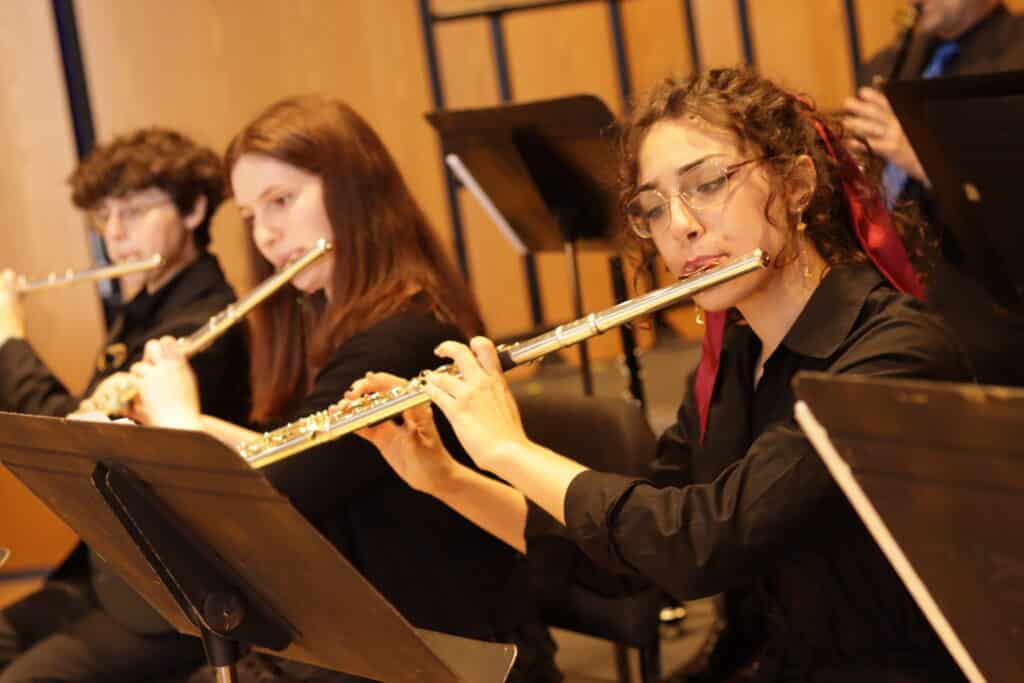
The Annapolis Symphony Academy (ASA) supports musical growth with a structured levels system, plenty of opportunities for guidance, and a tuition model that focuses on inclusivity. The Academy’s most complete musical education program, the Virtuoso Pathway, develops young musicians’ technique, artistry, and confidence.
The Four Pillars: A Structured Progression
ASA divides its ensembles into levels to help students progress from early ensemble playing to expert orchestral performance:
- Lyra Chamber Music Ensembles: These are beginner-level chamber groups that help students build basic band skills and learn how to make music with others.
- Aries Youth Chamber Orchestra: An intermediate to advanced group that improves musical skills and the ability to express a range of emotions through music.
- The Aquarius Wind Ensemble: This group focuses on wind instruments, helps members get to know the group’s music better, and builds ensemble harmony.
- Orion Youth Orchestra: The Academy’s highest-level orchestra, in which advanced students play full symphonic pieces and learn to lead their peers.
Musical progress, the placement of students in auditions, and advice from teachers all play a role in how students progress through the levels. This makes sure that each student is properly pushed and gets help with their learning.
The Side-by-Side Experience
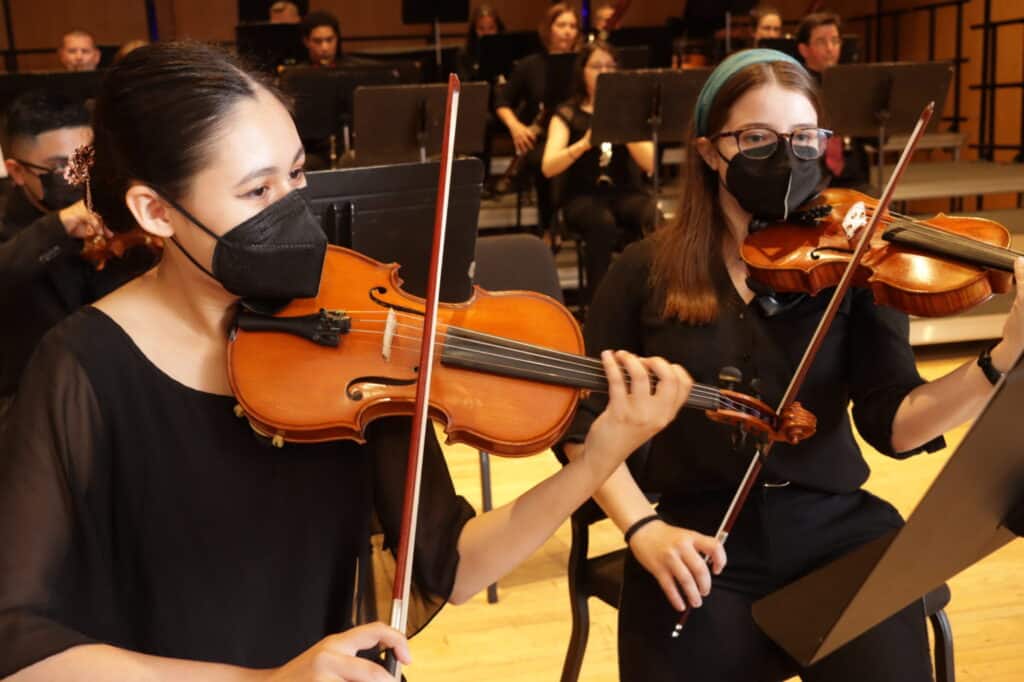
Mentorship with Annapolis Symphony Orchestra members is a hallmark of ASA’s curriculum. During rehearsals and concerts, ASO players sit with students in the ensemble sections, showing them how to play, use good technique, and communicate with the group.
Students can watch professional practices, receive context-based coaching, and gain confidence in large groups throughout this intensive event. Students play alongside seasoned pros in side-by-side performances, demonstrating the Academy’s commitment to high-level preparation.
Diversity, Inclusion, and Access
ASA strongly supports fairness and access in music education. Scholarships and need-based financial aid ensure talent, not income, determines stage presence. While auditions and membership in the group are based on talent, generous grants make it possible for anyone to participate.
The Academy supports its aim of delivering classical music to all young musicians in the community by encouraging diversity and inclusive musical training.
Venue Spotlight — Maryland Hall
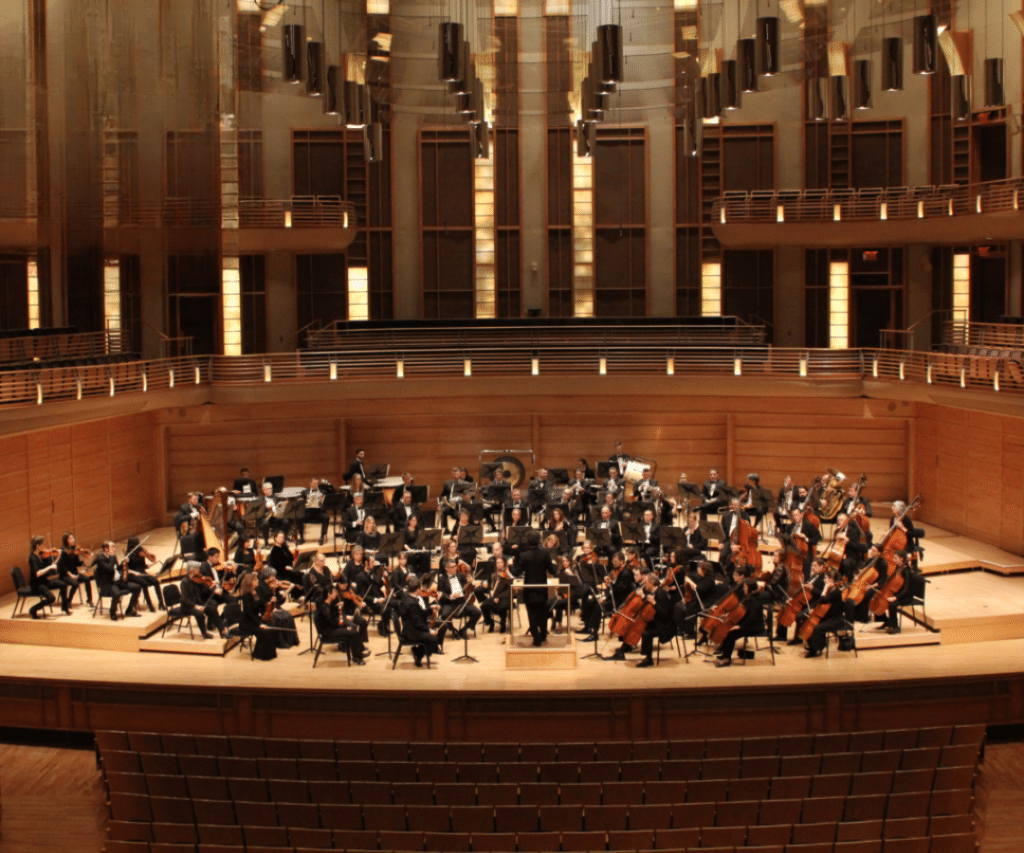
Maryland Hall for the Creative Arts is an important building in downtown Annapolis that provides an exciting space for the Academy’s winter concert and many other artistic events. The Hall has been a diverse arts center since it was founded in 1979 and moved into the old building of Annapolis High School. It brings together historic charm with a lively creative purpose. It is now a community center for visual, musical, and educational arts programs for people of all ages.
History & Purpose
Maryland Hall was first built to be a school. Remodeled as an arts center, it makes it easier for Anne Arundel County residents to experience the arts. It has hosted visual art galleries, performance venues, teaching studios, and longtime residents including the Annapolis Symphony Orchestra and Ballet Theatre of Maryland for decades.
Acoustics & Atmosphere
The 725-seat auditorium at the venue has warm, intimate acoustics that are great for orchestral music, chamber works, spoken events, and dance. Its design makes sure that sound projection and reverberation are both clear and balanced. This way, both students and experienced artists can connect with their audiences. Whether at a winter symphony or a solo concert, people like an environment that engages them and enhances the sound.
Tips for Attending Your First Recital
Going to a live recital, especially your first one, can be fun, but learning how to behave at a concert will help you and the people around you enjoy the show. These friendly and simple tips will work for both strangers and family members.
Arrive Early
Arrive 10 to 15 minutes early so you have time to find a place, read the program, and get comfortable before the event starts. Doors often open long before the show starts. This gives you time to get relaxed and look at the displays in the lobby.
When to Applaud
Applause can be unfamiliar for classical music and student concerts.
- Sonatas and symphonies sometimes have multiple acts, so people do not clap until the end. The printed program will have a list of moves for you to follow.
- For individual solo pieces, they are applauded right after they are done.
- After the whole concert or performance, a big round of applause is always nice!
Stay Present
Please turn off all phones, smartwatches, and other gadgets that make noise before the show starts. Performers and people nearby can still be distracted by quiet screens.
Support the Students
The “Meet the Artist” moment in the hallway after the events is one of the best parts. You can thank the artists, take pictures with them, and enjoy any snacks or drinks that are available. For young musicians, these encounters are very important, and they make everyone remember the experience.
Conclusion
The Annapolis Symphony Academy needs your help, and so does the future of the arts in our town. These winter concerts and recitals are meant to show off the hard work, skill, and dedication of young musicians who will become the next generation of performers and leaders. When you go to an event, it matters: it supports the arts and live music in Annapolis and gives students a boost. Bring a friend to enjoy the music, and do not forget the date!