


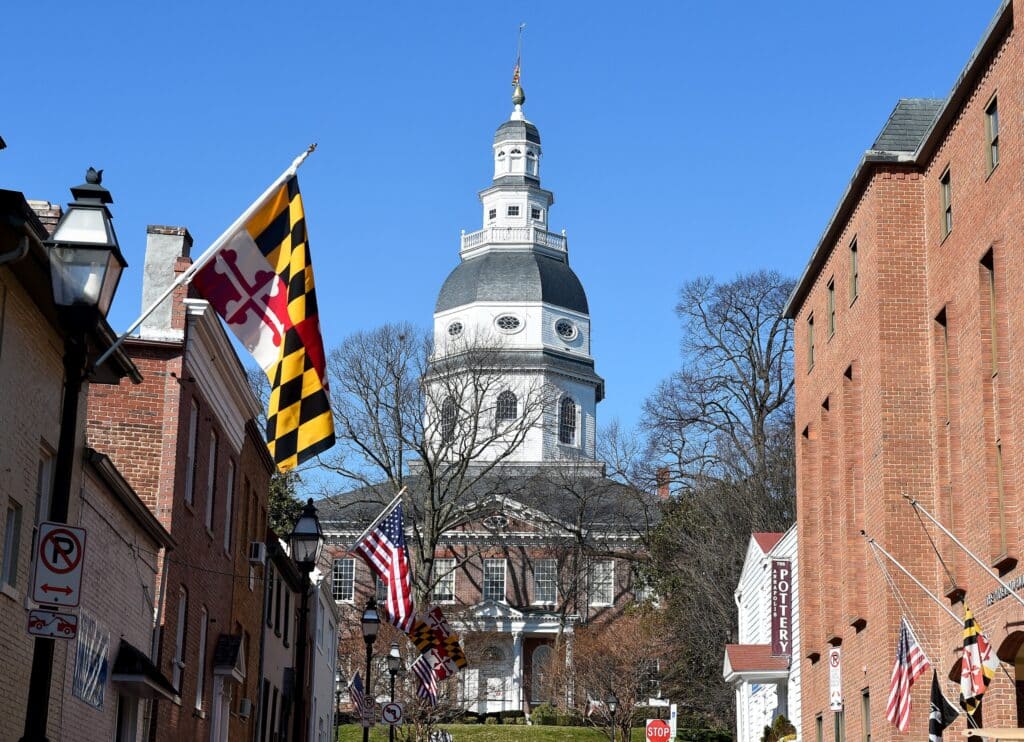
When Maryland’s 449th legislative session starts up in Annapolis on January 14, 2026, lawmakers will be going into one of the most important sessions in a long time. This session will see intense debate over fiscal policy and social priorities as the state faces deepening budget challenges, projection models suggest a $1.4 billion to $1.5 billion shortfall in the fiscal 2027 budget—and a political climate of competing priorities.
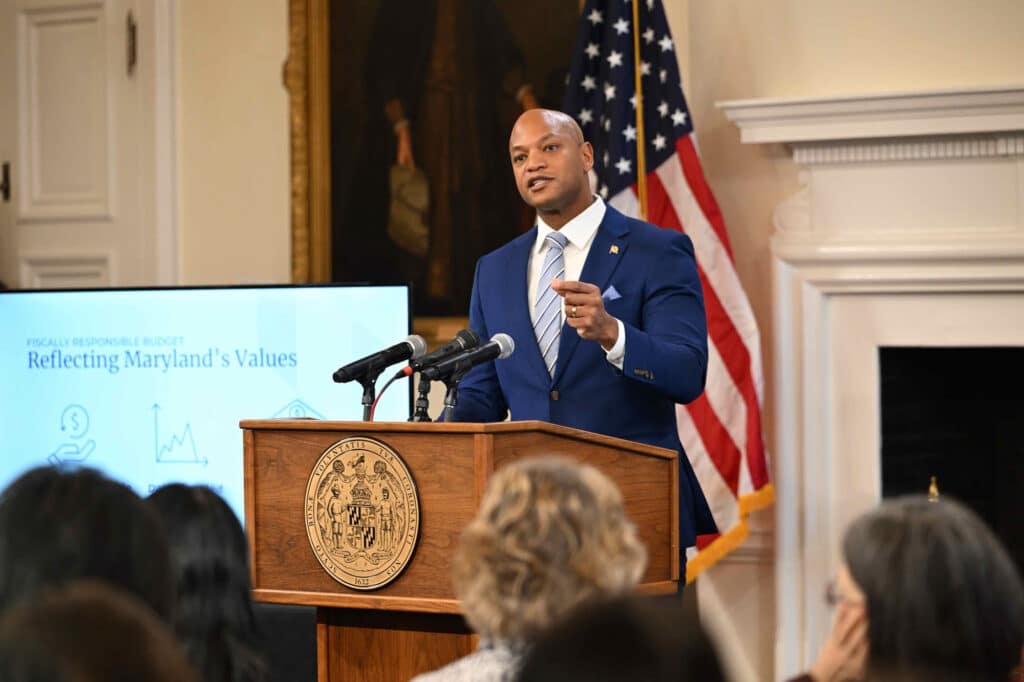
Maryland must reconcile high education, housing, and public safety goals with a tight budget and slower revenue growth under Governor Wes Moore. To close the gap, Moore has promised not to raise taxes across the board. This means lawmakers will have to make tough decisions.
Maryland’s policy orientation may change this year as fiscal limitations test the state’s willingness for investment and reform and Sine Die on April 13, 2026 will show whether Annapolis selected bold, restrained, or compromised governance.
As legislative debates unfold in the state capital, Annapolis will again draw attention for its vibrant local culture, historic dining spots like Zavros Place, and the many things to do in Annapolis that draw residents, visitors, and policymakers during the session.
The 2026 Legislative Calendar: Key Dates to Watch
The Maryland General Assembly’s regular session in 2026 follows the state’s usual 90-day plan, which is mandated by state law. The session is full of procedural steps that affect the legislative strategy and the results of the session.
Opening & Early Deadlines
- January 14, 2026 (Noon) — Session Convenes: In Annapolis, lawmakers officially start the 448th sitting of the General Assembly. This first day sets the scene for committee duties, bill introductions, and early discussions.
- Early Prefiling Deadlines (Nov 2025): Members must file bill requests and introduce them before the session begins. Pre-filing a bill has two deadlines: November 1 for requests and November 20, 2025 for introduction.
- January 21 — Budget Bill Introduced (Statutory Deadline): The Governor’s suggested budget needs to be officially presented at the beginning of the session, usually within the first week. This gives committees time to hold hearings and come up with suggestions.
Mid-Session Milestones
- February 13 — “Hopper” Closes: This is the last day that senators and delegates can file most bills to make them law. After this, there will be fewer new bills, so people will pay more attention to the ones that are already being talked about.
- March 23: Cross Over Day: This is the last chance for most laws to pass. For a bill to stay alive, it has to pass in the chamber where it was presented and “cross over” to the other chamber to be considered.
- April 6 — Target Budget Passage: Both chambers want to pass the state budget about three weeks before the session ends. This due date helps make sure there is enough time for debate and healing on the floor.
Ending the Session
April 13, 2026 — Sine Die Adjournment: On the ninetieth day, the General Assembly ends the regular session and the chance for final floor votes when it adjourns sine die, a Latin phrase meaning “without day.”
The Fiscal Tightrope: Budget and Taxation
Maryland lawmakers must face fiscal stress in the 2026 legislative session. After years of pandemic-era government support and record huge reserves, the state faces chronic budget imbalances as revenues fall short of spending obligations.
The Deficit Challenge: Structural Shortfalls and Budget Realities
Even though there have been attempts to close the gaps, Maryland’s economic outlook for the next budget year is still limited. The Department of Legislative Services’ latest report says that the general fund budget will have a $1.4 billion structural deficit in fiscal 2027. If lawmakers rely on reserves, there will also be similar-sized cash gaps.
This structural deficit, which is the difference between regular income and regular expenses, shows long-term patterns instead of a temporary problem. After strong federal pandemic aid and recent spikes in income, those cushions are quickly going away, and Maryland’s fiscal situation is returning to a more limited baseline.
Medicaid, education aid, and rising health-care and mental health expenditures cause spending rise. Without considerable additional money or savings, expected shortages might grow through the decade.
To avoid future deficits, lawmakers and fiscal experts have already suggested possible spending cuts and changes in priorities.
Tax Reform Proposals: “Fairness,” High Earners & Corporate Adjustments
Because there are still gaps, tax reform has come back to the legislative plan. The focus is on fairness and sustainability.
- Maryland’s tax code has altered in recent years. The modifications include extra top brackets for the wealthiest and deduction restrictions. These measures aim to promote progressivity and close structural disparities without burdening low- and middle-income families.
- Lawmakers are still arguing about tax changes that would affect businesses when it comes to combined reporting and the corporate tax base. One idea is to make rules for combined reporting that would make it less likely for companies to move their money out of Maryland. The goals are to increase revenue and broaden the corporate tax base.
Transportation Trust Fund (TTF): Fixing the Funding Model
The Transportation Trust Fund (TTF) is another important decision for the government to make about money. Fuel efficiency and the rise of electric and hybrid vehicles, which pay little or no fuel tax, have reduced Maryland’s per-inflation gas tax revenue.
To deal with this, lawmakers are looking at other ways to make money:
- Highway Use Fees and Mileage-Based User Fees (MBUF): A bill called HB1457 would charge electric, fuel-efficient, and alternative fuel cars annual highway fees and also give them the choice to pay a mileage-based fee instead. As gas tax receipts go down, revenues will come to the TTF to keep up with road work and bridge projects.
- Changes from Gas Tax: There is still a lot of debate about moving to a system that depends less on fuel consumption and more on real road usage. Supporters of this idea say it could provide a long-term stable base for transportation funding.
Key Issue: Education & The Blueprint for Maryland’s Future
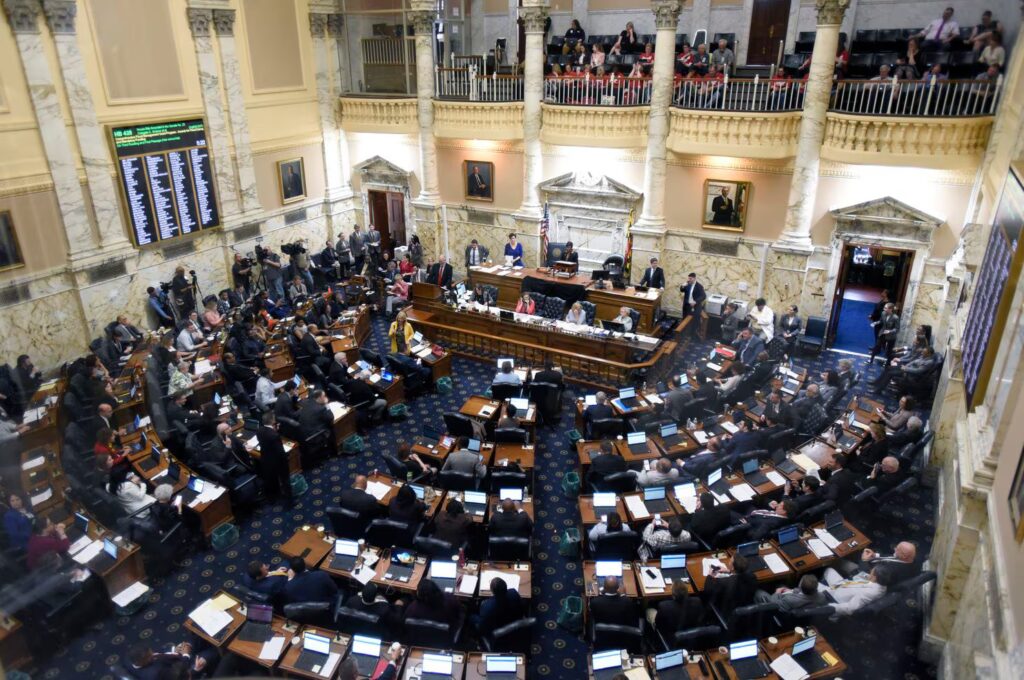
During the 2026 Maryland General Assembly session, one of the most carefully watched policy areas will be funding and reforming education.
A comprehensive, long-term education transformation passed in 2021, the Blueprint for Maryland’s Future aims to improve public schools, increase early learning, and address achievement disparities and inequities. It is a huge change in Maryland’s education system from preschool to college and jobs that happen only once every generation.
Implementation Stress: Local Budget Pressures
The Blueprint has increased spending by about $3.8 billion a year, but the costs of fully implementing it are still putting pressure on county and local school district budgets.
Some counties, especially those with tiny tax bases, struggle to meet staffing requirements (such minimum teacher salaries and lower pupil-to-teacher ratios) and support services without much local funding. These financial stress spots contribute to county budget imbalances. Health care and education costs are rising faster than government revenue in many locations.
County legislators, educators, and superintendents worry that state regulations and local financial obligations might strain resources, especially if federal recovery funds used to cover implementation costs are depleted.
The Debate: Flexibility vs. Fidelity
In 2026, a big question for lawmakers is whether they should give local areas more freedom in how they meet Blueprint standards or stick with the current deadlines and rules. Flexibility may save costs and allow districts to customize implementation without compromising educational goals, according to some advocates. Some others warn that lowering standards could hurt the Blueprint’s promise of fairness and consistent quality, which are core to its design.
The Accountability and AImplementation Board (AIB) is in charge of overseeing application and progress. They continue to suggest changes when necessary.
Early Childhood Education: A Strategic Investment
The Blueprint’s most important idea is still early childhood education. The law increases access to high-quality, full-day Pre-K for three- and four-year-olds who qualify.
This is based on the ideas of making sure kids are ready for school and helping them do well academically in the long run. It also improves childcare and job training for early childhood teachers. People see these investments as both education policy and a way to boost the economy by helping parents work and lowering overall social costs.
Energy and Environment: Data Centers & Climate Goals
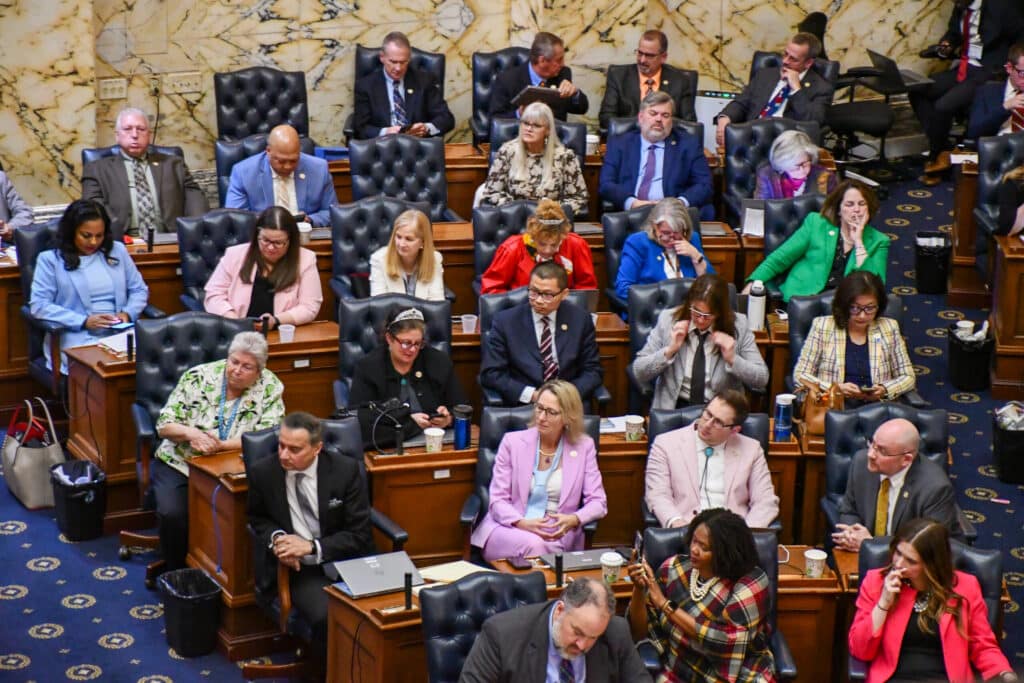
The fast growth of data centers and Maryland’s strong climate goals are putting more pressure on the state’s energy policy. When the 2026 General Assembly meets, politicians will have to figure out how to balance the needs of the economy with the needs of energy consumers and the need to decarbonize and make the grid more reliable.
The “Data Center” Dilemma: Power Demand & Consumer Costs
Maryland and other PJM Interconnection states are struggling to meet data center power demands, which enable cloud computing, AI, and digital services. PJM predicts that by 2030, the need for energy may go up by about 32 gigawatts, mostly because of data centers. This level of load growth has never been seen before, and it has major effects on the reliability of the grid and the price of energy.
Because of this, lawmakers and consumer groups have said that Maryland ratepayers are already feeling the effects in the form of higher costs, including higher prices for the capacity market and transmission costs linked to expected data center loads.
Maryland lawmakers are leading a multistate alliance to pressure PJM and federal regulators to guarantee that data centers pay their fair share for grid upgrades and do not saddle households and small businesses with infrastructure expenditures.
Policies that balance economic development, consumer safeguards, and reliability include requiring data centers to carry their own power capacity or face operational constraints during peak grid demand.
Climate Solutions Now Act: Progress Toward Net-Zero
Based on the 2022 Climate Solutions Now Act, Maryland’s climate plan requires the state to reduce greenhouse gas emissions by 60% by 2031 and reach net-zero by 2045.
This broad plan includes increasing clean energy sources like solar and offshore wind, making energy use more efficient, and switching to electric vehicles. It is still having an impact on the most important issues for lawmakers. In 2026, debates about long-term land use and infrastructure choices will be mostly about renewable energy targets and policies for decarbonization.
Energy Reliability & Cost Concerns
The two biggest worries are still the cost of electricity and the strength of the grid. PJM’s latest capacity auctions have had the highest prices ever, mostly because of data center demand. This makes people worry about the reliability of the system and the cost to consumers.
Maryland lawmakers are also considering grid modernization and utility reforms to protect customers and promote future renewable energy ambitions.
Social Justice & Public Safety
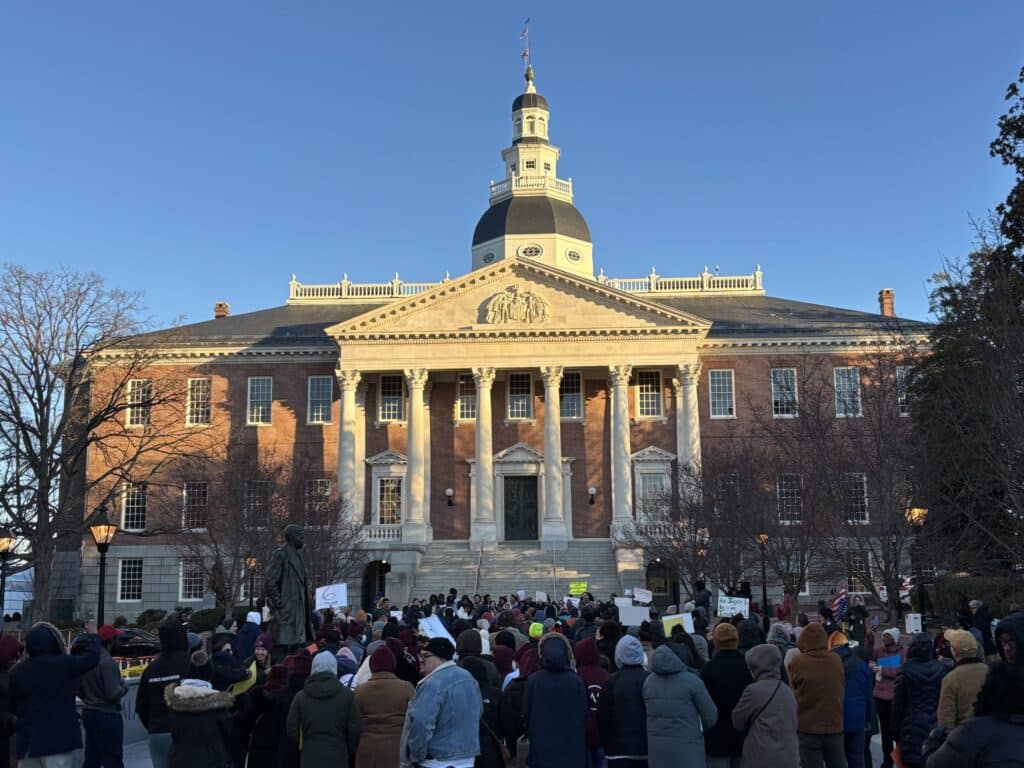
Building on recent high-profile debates, Maryland’s 2026 General Assembly will examine public safety and social justice problems. Key issues are changing the juvenile justice system, making immigration policy that works for the whole state, and protecting people from hate-motivated crime.
Juvenile Justice: Fine-Tuning Reform
In Maryland, efforts to change the system of youth justice have changed over time in different sessions of the legislature. State reforms in 2022 and 2024 narrowed automatic transfers to adult court and changed custody methods for youth offenders, but problems remain.
Critics say Maryland still fails to comply with the federal Juvenile Justice and Delinquency Prevention Act and fails to provide developmentally appropriate alternatives to jail. In response, a bipartisan workgroup and commission urged that all minor matters begin in juvenile court, with judicial discretion to move only the most serious cases to adult court, following national best practices.
In 2026, a number of lawmakers, including those who lead committees, plan to introduce a bill that follows these suggestions. The goal is to improve services, increase transparency, and lower the number of youths sent to detention.
Immigration: Limiting 287(g) Cooperation
Immigration enforcement has once again become a controversial topic. Local 287(g) deals let county police help the U.S. Federal removal duties are given to Immigration and Customs Enforcement (ICE), which immigrant rights groups and many Democratic lawmakers say hurts public safety and community trust.
Advocates are supporting proposals to limit local cooperation with federal immigration enforcement under 287(g) in 2026, stating that it will boost law enforcement engagement and safeguard immigrant families. Supporters, such as Del. Nicole Williams are working to pass this law after similar ones were put on hold in previous meetings.
Hate Crimes: Funding & Protections
As hate-driven violence has gotten a lot of attention across the country, the government of Maryland has made it a priority to give more help to areas that are at risk.
Gov. Wes Moore’s FY2027 budget continues $10 million in funding for nonprofit and faith-based organizations to improve security at community centers and houses of worship, building on 2025 advancements to protect congregants and visitors from hate crimes. This long-term funding is a sign of the larger commitment to community safety and resilience by both the legislature and the executive branch.
The Political Landscape: The 2026 Election Year
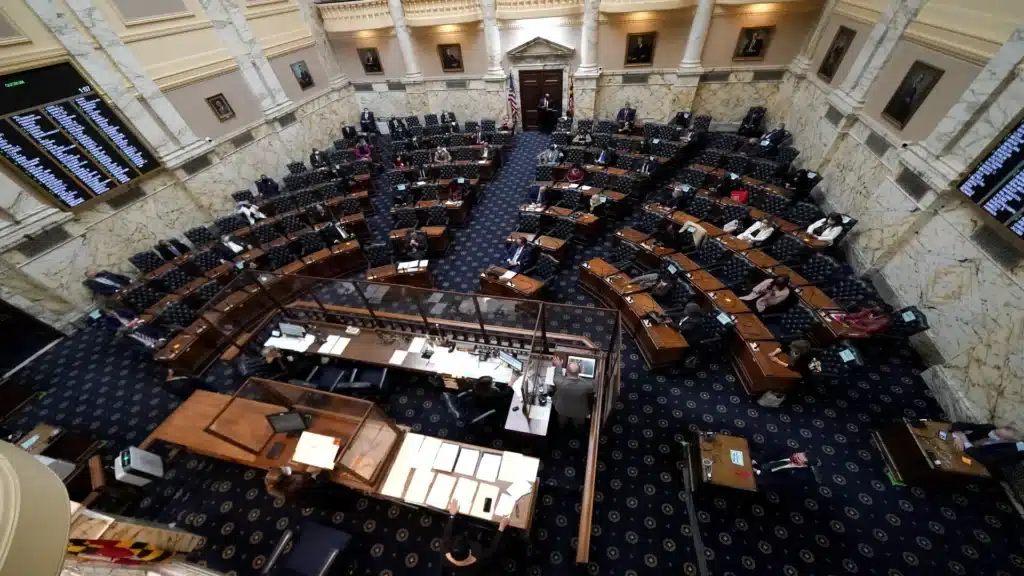
The upcoming election in 2026 is very important to this legislative session and affects how politicians make difficult policy choices. The 47 Senate seats and 141 House of Delegates seats in Maryland’s General Assembly are up for election in November 2026, so legislators are under pressure not to propose controversial or “risky” tax hikes or policy changes that could become campaign fodder.
Incumbent-friendly cautiousness prevents big fiscal actions in election years, and lawmakers avoid legislation that opponents could depict as out of touch with voters’ desires.
Along with the elections for the state’s legislature, all eight of Maryland’s U.S. House seats will be on the ballot. This includes the 1st Congressional District, which has historically leaned Republican and is currently represented by Rep. Andy Harris.
The broader midterm environment and national trends could affect turnout and messaging. This might lead candidates to focus on local problems and small changes instead of big new taxes or risky budget proposals.
Redistricting Redux: Congressional Maps Under Scrutiny
In the meantime, relocation in the middle of the cycle has come back as a hot issue. Gov. Wes Moore’s Redistricting Advisory Commission suggested redrawing Maryland’s congressional map before the 2026 elections to make its lone Republican-held seat more competitive or Democratic.
Supporters say that redistricting could fight the national GOP’s attempts to change the U.S. House maps support them, but people against them (like Bill Ferguson, President of the Maryland Senate) say that if the state is seen as seeking partisan redistricting, there could be legal uncertainty, political risk, and backlash.
Conclusion
During the 2026 Maryland General Assembly session, lawmakers will have to focus on protecting the progress that has already been made on climate, public safety, and education.
This will have to be done while dealing with tight funds and an election year, which makes it harder to pass big new ideas. With an expected budget gap and all 188 legislative seats up for election in November 2026, lawmakers will probably prefer small changes to big tax increases or sweeping policy changes.
To Stay Informed & Get Involved
- You can watch bills by number, sponsor, subject, or status on the Maryland General Assembly website, which also shows live updates on what the legislature is doing.
- Make an account called “My MGA” so you can follow and tag certain bills as the session goes on.
- Let your Senators and Delegates know how you feel about problems and proposed laws. You can find contact information and details about which district they represent on the MGA website.
Early and continuous engagement can help you track community decisions and constructively participate in Maryland’s legislative process.