


The Annapolis Maritime Museum is a hidden gem that brings the maritime history of the Chesapeake Bay to life. Whether you’re a local or just visiting, there’s something for everyone to enjoy at this waterfront museum. From exploring fascinating exhibits to taking part in fun, hands-on activities, the museum offers a unique way to learn about the region’s rich maritime heritage. This guide highlights the top things to do at the Annapolis Maritime Museum, making sure your visit is both enjoyable and educational.
Introduction to the Annapolis Maritime Museum
The Annapolis Maritime Museum offers visitors a captivating glimpse into the maritime heritage of Maryland’s Chesapeake Bay. Located in the heart of Annapolis, this museum highlights the vital role the bay has played in shaping the local community. Whether you’re a history enthusiast, a nature lover, or simply looking for a fun and educational experience, the museum offers something for everyone.
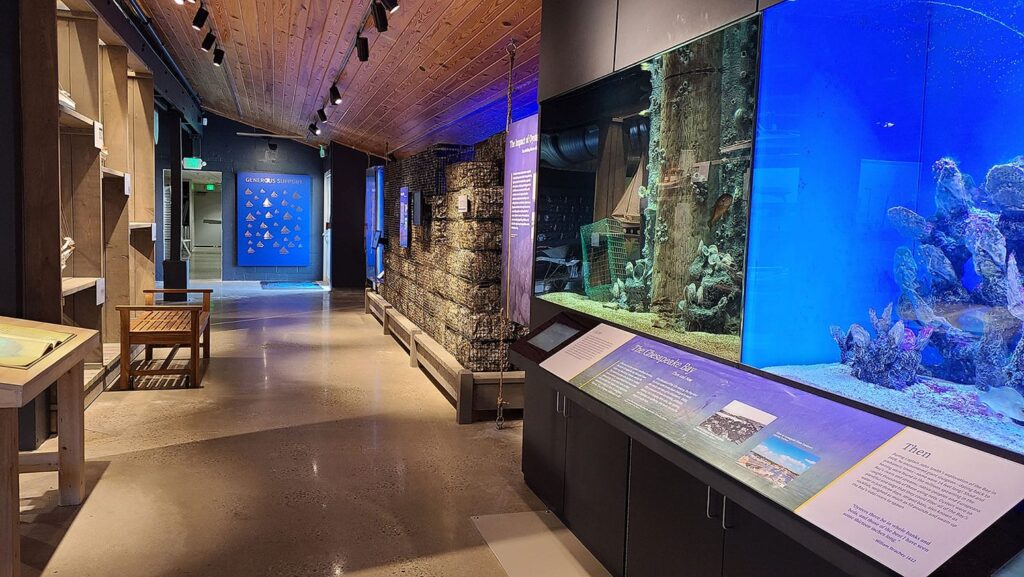
The museum is housed in a historic building that was once the bustling headquarters of the Annapolis Packing Company. This location played a key part in the seafood industry, processing fish and crabs caught in the bay. Today, the museum preserves this rich history, offering exhibits and experiences that take you through the evolution of the Chesapeake Bay area.
At the Annapolis Maritime Museum, visitors can explore interactive exhibits that showcase the connection between the bay’s environment and the people who live and work there.
From the watermen who fish the bay’s waters to the native wildlife that call it home, the museum tells the stories that are central to this iconic location.
Brief Overview of the Museum’s History and Significance
Founded in 1990, the Annapolis Maritime Museum aims to protect and share the Chesapeake Bay’s rich maritime history. Over the years, it has become a key cultural landmark in Annapolis.
The museum not only preserves the area’s history but also engages the community through educational programs, special events, and conservation efforts aimed at maintaining the health of the bay.
The museum’s history is closely tied to Annapolis’s development as a port town. The waterfront was central to the city’s economy, with the bay serving as a key trade route for seafood and other goods. Many early settlers relied on the bay’s resources for their livelihood, and the museum honors the stories of those who worked on the water.
Today, the museum’s impact goes beyond preserving history. It promotes environmental stewardship and educates the public about the bay’s ecosystems. Its programs focus on water quality, marine life preservation, and sustainable practices. Visiting the Annapolis Maritime Museum provides an opportunity to learn about the past while gaining insight into efforts to protect and restore the bay for future generations.
The museum’s significance also extends to its role in the broader cultural landscape of Annapolis. It serves as an important space for both locals and tourists to connect with the area’s maritime identity. Whether you’re walking through its exhibits or participating in a hands-on workshop, the Annapolis Maritime Museum brings to life the history and culture of one of the most unique regions in the United States.
A Look at the Key Exhibits and Collections
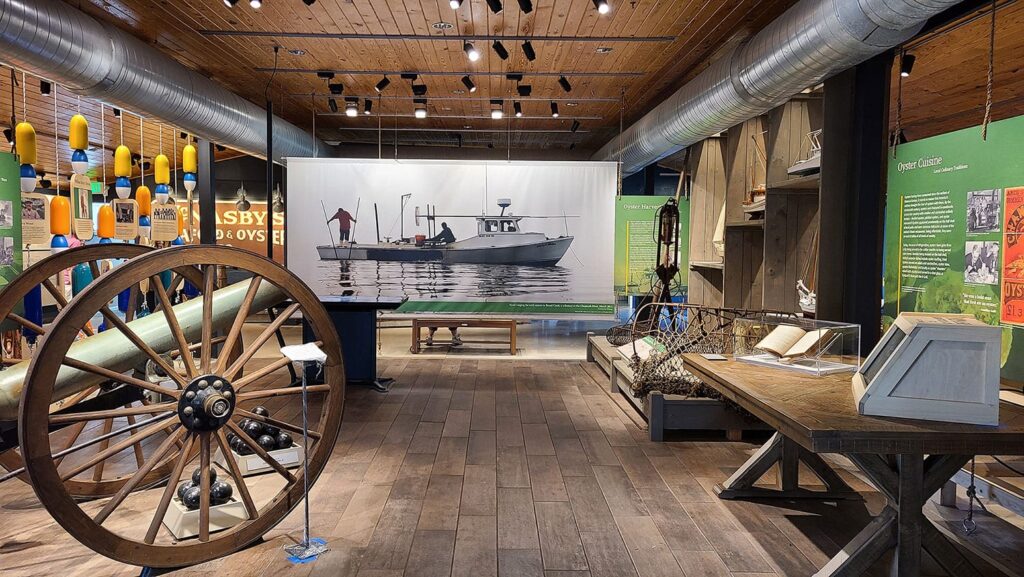
The museum is home to several fascinating collections that bring the history of the Chesapeake Bay to life. One of the standout exhibits is the “Watermen’s Museum,” which dives into the lives of the men and women who have worked on the Bay for centuries.
This exhibit features historical tools, photographs, and personal stories that offer a glimpse into the daily life of watermen, highlighting the hardships and rewards of their trade.
Another important collection is the museum’s ship model exhibit. These carefully crafted models represent the various vessels that have sailed the Chesapeake Bay throughout history. From early wooden boats to modern-day ships, the models showcase the advancements in shipbuilding techniques and the importance of maritime transport in the region’s development.
The museum also has a collection of historical documents and artifacts that tell the story of the Bay’s role in shaping the local economy and culture. These items provide valuable context for understanding how the region’s maritime history has evolved over time.
Focus on Chesapeake Bay’s Maritime History
The museum’s interactive exhibits, designed specifically for children, are one of its best features. These exhibits encourage kids to touch, explore, and learn through play. They can discover marine life, the Chesapeake Bay ecosystem, and the history of watercraft in an engaging, easy-to-understand way. Kids also have the opportunity to create their own boat designs or practice using tools once used by watermen, giving them a deeper connection to the area’s history.
One of the highlights of the museum is its focus on the environmental challenges facing the Bay. Exhibits on pollution, conservation efforts, and the impact of climate change help visitors understand the current state of the Bay and the importance of preserving this vital waterway.
By learning about the challenges the Bay faces, visitors can appreciate the ongoing efforts to protect and restore the Chesapeake Bay for future generations.
Overall, the museum’s exhibits provide a well-rounded experience for visitors, combining history, culture, and science to create a comprehensive picture of the Chesapeake Bay’s maritime heritage.
Whether you’re a local or a visitor, the museum’s collection offers a unique chance to connect with the past and understand the importance of this iconic waterway.
Take a Guided Tour of the Museum
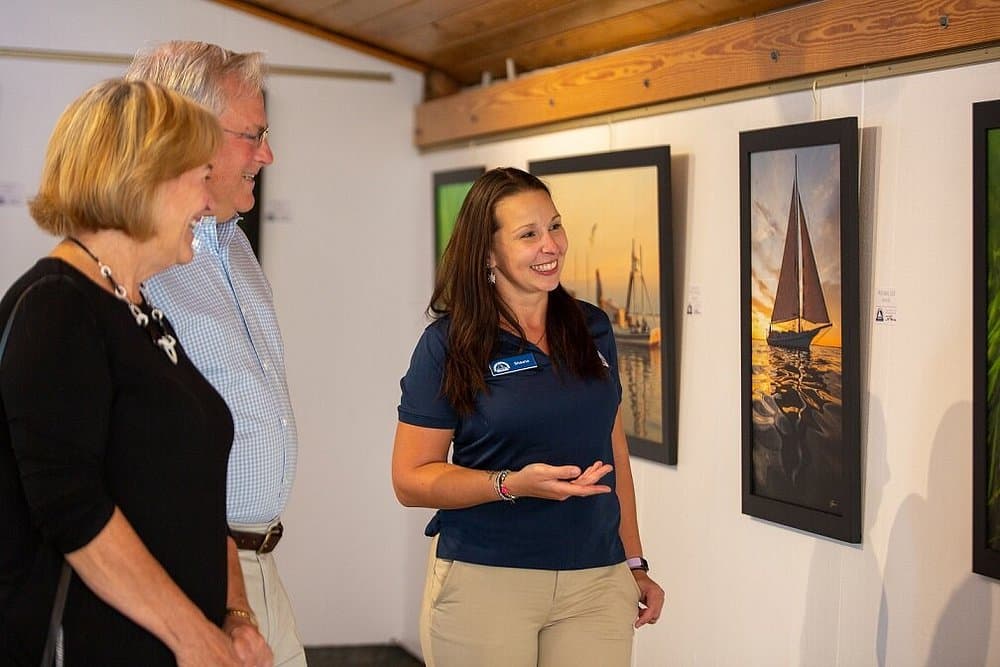
A guided tour at the Annapolis Maritime Museum offers a fantastic way to learn about the history of the Chesapeake Bay and its maritime heritage. With expert guides leading the way, you’ll gain in-depth knowledge that enriches the experience. The museum provides various guided tours, allowing visitors to explore the exhibits, collections, and outdoor spaces with a knowledgeable expert who offers context and interesting facts about the area’s history.
The museum’s guides are passionate about local history and culture, bringing it to life with their insights. Well-versed in the stories of the Bay and its people, they offer a deeper understanding of how the waterway shaped the region. These experts can answer questions and share details you might miss when exploring on your own.
One of the best aspects of taking a guided tour is that you don’t have to worry about missing important exhibits or information. The guides highlight key pieces of history and explain the significance of each exhibit in an easy-to-understand way. This ensures that you leave the museum with a solid grasp of the Chesapeake Bay’s maritime history.
Explore the Collection of Boats and Ships on Display
The museum’s collection of watercraft spans centuries, offering a fascinating look at how boat design evolved over time. From small rowboats to large schooners, these vessels were built to meet the needs of a growing maritime economy. Visitors can walk through the museum’s waterfront exhibit area, where several historic ships are docked. Some boats remain in their original form, while others have been carefully restored to reflect their historical appearance.
You’ll also find detailed exhibits that explain the construction and use of each type of vessel. There are photos, maps, and artifacts on display that provide additional context about how each boat fits into the broader story of the Bay’s maritime economy. Learning about the tools and techniques used to build these boats will give you a greater appreciation for the skills required by the shipbuilders of the past.
Visit the Watermen’s Wharf and Waterfront
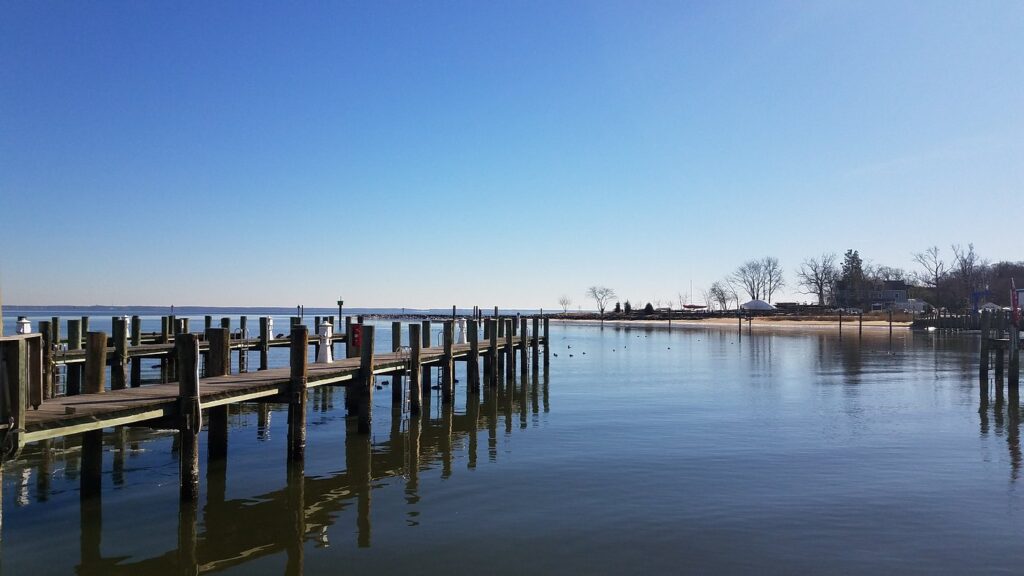
The Watermen’s Wharf at the Annapolis Maritime Museum is a must-see destination that connects visitors to the rich maritime culture of the Chesapeake Bay. This bustling waterfront area offers a glimpse into the traditional lifestyle of the watermen who have long worked the Bay.
The Wharf itself is a historic site, and visiting it allows you to experience firsthand the importance of the Bay to the local community.
At the Wharf, you’ll find a variety of sights and activities that bring the area’s maritime heritage to life. The dock is lined with historic boats and vessels, offering a tangible connection to the past. You might even catch a glimpse of local watermen at work, as the Wharf still serves as an active hub for the Bay’s fishing and crabbing industries.
The sights and sounds of the waterfront create an authentic experience that transports visitors to the heart of the Bay’s history.
The location also features interactive exhibits that allow you to learn more about the types of boats used on the Bay, the tools of the trade, and the lives of those who depend on the water. These exhibits complement the museum’s indoor collections, offering a complete picture of the region’s maritime past.
Enjoy Hands-On Activities for Families and Kids
The Annapolis Maritime Museum is a great place for families, especially with young kids. It offers a variety of interactive exhibits and hands-on activities that make learning about maritime history fun and exciting. Whether your child is interested in boats, animals, or the environment, something here will spark their curiosity.
One of the best features of the museum is its interactive exhibits designed specifically for children. These exhibits allow kids to touch, explore, and learn through play. They can discover marine life, the Chesapeake Bay ecosystem, and the history of watercraft in an engaging and easy-to-understand way. Kids can try creating their own boat designs or practice using tools once used by watermen, giving them a deeper connection to the area’s history.
There are also outdoor activities where kids can enjoy the waterfront. They can take part in fun, educational games that teach them about the Bay’s wildlife and how the water affects local ecosystems. It’s a perfect way for children to engage with nature and learn about the importance of preserving it. The museum’s outdoor spaces often feature hands-on programs where families can interact with real objects like fishing nets, shells, and even small boats.
Fun Educational Programs for Families
The Annapolis Maritime Museum offers educational programs that cater to families, making it an ideal destination for a day of learning. These programs often include guided tours, where families can explore the museum’s exhibits together while learning about the Bay’s history and wildlife. Additionally, the programs are led by experienced educators who make complex topics easy to understand for people of all ages.
Moreover, the museum regularly holds family-friendly workshops and events, giving families the opportunity to engage in activities together. For example, hands-on programs allow families to learn about marine biology, water conservation, and the challenges faced by the Chesapeake Bay. These programs not only help families understand the importance of preserving the Bay and its ecosystem but also make learning fun.
Furthermore, participating in a boat-building workshop or watching a live demonstration about local wildlife creates a memorable experience for families to enjoy together. It’s a great opportunity to bond, learn, and appreciate the environment in a fun, interactive way.
Ultimately, the museum’s hands-on activities make learning about the Chesapeake Bay’s maritime history exciting and accessible for all ages. By combining education with play, families can connect with the Bay in a meaningful and enjoyable way.
Conclusion: Why the Annapolis Maritime Museum Should Be on Your Bucket List
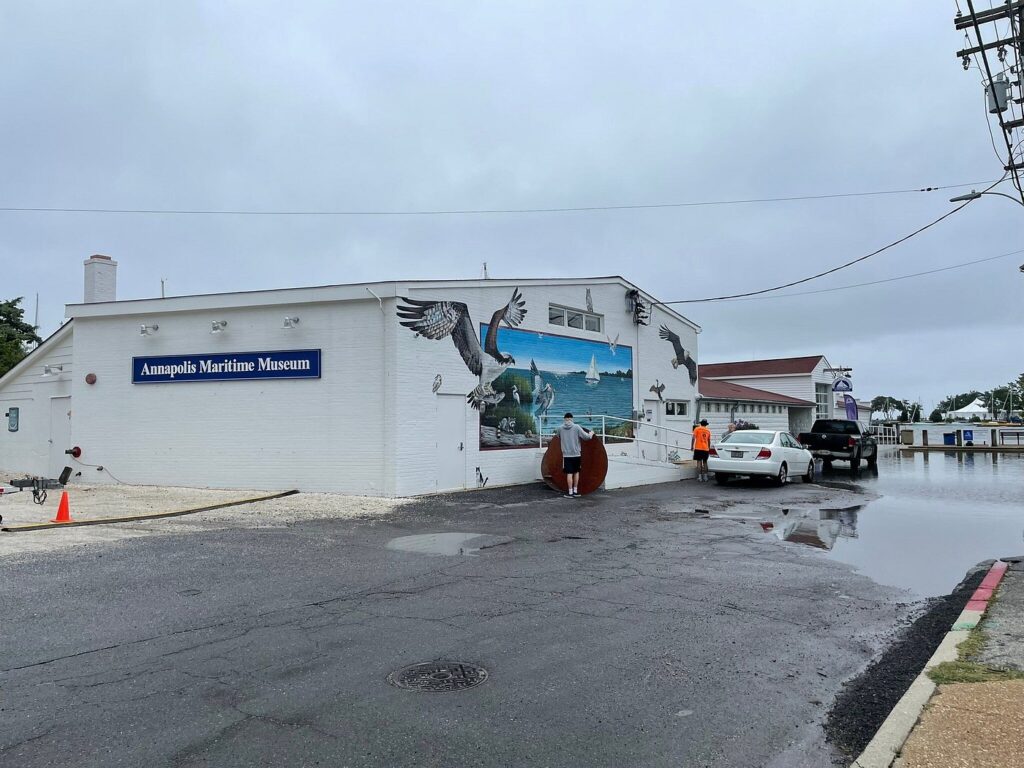
Anyone interested in the Chesapeake Bay’s history, wildlife, and environmental conservation should visit the Annapolis Maritime Museum. From exploring historic watercraft to engaging in educational activities, the museum offers something for everyone. Its dedication to preserving the Bay’s unique ecosystem through educational programs and local conservation initiatives makes it an even more compelling destination.
Whether you’re a local or a visitor, the Annapolis Maritime Museum provides a deeper connection to the region’s natural and cultural heritage, making it a valuable experience for all.