
The cost of living in Maryland is same as the national average. Housing is 2% lower than the national average, while utilities are 10% higher.
So, you’re thinking about moving to Maryland? It’s easy to see why. The state, nicknamed the “Old Line State,” has it all—bustling cities, beautiful coastlines, and cozy suburbs. With its strong economy and close proximity to Washington, D.C., it’s a hotspot for professionals and families looking for a great quality of life.

But let’s talk about the big question on everyone’s mind: what’s the actual cost of living in Maryland? Before you start packing your bags, you need to know what to expect financially. This guide will give you the real scoop on the average cost of living in Maryland, breaking down everything from housing and utilities to gas and groceries so you can figure out if it’s the right fit for your budget.
How Maryland’s Cost of Living Compares to the National Average
Let’s get right to it: the cost of living in Maryland is definitely higher than the national average. You can expect to spend anywhere from 10% to 20% more than you would in a typical U.S. state. Why the high price tag? It mostly comes down to housing and transportation, which are some of the priciest in the country. While things like groceries and utilities are a bit closer to what you’d see elsewhere, the overall Maryland cost of living means you’ll need a bigger budget to live comfortably here.
What Exactly Is a Cost of Living Calculator and How Does It Work?
You’ve probably seen a “cost of living calculator” online. Think of it as a financial translator. It takes your current salary and lifestyle in one city and shows you how much you’d need to earn to live the same way in another. It works by looking at everyday expenses like rent, food, and healthcare. These tools use an index where the national average is 100. A city with a score over 100 is more expensive, and a score below 100 is cheaper. Spoiler alert: Maryland’s score is always well above 100.
Where Does Maryland Cost of Living Data Come From?
This data isn’t just pulled out of thin air. It comes from major players like the U.S. Bureau of Labor Statistics and the Census Bureau, who track what people are spending their money on. On top of that, private research groups dig into the nitty-gritty, collecting prices on specific items all over the country to figure out how different cities compare.
A Note on Our Data and Estimates
To provide the most accurate picture, this guide uses the latest available data to create realistic estimates for 2025. You’ll notice we use ranges (“$170 to $200”) and cautious language (“around,” “can climb higher”). This is a deliberate choice. The cost of living is dynamic and can change quickly. By using realistic ranges, we ensure this guide remains a trustworthy and “evergreen” resource that will be helpful for a longer period, even as exact prices fluctuate.
Is Maryland Expensive to Live In? Key Insights Explained
So, what’s the final verdict? For most people wondering, “is it expensive to live in Maryland?“, the answer is a straightforward yes. The good news is that the state also has some of the highest median incomes in the country, which definitely helps balance things out. But there’s no getting around the fact that you’ll be spending more here. The real question is, “how much does it cost to live in Maryland?” That all depends on your lifestyle, your family size, and, most importantly, where you decide to put down roots.
5 Things You Should Know About Living Costs in Maryland
- Your Zip Code is Everything. The cost of living in a D.C. suburb is worlds apart from the quieter, more affordable life in Western Maryland.
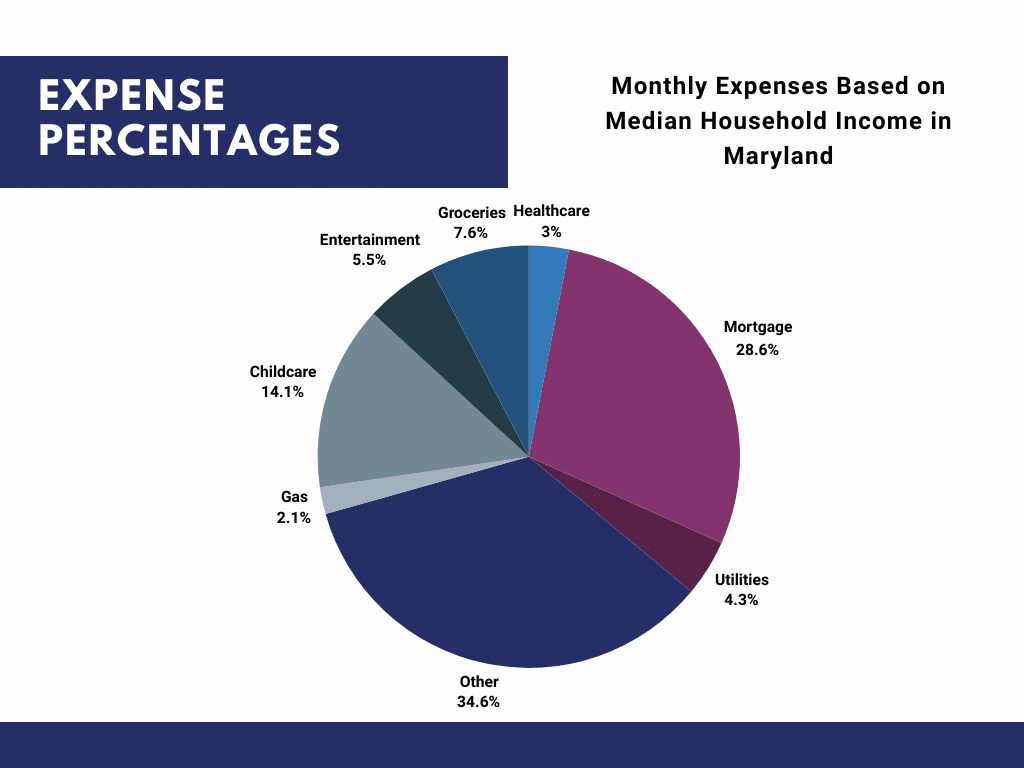
- Housing is the Big One. Get ready to dedicate a good chunk of your paycheck to your mortgage or rent. It’s the biggest expense by a long shot.
- Higher Incomes Are the Norm. That high cost of living is supported by a powerful job market and some of the highest median household incomes in the nation.
- Don’t Forget About Taxes. Maryland has both a state income tax and property taxes that are a bit steeper than the national average.
- You’re Paying for a Great Lifestyle. That extra cost gets you access to top-tier schools, amazing job opportunities, and endless things to do.
Housing Costs in Maryland: Renting vs. Buying
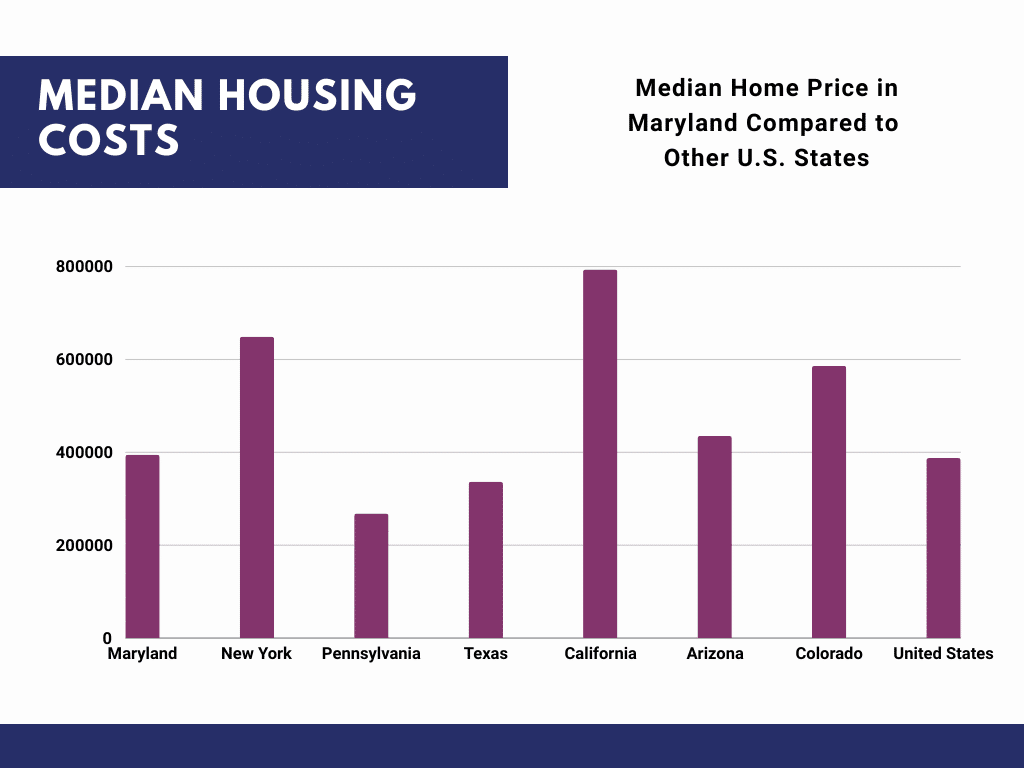
Housing is going to be your biggest monthly bill, hands down. As we look at trends for late 2025, the median home price in Maryland is sitting well above $400,000, which is way higher than the national median. If you’re looking at popular spots like Montgomery or Howard counties, that number can climb even higher.
Renting isn’t cheap either. The average rent for an apartment is around $1,800 a month, and you can easily expect to pay over $2,200 for a two-bedroom in a sought-after neighborhood.
As Maryland’s state capital, Annapolis offers a beautiful, historic place to live. People often wonder, “How safe is living in Annapolis, MD?” While some areas have higher crime rates, many of its residential neighborhoods are known for being quiet and safe, which keeps housing demand high. Navigating the unique Annapolis real estate market often means turning to local experts for advice. For instance, folks might look up property management groups like Zavros Place or Zavros Property to find rentals in the most desirable communities, showing just how much local factors can shape your costs.
Average Utility Bills in Maryland: What to Expect
Your monthly cost of living in Maryland for utilities—think electricity, heat, A/C, and water—will probably be around $170 to $200 for an average apartment. It’s a bit over the national average because the weather here means you’ll be cranking both the heat in the winter and the air conditioning in the summer.
Grocery and Food Prices in Maryland Compared to the U.S.
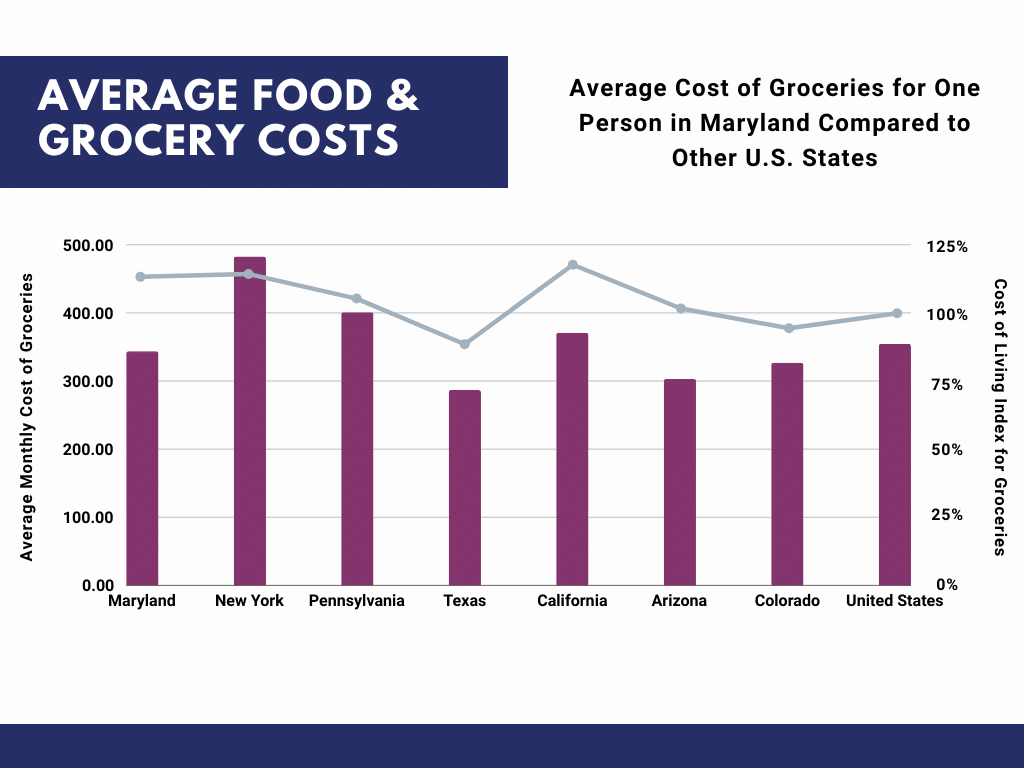
When it comes to your grocery bill, Maryland is only a little more expensive than the rest of the U.S., about 5-7% higher. If you’re single, you can plan on spending around $350-$450 a month on groceries. For a family of four, that budget will likely be closer to $1,200.
Transportation Expenses in Maryland: Public Transit and Driving Costs
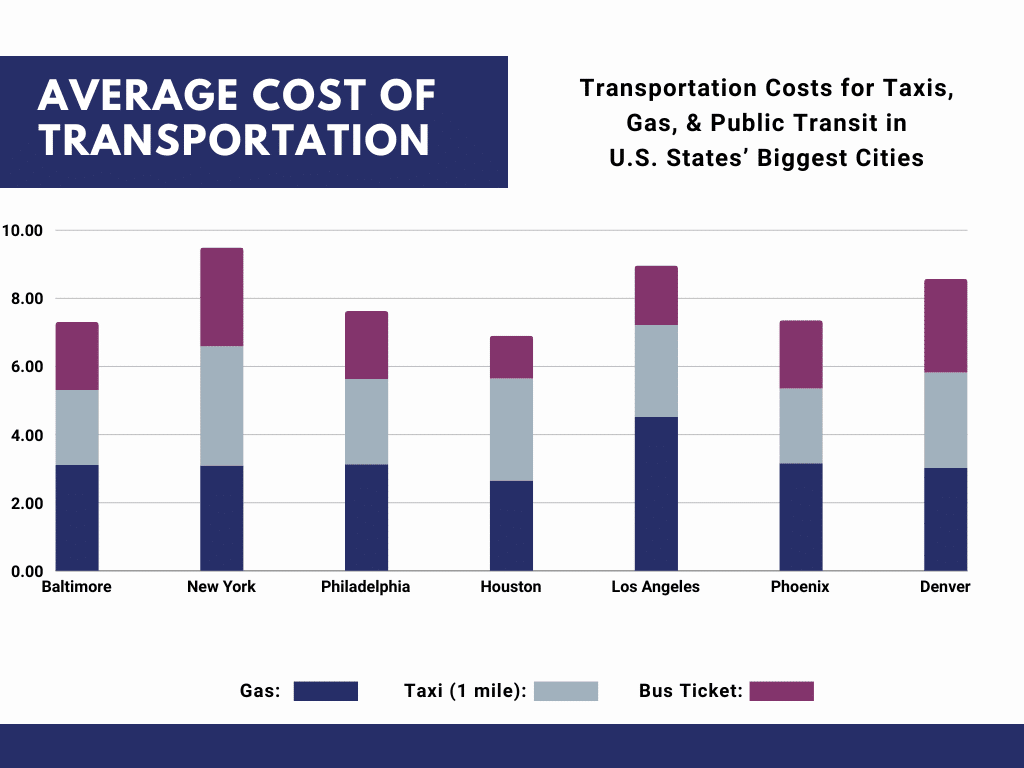
With so many people commuting, especially around the Baltimore-Washington area, transportation can really add up. Gas prices and car insurance are both a little higher than average. If you’re a driver, you should probably budget a few hundred dollars a month just for transportation. While bigger cities have some great public transit options, you’ll likely need a car to get around most of the state easily.
Healthcare and Childcare Costs in Maryland Explained
Healthcare costs in Maryland are pretty much on par with the rest of the country. With a decent insurance plan, you can expect to pay a few hundred dollars a month for your share.
Childcare, however, is a whole different story. It’s a huge expense here. The average annual cost for an infant in a daycare center is over $15,000, making Maryland one of the most expensive states for childcare in the U.S..
Entertainment and Leisure Costs Across Maryland
From grabbing dinner in Baltimore’s Inner Harbor to enjoying a weekend on the Chesapeake Bay, there’s always something to do in Maryland. A nice dinner out for two will probably run you between $70 and $100, while tickets to concerts and sporting events are priced similarly to other major cities.

Calculate and Estimate Your Cost of Living in Maryland
So, how expensive is it to live in Maryland for you personally? To give you a rough idea, here’s a sample monthly budget for a single person living a pretty average lifestyle:
- Housing (1-Bedroom Rent): $1,700
- Utilities: $180
- Groceries: $400
- Transportation (Car, Insurance, Gas): $500
- Healthcare: $350
- Personal & Fun: $400
That brings the average cost of living in Maryland for a single person to around $3,530 a month after taxes. Of course, this number can go up or down depending on your spending habits, but it’s a solid starting point for figuring out what you’ll need to make to live comfortably in the Old Line State.